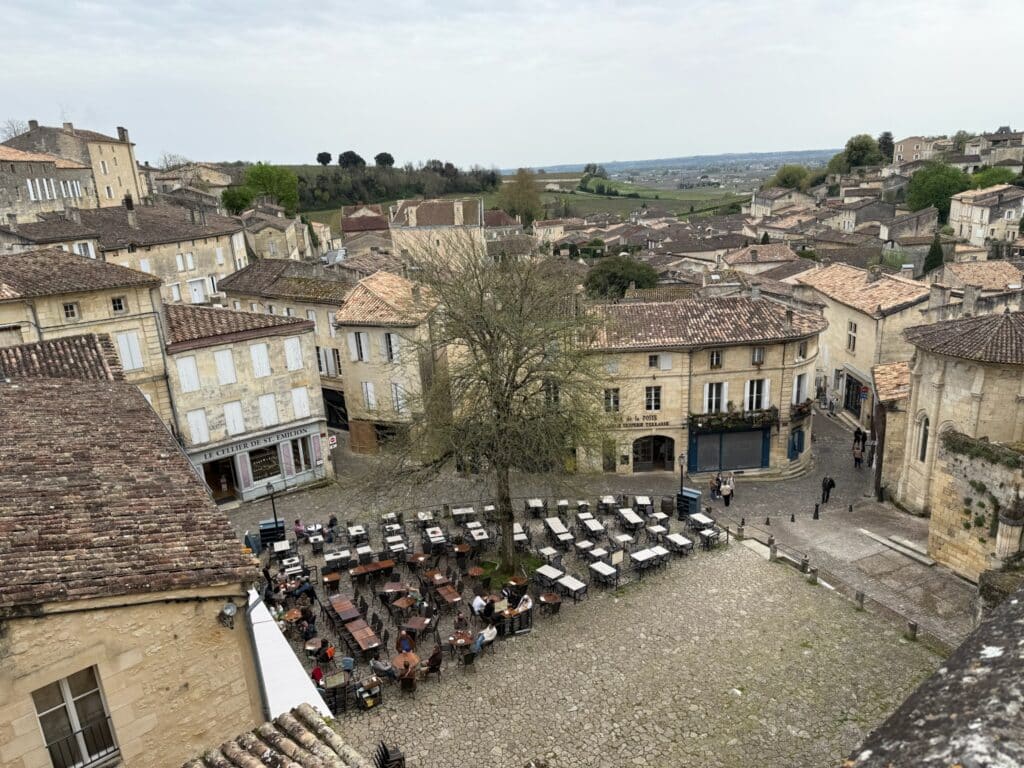
It’s been a bit quiet here for a while, but I’m back with some news from France—more specifically, from the Bordeaux region. Bordeaux is typically associated with grand châteaux with centuries-old heritage. However, it’s also possible to find quite intimate places here, more reminiscent of the modern world of wine. Grandparents started a business in the countryside, while their children and grandchildren headed off into the big world, seeking opportunities in cities and global corporations. But after a time, many of the younger generations started to slowly return to their family steads and look for a different kind of satisfaction in life, the one that only countryside and simple work of a farmer and producer can provide…
This is exactly the kind of story we find at Château Mauvinon, located in the Saint-Émilion appellation of Bordeaux. Caroline, who gave us a tour of the winery, is the granddaughter of the founders and has now been living back in the family home for eight years, after spending some time in Paris. I don’t ask for details about her Parisian life, but it’s clear that it’s in the past now and she is once again deeply rooted in her hometown.“I have lunch with my siblings and my mother every day; my kids spend time with their cousins all the time. Not many families are that lucky anymore.” – Caroline tells us between the conversations about the challenges of making wine following organic farming principles.
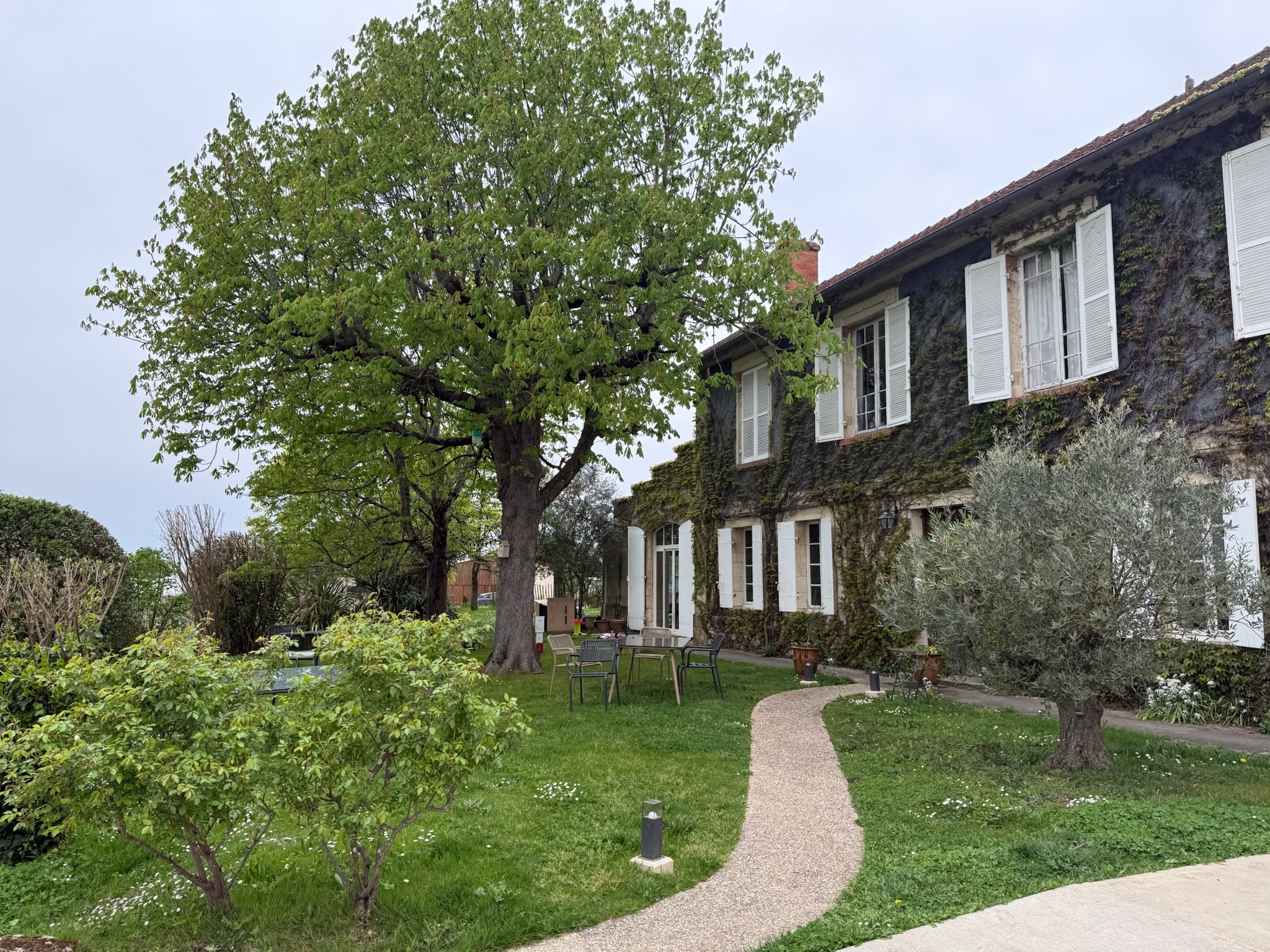
And those challenges require much effort every single day. Battling insects, animals, and weeds is definitely more difficult without chemical interventions. The latest green experiment involves three New Zealand piglets. They are 100% vegetarian, and their task is to roam between the vineyard rows and eat everything that interferes with the vines. Theoretically, the way the pigs are built won’t allow them to eat the grapes, but we’ll see for sure this coming summer when the grapes appear on the vines and the little mowers reach their full size.
Another interesting feature at Château Mauvinon is their abandonment of sulfites in the winemaking process. After harvesting, the grapes are first kept at very low temperatures to keep the unwanted microorganisms at bay. Then, a slow two-month maceration process begins, with daily pump-overs. The barrels are stored in a warehouse below the ground level, which naturally maintains a temperature below 14°C. Apparently, this process allows them to avoid using any sulfites whatsoever and the wine still doesn’t go bad. It’s a bit hard to believe, but well, we’ll have to take their word for it…

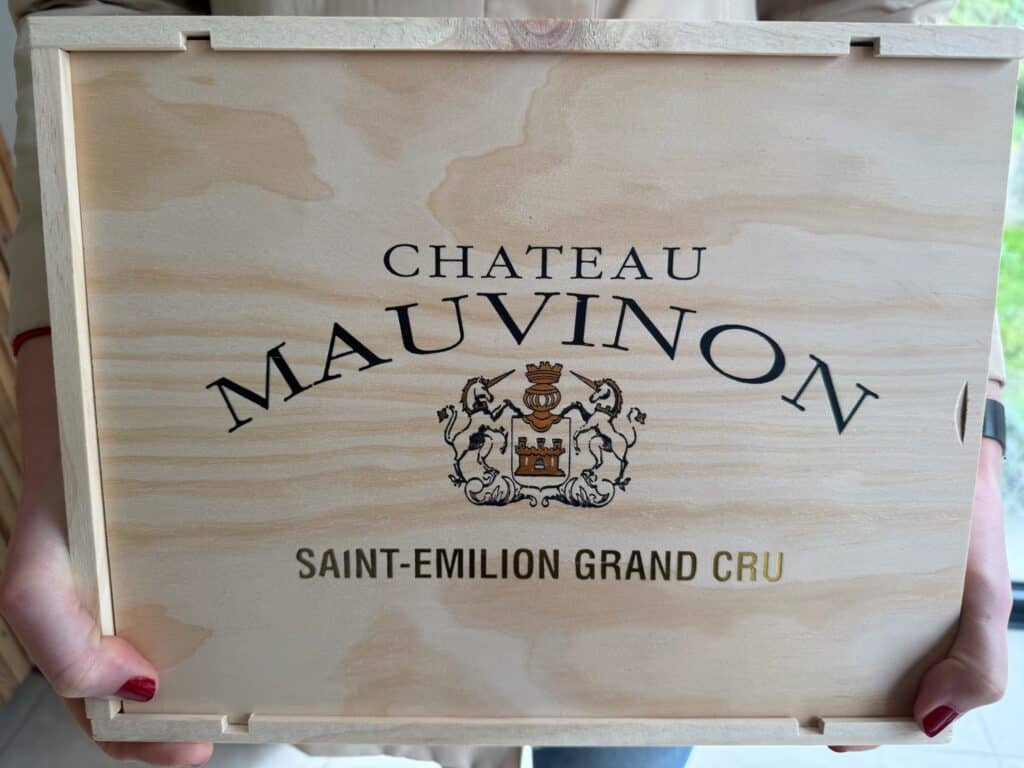
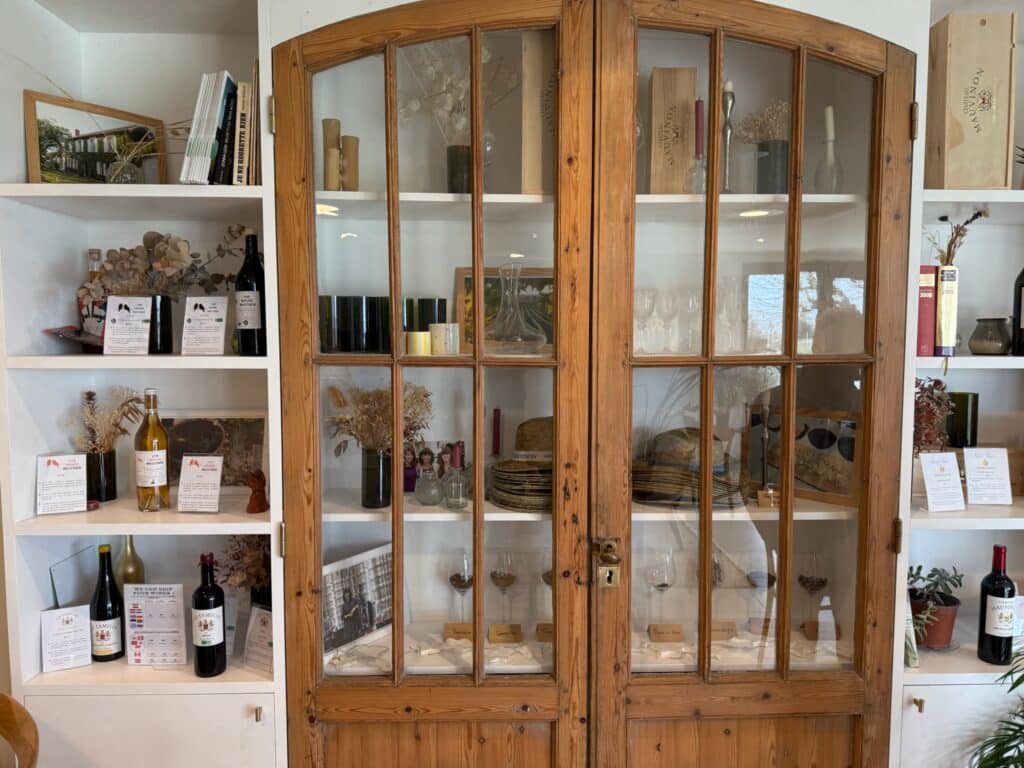
As part of the tasting package, we were offered three wines along with a generous plate of local cheeses. Fortunately, we also got to try two more wines, so we sampled nearly the the entire range of the winery. The two main red wines come from six hectares surrounding the family home and are classified as Grand Cru Classé within the Saint-Émilion appellation.
Tasting notes:
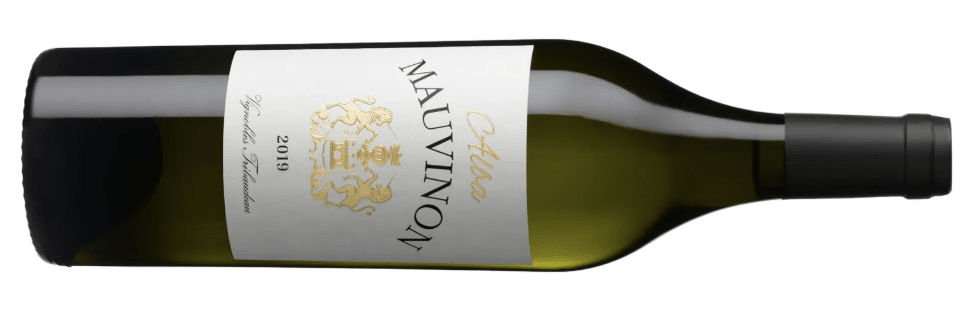
Alba Mauvinon Blanc 2020 – 100% Sauvignon Blanc. Spent three months on the lees with additional batonnage. Then the wine is transferred to oak barrels. On the nose, distinct creamy butter and some citrus fruit. On the palate citrus dominates, along with green apple, but also butter, yogurt, and notes of young wood. Long finish with a pleasant balance of bitterness and fresh fruity notes.
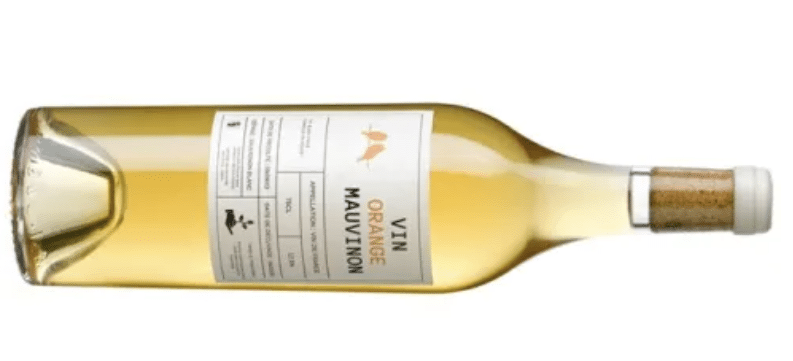
Vin Orange Mauvinon 2023 – 100% Sauvignon Blanc, skin contact maceration to add body and color. On the nose, the expected orange peel, but also very strong vanilla notes. The taste is completely dominated by bitterness; other notes are barely perceptible. Because of that, it was a bit hard to enjoy this wine.
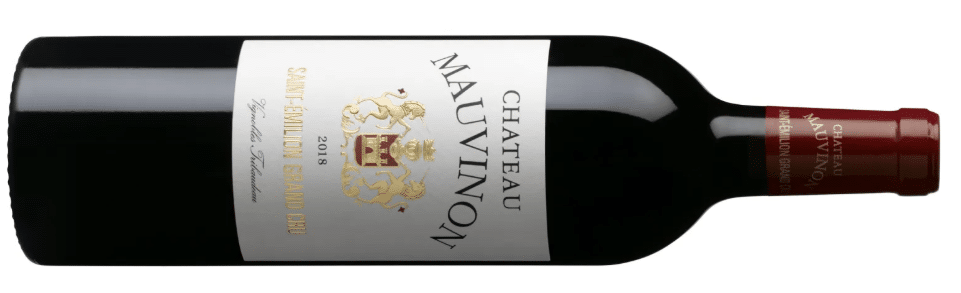
Château Mauvinon 2020 Bio – 50/50 Merlot and Cabernet Sauvignon. Spent one year in a mix of new and used French oak barrels. On the nose, notes of cranberry and cherry. On the palate, very fresh and fruity. Distinct red fruit, ripe cranberry, and cherry. Tannins are quite soft. Medium finish.
Gabriel Lauzat 2018 – 50/50 Merlot and Cabernet Sauvignon. Two years in new French oak barrels, which made a distinctive difference. What’s more, the grapes are harvested early in the morning from selected rows to maximize freshness and fruit concentration. Small production, only around 1,000 bottles per year. On the palate: dominant red currants, licorice and nutty notes. Highly concentrated fruit and powerful body with a long finish. (58 €)
Surprisingly, at Château Mauvinon, the white wine, the dense and expressive Alba, turned out to standout the most — despite this being the first winery I visited in the Bordeaux region. The main reds from the La Familia series were rather basic and didn’t leave a lasting impression. The premium label, Gabriel Lauzat, was quite interesting, although admittedly, pretty expensive. Well, perhaps the takeaway is that when it comes to Bordeaux wines, one should drink less—but reach for a truly good bottle when doing so? I’ll test this theory at the next French wineries, as my wine journey in France is far from over.
Château Mauvinon: https://www.chateaumauvinon.com.
Więcej nieWinnych Podróży wprost na Twoją skrzynkę? Zapisz się!