I’m back again after a longer break, but this time I’m returning from a significantly more distant location. On the surface, it seems the same — but somehow also quite different. That was my main reflection after a quick, one-day trip to Sonoma Valley in California. Most of the leading wine regions in Europe are conceptually quite homogeneous in terms of their basic operating style. So, I expected the same to be true foe California, but there I noticed significant differences in wine production methods—even within the same region.
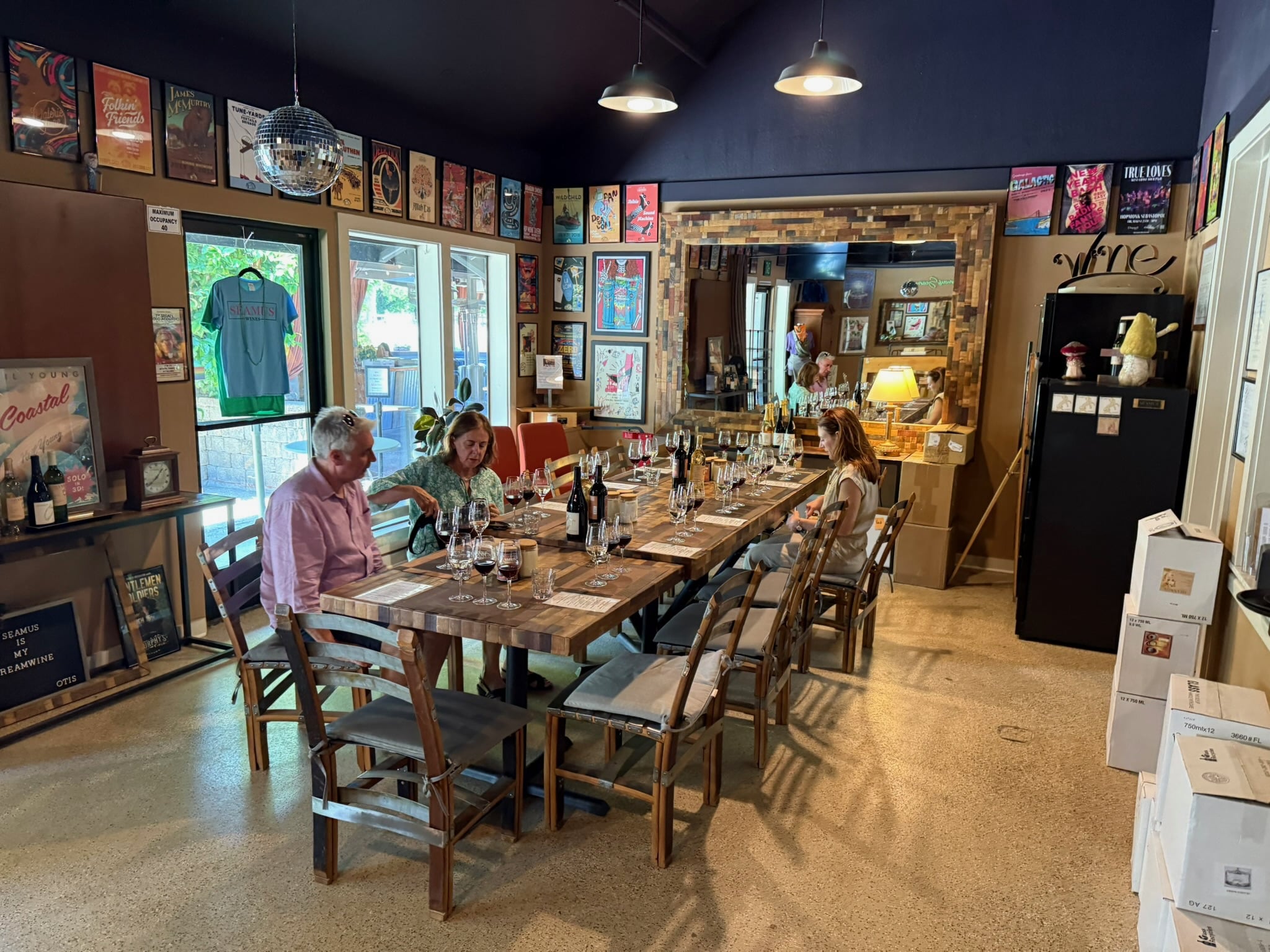
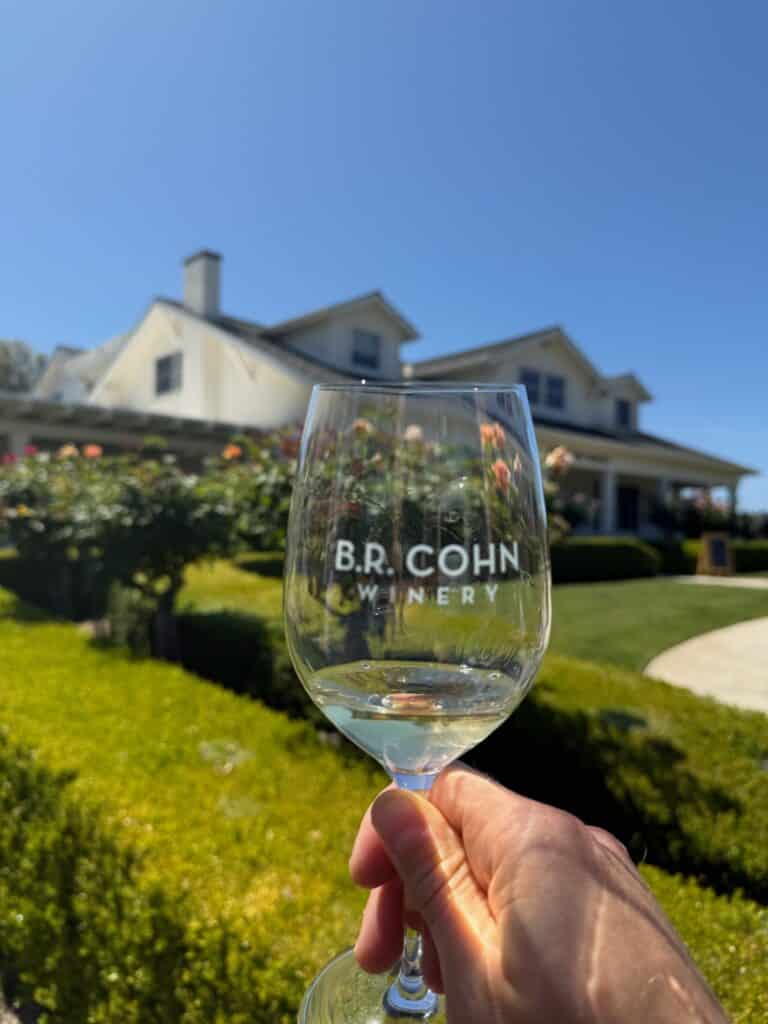
For a change, I opted for an organized tour to Sonoma, to avoid the time-consuming research, car rental, etc. After all, I only had one day and my base was San Francisco. The wine tour I selected ($200, not including tips, of course!) included a very international group of participants (Kenya, Canada, Australia, Mexico, and the USA). In the city, we were loaded into a small van and, under the guidance of our British expat guide, we hit the road. The tour featured three wineries: Peter Cellars, Séamus Winery, and B. R. Cohn Winery. I’ll share my overall impressions from the day, and then we’ll get into the wines themselves.
Just like in Europe, in the States you can choose from a wide range of wine producers. Their stories, challenges and aspirations are often quite similar. Many start as small garage operations, grow into successful family businesses and some even evolve into large corporate ventures. They all face the same ongoing battle with an increasingly unpredictable climate. In California, the biggest threat is the recurring wildfires. As a result of changing weather, there’s been a noticeable increase in the planting of hot climate grape varieties — even in areas that historically have been cooler. Despite truly excellent American marketing and storytelling skills, wine here in California (like everywhere else in the world) can be both very poor and very, very good.
Several noticeable differences, apparently quite typical for America, immediately stood out to me — even despite the intense tour schedule and the general lack of spittoons. Producers, almost in unison, explained to us that their wine contains no chemical additives or enhancers. It seemed to be a generally accepted truth that most wine is mass-produced through dreadful processes where quality is the last concern. The only goal is to reach the low price points required by chain stores and supermarkets. Of course, we can also say plenty of negative things about mass-produced wines from Castilla La Mancha or Prosecco, but still I think that the quality gap here is on an entirely different level.
Another striking aspect is that the primary modus operandi of Californian wineries, regardless of perceived quality or price point, is buying grapes from other estates. There’s a clear split between winemakers and grape growers. Again, yes, this happens in Europe too, but I don’t think it is the dominant model—especially not among the kinds of wineries I visit typically. In the Old World, it’s more the exception than the rule.
The last thing is price. The mid-tier bottle in California essentially starts at $50–70, and bottles of similar quality in nearby Napa Valley can easily cost around $150. At the same time, producers are genuinely surprised that wine in the U.S. is still perceived as a prestige product, reserved for the upper class or special occasions. Gee, I wonder why? Entry-level wines contain the entire periodic table, and the mid-tier costs as much as dining out. I’m not entirely sure what causes these discrepancies. But it must be profitable somehow—after all, there are enough buyers. Anyway, I’m glad that on our home continent, you can drink a decent entry-level wine for €10, and really good bottles can be found for €30–40.
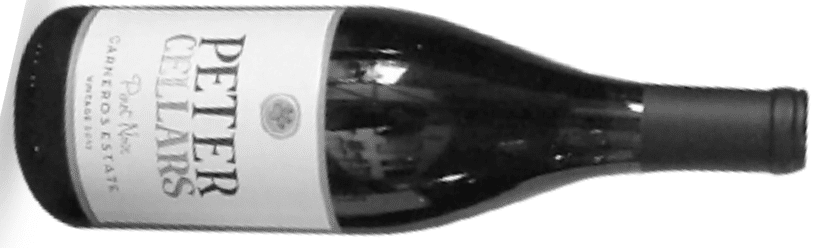
It’s time for the wines! First, Peter Cellars. My favorite here was the 2019 Merlot, with strong notes of blackberry, soft tannins and well-balanced use of oak. The difference between the two vintages of Pinot Noir was also interesting. The 2021 was a simple, fruit-forward wine without complexity. In contrast, the 2020 immediately greeted us with a different bouquet—I picked up characteristic forest floor and woodsy aromas. The same happened on the palate, where vanilla notes joined the fruit and were very well integrated. Finally, a beautifully structured wine! The 2018 Cabernet Sauvignon was over-oaked and lacked balance.
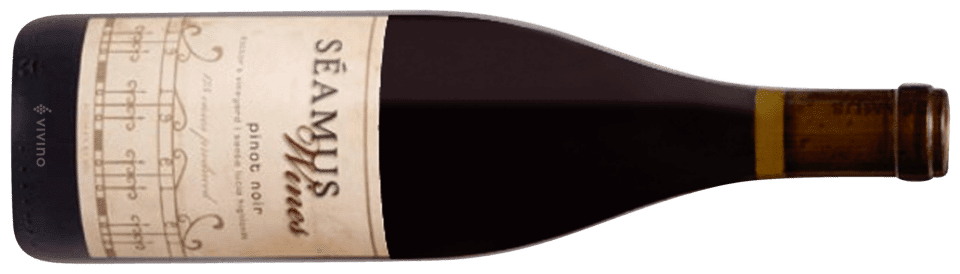
In Séamus Winery we were “treated” to a Sauvignon Blanc, a red cuvée (50/50 Grenache and Cab Sav) and a 2015 Pinot Noir. Practically everyone in the group left their glasses unfinished. Only one person bought a single bottle. All the wines were a complete disaster. Their house style seemed to be: inconsistent aromas and taste, lack of balance, overripe and odd flavors. My tasting notes include such gems as: aggressive tannins, overcooked compote, heavy mud and dirty wood. I don’t think it’s worth writing about them any more.
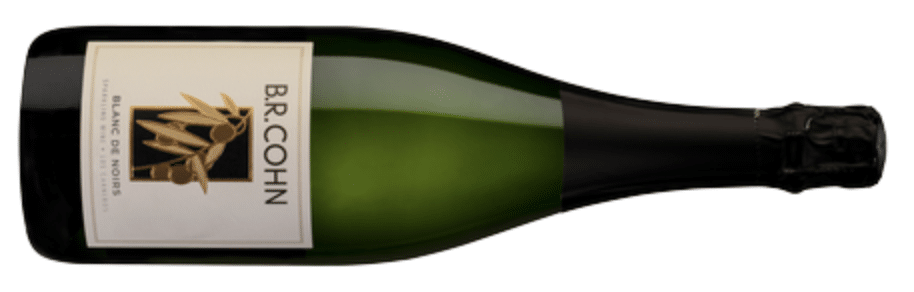
The last stop, B. R. Cohn Winery had pretty decent wines. However, I had a little trouble judging them properly because they were all stored and poured outdoors in 35°C heat. The red wine had been pre-poured and left on the table in full sun for an hour. We were essentially drinking mulled wine in summer, which naturally had a negative impact on the experience. I bought a bottle of Pinot Noir, so I’ll revisit it at home under better conditions. Despite the terrible serving, the quality of the wines was still noticeable. The wine I got to know best was a sparkling wine, purchased by a Canadian woman in our group celebrating her birthday. The bubbles were well-balanced, moving from fresh citrus notes to flavors of brioche and nuts. Smooth and well-integrated.
This was a quick visit to Sonoma, full of impressions—but rather social ones and not so much wine-related. It does beg a question: can you ever discover a true wine gem on an organized tour? After my intriguing experiences in Virginia, and now California, I’m excited to see what awaits me in Texas, which is my next destination. I’m sure that the American wine world still has plenty of surprises in store for me.
Peter Cellars, https://petercellars.com/.
Séamus Winery, https://seamustastinglounge.com/.
B. R. Cohn Winery, https://www.brcohn.com/.
Więcej nieWinnych Podróży wprost na Twoją skrzynkę? Zapisz się!