Bull’s Blood in the 21st century – Eger, Hungary
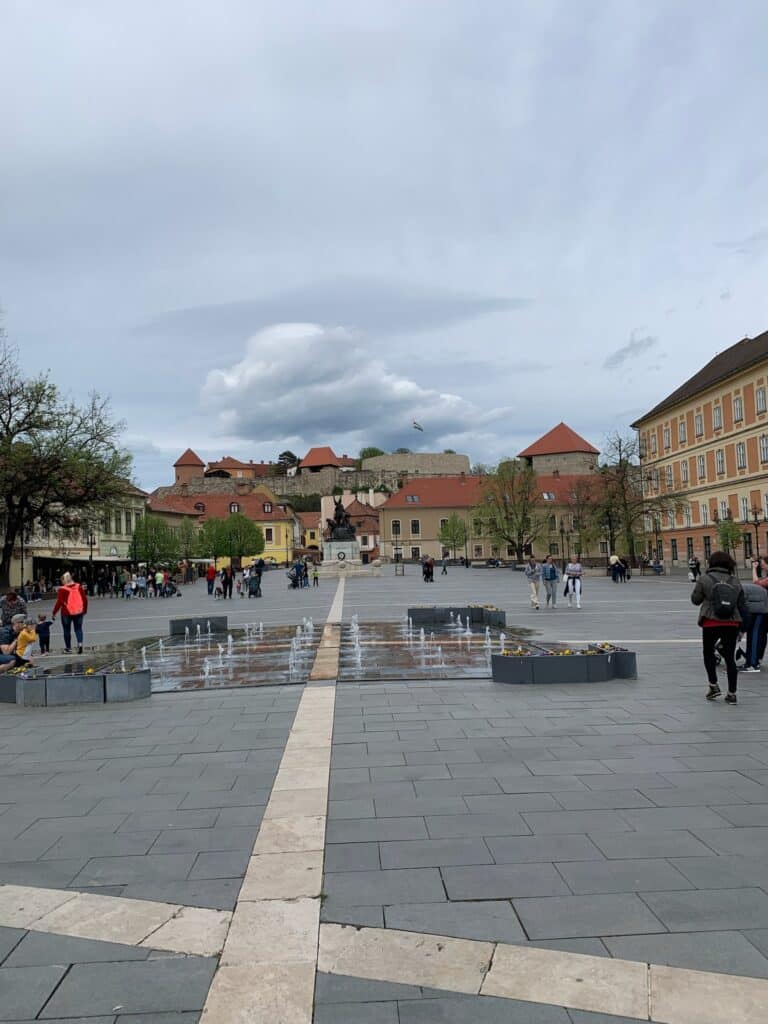
To feel a rebirth of the thermal baths, one must first embark on the path of self-destruction, wrote a famous culinary journalist Robert Makłowicz. A beautiful place to test this thesis is the wine town of Eger in Hungary. Located in the northern part of the country, it is famous for its numerous medicinal thermal baths and even more numerous wineries. The area is full of both. This time I invite you to unWined with me in the style of 19th century aristocracy. We will travel to an imperial spa town known for its healing waters, but we will definitely spend most of the time enjoying the local wines.
Speaking of wine, this is definitely an interesting region, especially thanks to the local appellation of Egri Bikavér, or Bull’s Blood. This name surely evokes some dreadful recollections for many people who had the opportunity to taste a wine with this label during the communist era (unfortunately, I missed out on this “treat”). One of the winemakers in Eger told me that in his youth, he used to drink Bull’s Blood only heavily diluted with cola. My father, upon trying it for the first time, decades ago, exclaimed that he would never drink wine in his life. He didn’t quite stick to his resolution, because since then he became a real wine enthusiast. Nonetheless, the traumatic memories remain…
So, is the current charm of Eger somehow associated with this abhorrent pseudo-wine? Not at all! Luckily, this unfortunate legacy is now a thing of the past. With the closure of the local conglomerate Egervin (they mass-produced truly nasty stuff), and as a result of political changes, smaller winemakers have returned to the region. They are keen to take full advantage of Eger soils, climate and resulting unique terroirs and once again create beautifully ageing, expressive, and complex wines. The winemaking tradition there dates back to the Middle Ages and was only temporarily disrupted in the twentieth century.
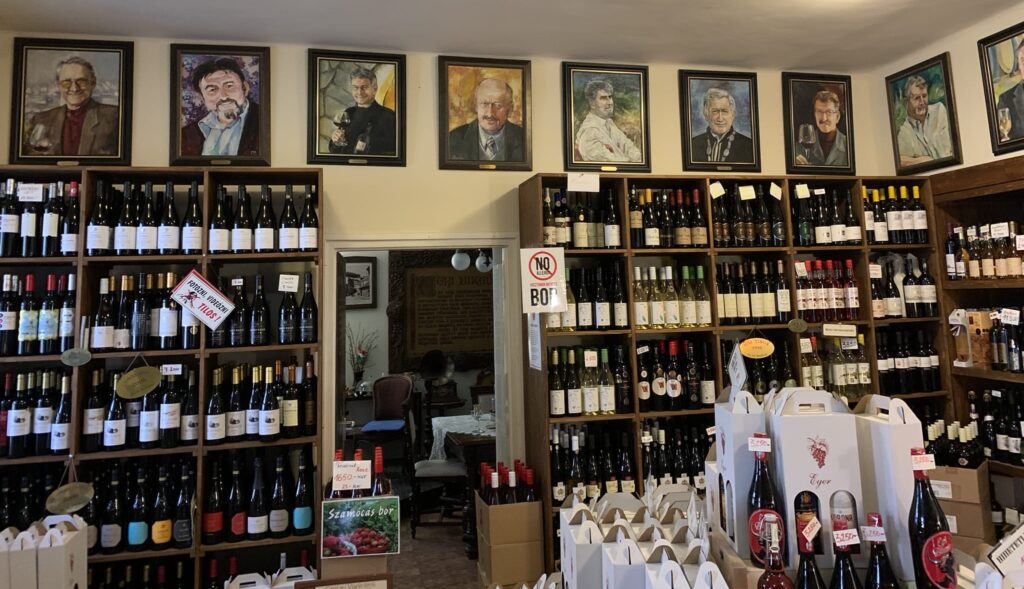
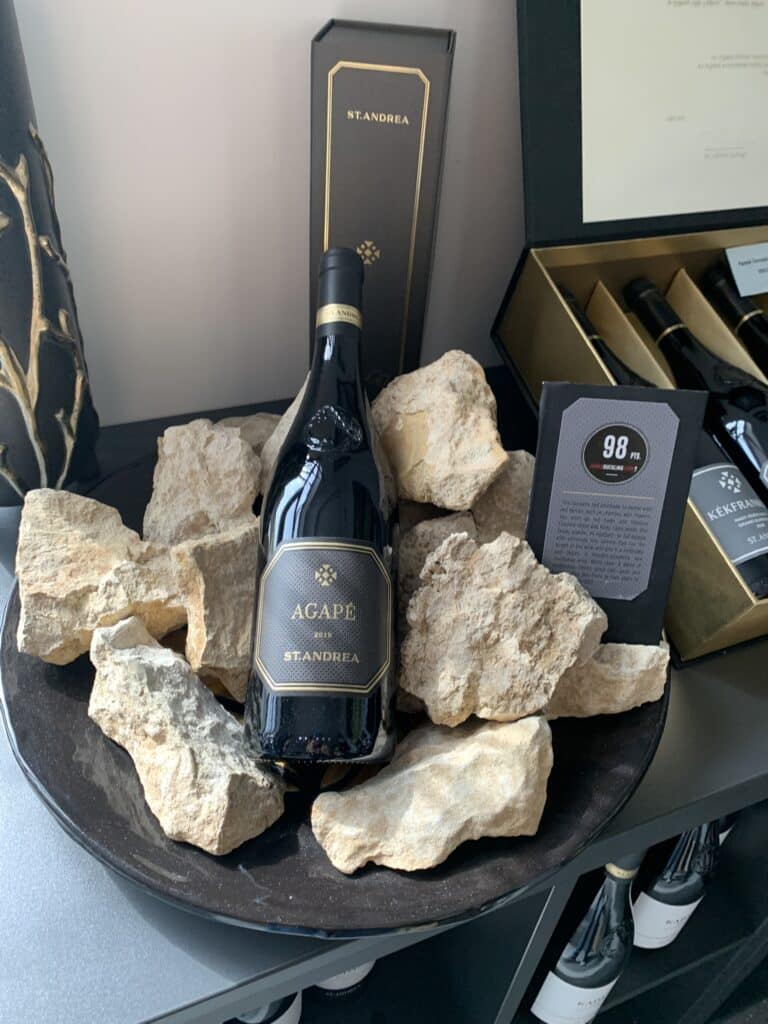
Tóth Ferenc winery illustrates the local history well. Mr. Tóth Ferenc was born into a winemaking family, who lost everything in the 1950s. In the 1980s, they began to rebuild slowly, and now Tóth Ferenc is a 25-hectare vineyard. This winery was a must-visit in my itinerary (I bought my first bottle from Tóth Ferenc at the Carpathian Wine Bar). Another place I would like to mention is St. Andrea. According to world critics, this winery produces the best wine in Eger – St. Andrea Agapé.
Before we delve into specific wines from both wineries, first a few words about the region’s trademark – Egri Bikavér (Bull’s Blood). This red wine must be composed of at least three and a maximum of thirteen grape varieties. The base is always Kékfrankos (also known as Blaufränkisch). Other commonly added varieties include Merlot, Cabernet Sauvignon, Syrah, Pinot Noir, and Kadarka. There are three tiers: Classicus, Superior, and Grand Superior. Depending on the chosen blend, different versions of Bull’s Blood vary in the quantity of grapes used for production and the ageing method. These ultimately determine the final designation of the wine.
And now, the Egri Bikavérs I’ve tried:
Áldás, Egri Bikavér Superior, St. Andrea, 2022 – this is the basic Egri Bikavér from St. Andrea, created from a blend of various terroirs, all of which include volcanic soils. This wine is composed of seven different grape varieties. It has an intensely fruity aroma. The taste is dominated by redcurrant and red cherries with tolerable acidity. Fairly soft tannins make it easy to drink despite its young age.
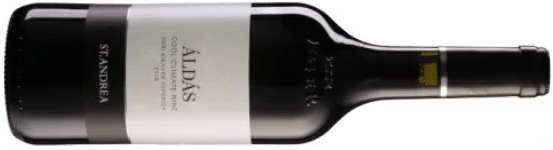
4890 Ft (~12 €).
Merengő, Egri Bikavér Superior, St. Andrea, 2021 – despite being in the same class as Áldás (Superior), this wine is definitely of higher quality. It is full-bodied and more structured. Flavours of redcurrant dominate but tobacco, dark chocolate, and black pepper also come through clearly. It’s a more complex and elegant wine. The tannins are tolerable, although still quite green. The wine will definitely become more enjoyable as it ages.
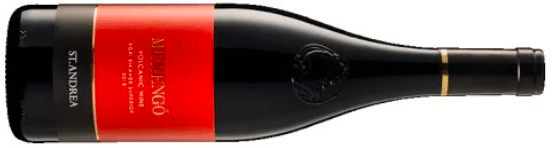
11000 Ft (~28 €).
Igazán, Egri Bikavér Grand Superior, St. Andrea, 2016 – here we have a Grand Superior wine. It comes from a selected terroir, located on a hill with limestone soils. In some regards, the wine is similar to its younger equivalents – it possesses freshness and significant acidity. Equally, you can just feel its maturity and refinement. Ripe black fruit flavours dominate, with more pronounced plums and blackcurrant.
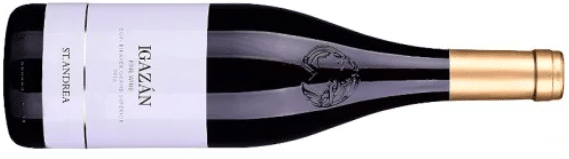
18500 Ft (~47 €).
Várvédő, Egri Bikavér Superior, Tóth Ferenc, 2018 – Tóth Ferenc’s wines were characterised by piercing acidity. This six-year-old wine, despite spending two years in the oak barrels, and having 15% alcohol content, preserved an interesting freshness. The wine is well-structured with a full body. On the nose there are very vivid notes of the forest floor and wet wood. In addition to blueberries and blackcurrant, there are also distinct notes of cocoa.
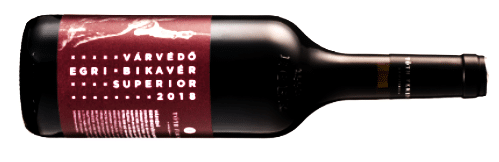
6990 Ft (~18 €).
Síkhegy, Egri Bikavér Grand Superior, Gál Tibor, 2018 – Grand Superior class at a very reasonable price. The wine, as befits this category, is complex, elegant, and well structured. Selected from the Síkhegy terroir dominated by clay soils, it is a blend of five grape varieties. The palate flavours is a swirl of plums, blueberries, but also freshly ground coffee and bonfire smoke.
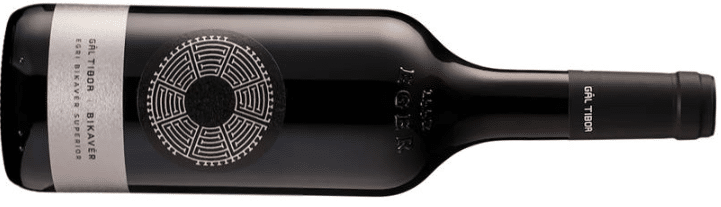
9000 Ft (~23 €).
Egri Hegybíró Bora, Egri Bikavér, Dula Pincészet, 2012 – the oldest Egri Bikavér I had a chance to try during this trip. The price (less than 12 € in store, and around 14 € in a local restaurant) was as surprising as what I encountered after opening the bottle. Although due to its twelve years, the wine has become palatably lighter, it still maintained complexity and nuances of different flavours. Dark chocolate and wet earth notes dominated, but I still detected distinct flavours of plums and brambles. It paired magnificently with rabbit and venison dishes! I highly recommend it. By the way, the food and drinks prices in Eger are very friendly to a Polish pocket, so even better to a Western one!
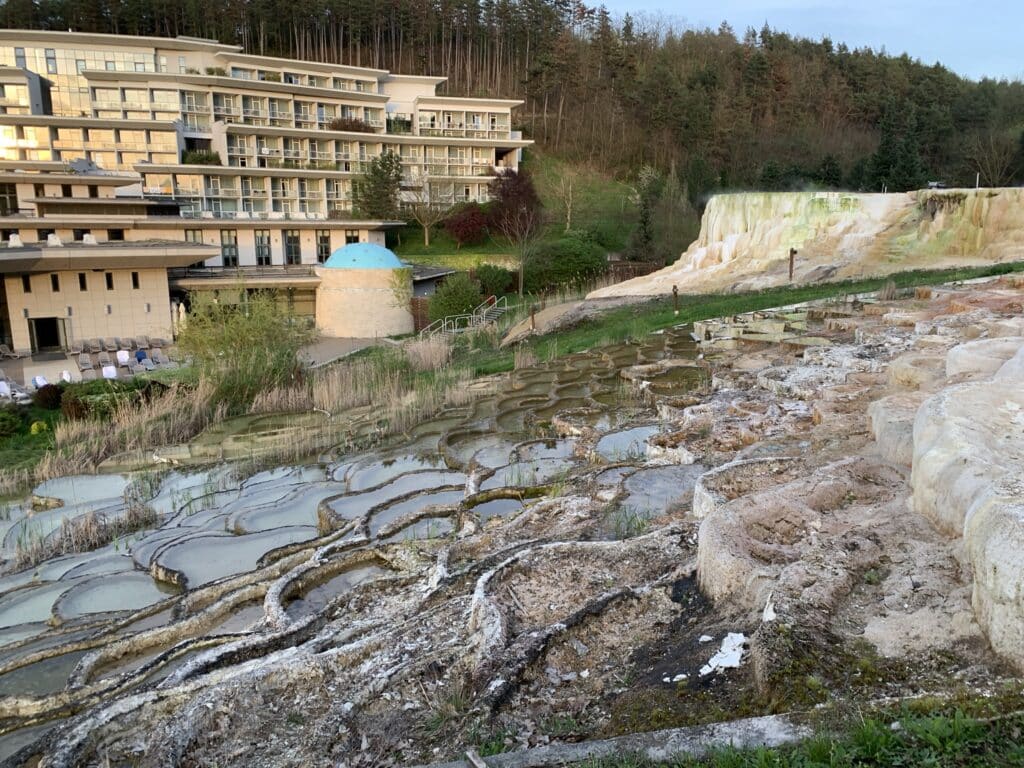
What about those thermal baths and the treatment then? I must say that after two days of intensive tasting, a trip to the hot springs by a naturally occurring salt hill (a mini version of the Turkish Pamukkale) did the trick. After three hours spent soaking in sulphur-smelling waters, while basking under the strong April sun, I emerged like a newborn, ready to attack a few more really good bottles of Bull’s Blood. I hope Mr. Makłowicz would be proud of me.
Tóth Ferenc winery: https://tothferencpinceszet.hu/en/.
St. Andrea winery: https://standrea.com/en/.
Bull’s Blood in the 21st century – Eger, Hungary Read More »