french wine

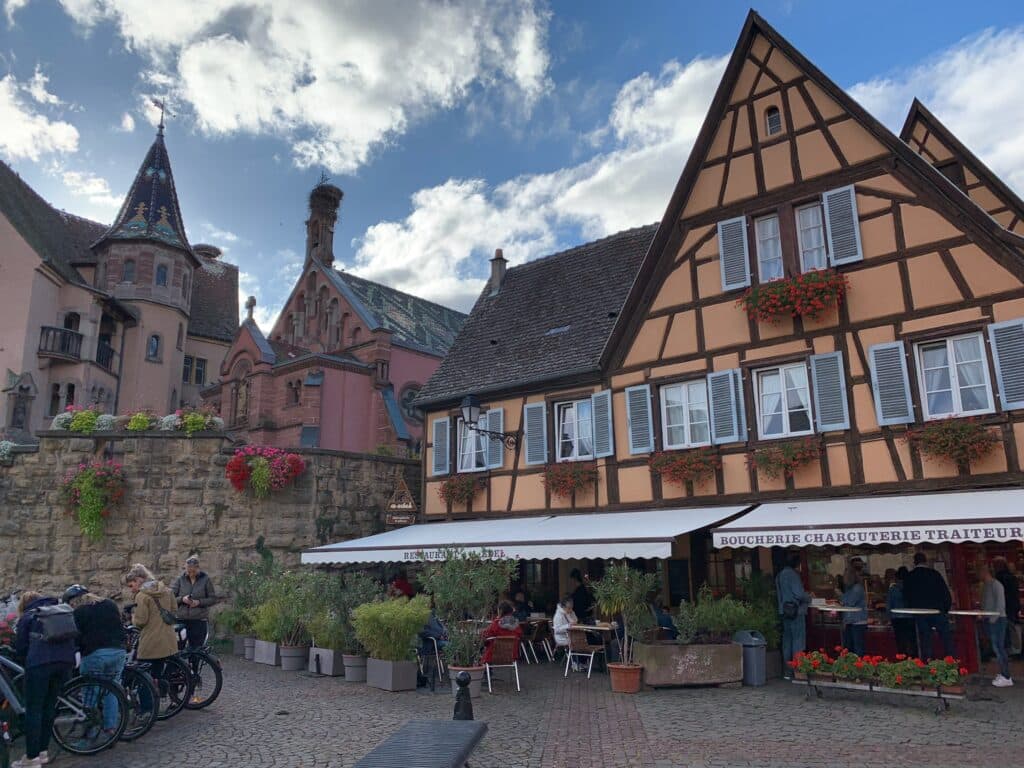
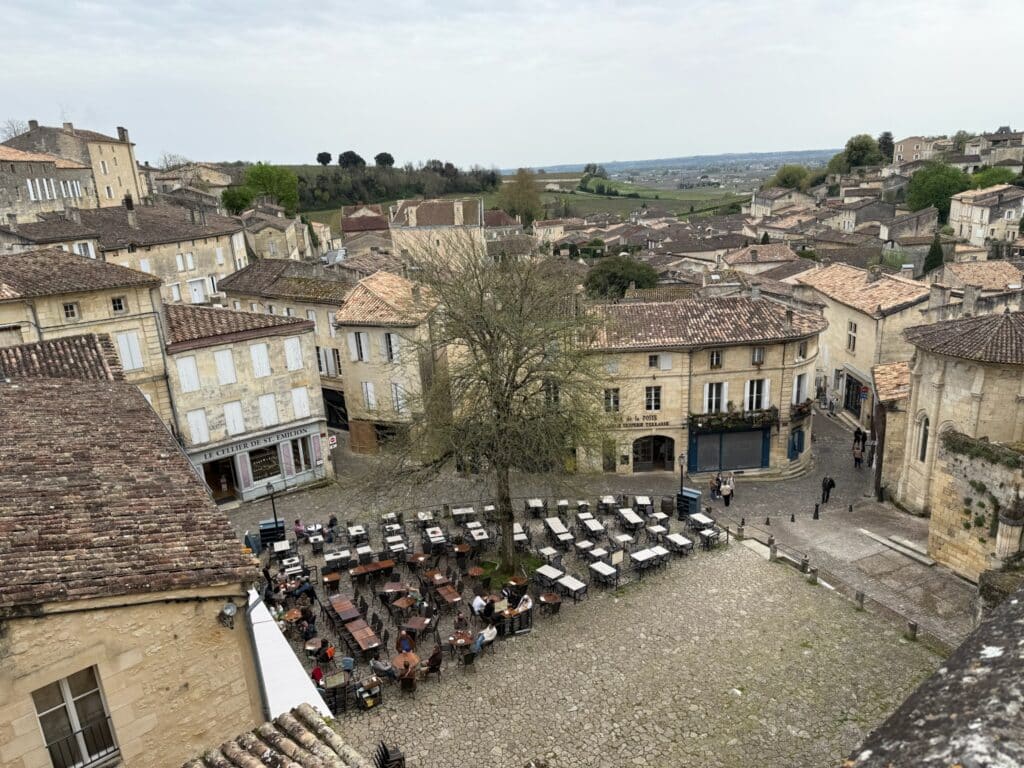
View of Saint-Emillon square.

Château Mauvinon – Saint-Émilion, Bordeaux

It’s been a bit quiet here for a while, but I’m back with some news from France—more specifically, from the Bordeaux region. Bordeaux is typically associated with grand châteaux with centuries-old heritage. However, it’s also possible to find quite intimate places here, more reminiscent of the modern world of wine. Grandparents started a business in the countryside, while their children and grandchildren headed off into the big world, seeking opportunities in cities and global corporations. But after a time, many of the younger generations started to slowly return to their family steads and look for a different kind of satisfaction in life, the one that only countryside and simple work of a farmer and producer can provide…

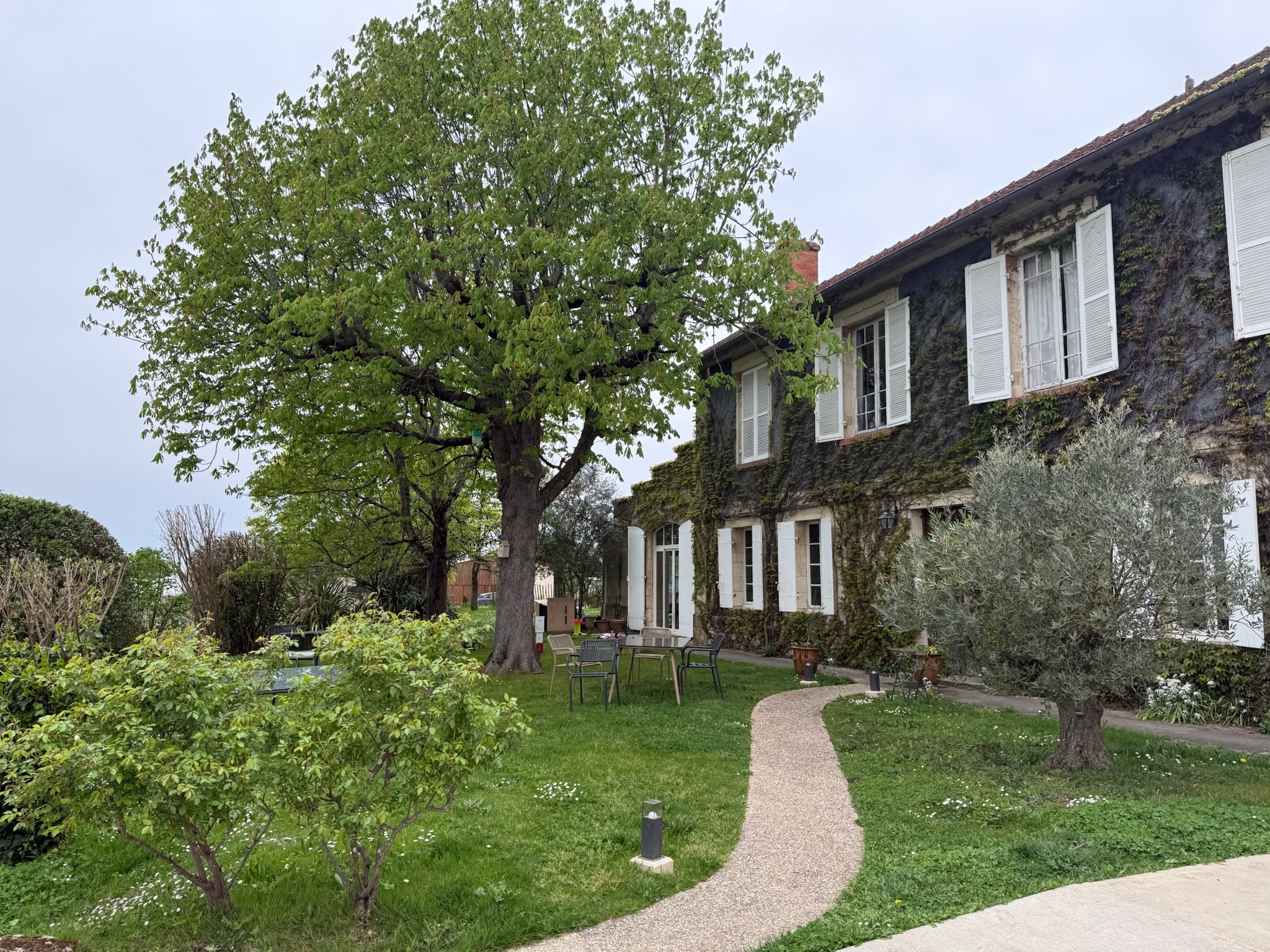
This is exactly the kind of story we find at Château Mauvinon, located in the Saint-Émilion appellation of Bordeaux. Caroline, who gave us a tour of the winery, is the granddaughter of the founders and has now been living back in the family home for eight years, after spending some time in Paris. I don’t ask for details about her Parisian life, but it’s clear that it’s in the past now and she is once again deeply rooted in her hometown.“I have lunch with my siblings and my mother every day; my kids spend time with their cousins all the time. Not many families are that lucky anymore.” – Caroline tells us between the conversations about the challenges of making wine following organic farming principles.
And those challenges require much effort every single day. Battling insects, animals, and weeds is definitely more difficult without chemical interventions. The latest green experiment involves three New Zealand piglets. They are 100% vegetarian, and their task is to roam between the vineyard rows and eat everything that interferes with the vines. Theoretically, the way the pigs are built won’t allow them to eat the grapes, but we’ll see for sure this coming summer when the grapes appear on the vines and the little mowers reach their full size.

Another interesting feature at Château Mauvinon is their abandonment of sulfites in the winemaking process. After harvesting, the grapes are first kept at very low temperatures to keep the unwanted microorganisms at bay. Then, a slow two-month maceration process begins, with daily pump-overs. The barrels are stored in a warehouse below the ground level, which naturally maintains a temperature below 14°C. Apparently, this process allows them to avoid using any sulfites whatsoever and the wine still doesn’t go bad. It’s a bit hard to believe, but well, we’ll have to take their word for it…

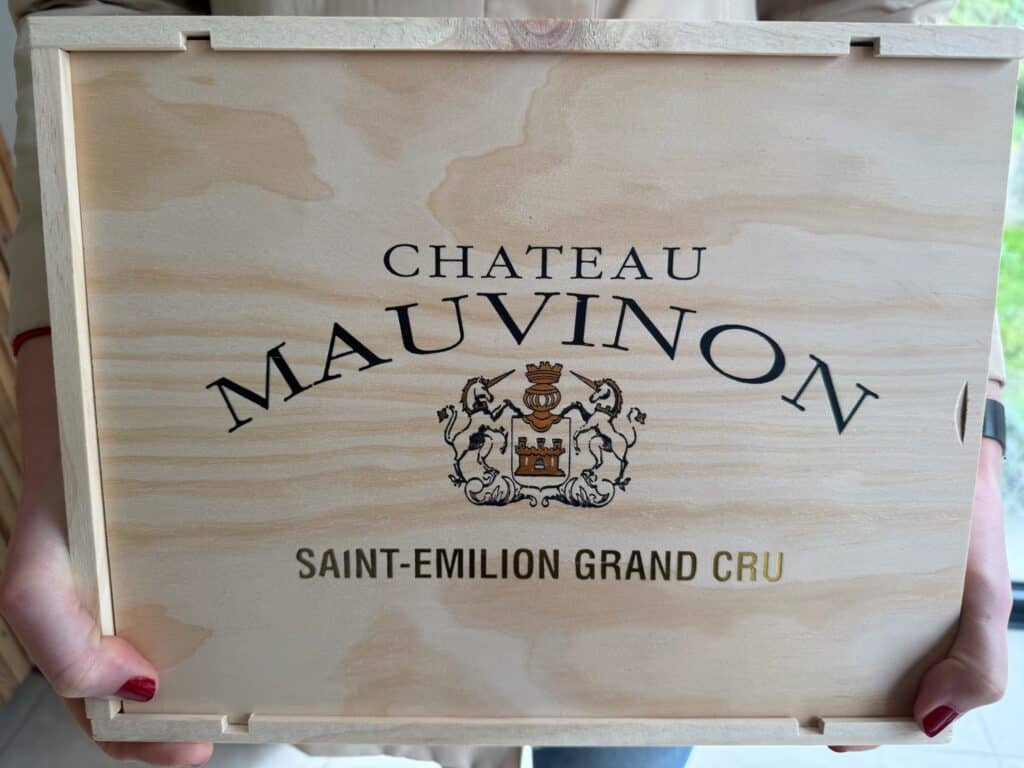
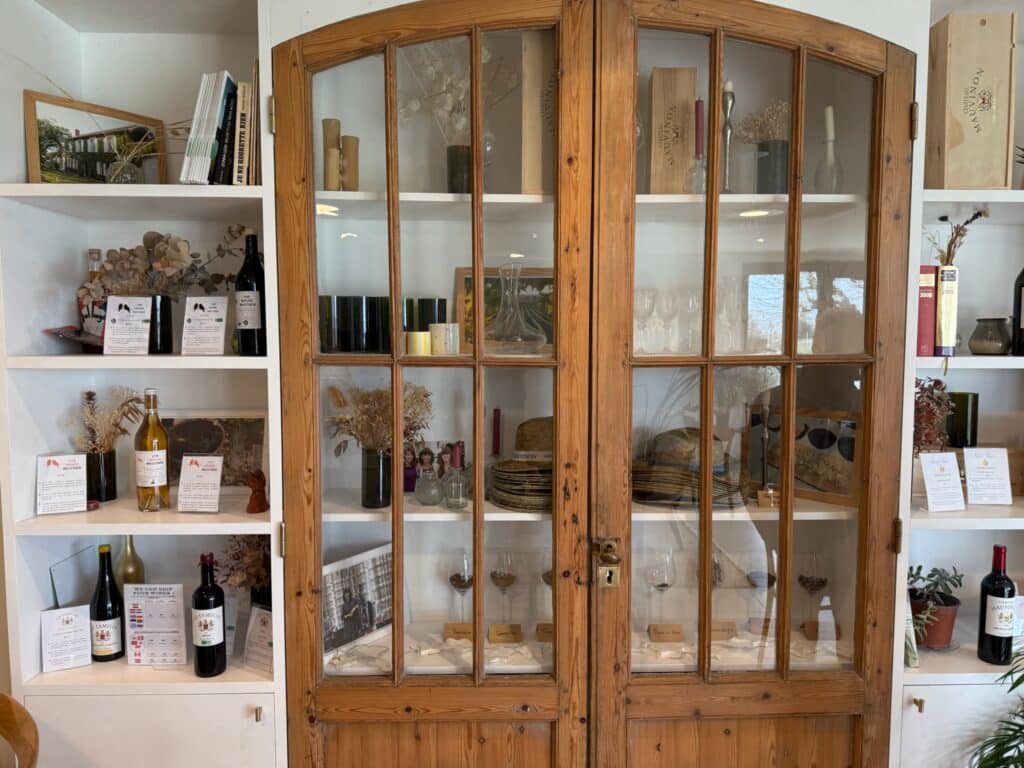
As part of the tasting package, we were offered three wines along with a generous plate of local cheeses. Fortunately, we also got to try two more wines, so we sampled nearly the the entire range of the winery. The two main red wines come from six hectares surrounding the family home and are classified as Grand Cru Classé within the Saint-Émilion appellation.

Tasting notes:

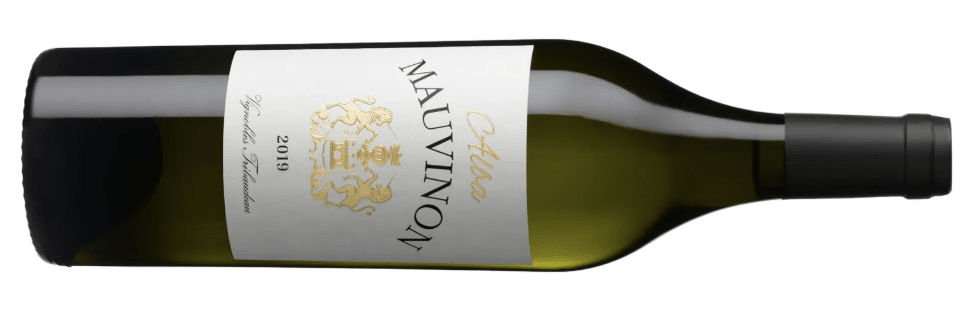
Alba Mauvinon Blanc 2020 – 100% Sauvignon Blanc. Spent three months on the lees with additional batonnage. Then the wine is transferred to oak barrels. On the nose, distinct creamy butter and some citrus fruit. On the palate citrus dominates, along with green apple, but also butter, yogurt, and notes of young wood. Long finish with a pleasant balance of bitterness and fresh fruity notes.
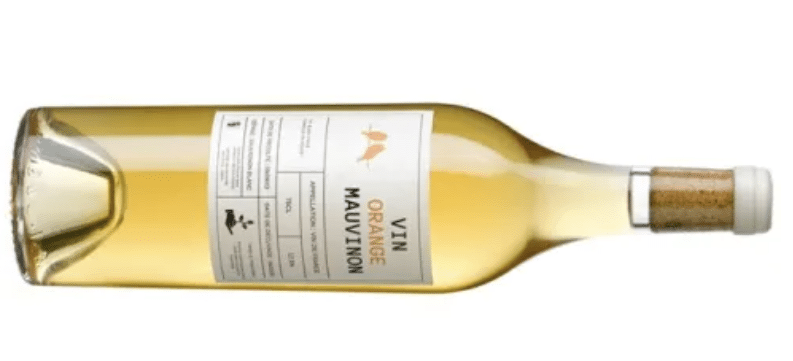
Vin Orange Mauvinon 2023 – 100% Sauvignon Blanc, skin contact maceration to add body and color. On the nose, the expected orange peel, but also very strong vanilla notes. The taste is completely dominated by bitterness; other notes are barely perceptible. Because of that, it was a bit hard to enjoy this wine.
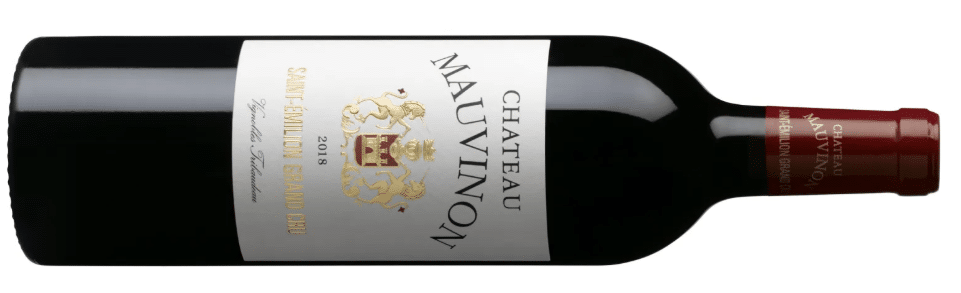
Château Mauvinon 2020 Bio – 50/50 Merlot and Cabernet Sauvignon. Spent one year in a mix of new and used French oak barrels. On the nose, notes of cranberry and cherry. On the palate, very fresh and fruity. Distinct red fruit, ripe cranberry, and cherry. Tannins are quite soft. Medium finish.
Gabriel Lauzat 2018 – 50/50 Merlot and Cabernet Sauvignon. Two years in new French oak barrels, which made a distinctive difference. What’s more, the grapes are harvested early in the morning from selected rows to maximize freshness and fruit concentration. Small production, only around 1,000 bottles per year. On the palate: dominant red currants, licorice and nutty notes. Highly concentrated fruit and powerful body with a long finish. (58 €)

Surprisingly, at Château Mauvinon, the white wine, the dense and expressive Alba, turned out to standout the most — despite this being the first winery I visited in the Bordeaux region. The main reds from the La Familia series were rather basic and didn’t leave a lasting impression. The premium label, Gabriel Lauzat, was quite interesting, although admittedly, pretty expensive. Well, perhaps the takeaway is that when it comes to Bordeaux wines, one should drink less—but reach for a truly good bottle when doing so? I’ll test this theory at the next French wineries, as my wine journey in France is far from over.

Château Mauvinon – Saint-Émilion, Bordeaux Read More »
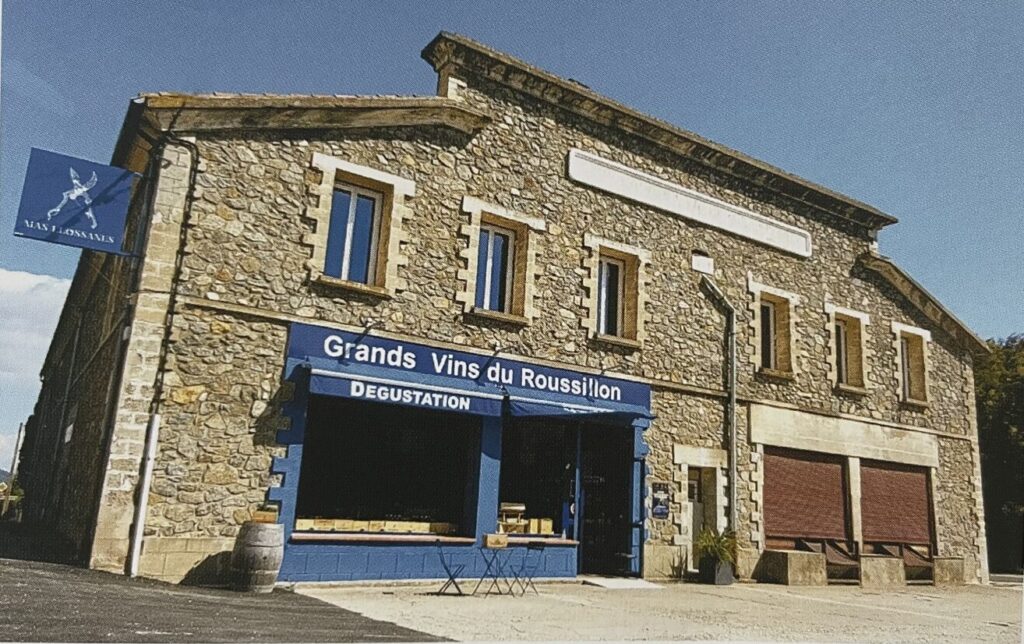
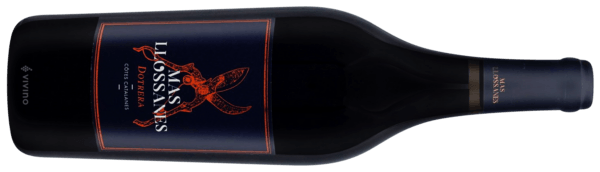
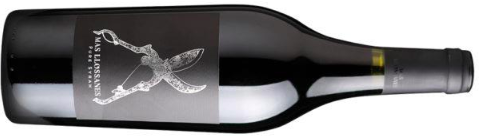
Mas Llossanes wine shop picture.

Mas Llossanes – altitude vineyard in Roussillon

After a short stop in Alsace, we headed towards the Pyrenees to hike and climb in the mountains. Along the way, we stopped near Avignon. Unfortunately it was Sunday and most wineries in the Rhone Valley were closed. We couldn’t stock up for the rest of our trip! I feverishly searched through the obligatory copy of the World Atlas of Wine that I had brought along. To my disappointment it seemed that in the Languedoc-Roussillon region, mostly white or at best rosé wines were available. I had already given up the hope of buying some punchier characterful red wines. Suddenly, 5 km before our destination, Prades, on the French-Spanish border already quite high in the mountains, we passed a sign for “Cave du Mas Llossanes“. This vineyard didn’t appear in my research, but a quick visit to Vivino gave us a green light. So, we decided to stop by for a moment and see what we could learn about the wines in this corner of France. In the end, we spent over an hour there, talking to the incredibly nice owner of the winery, Solenn. Solenn let us try most of the wines she produces with her husband, Dominique.

Solenn and Dominique spent many years working together for a large wine producer in Tuscany. Dominique was responsible for wine growing and production, while Solenn worked as a sommelier. Her sommelier skills were evident in how she treated her customers. A nice surprise was that she spoke very good English. Since we were the only guests in the shop, she started talking to us almost immediately. After gauging our interest she recommended a couple of bottles. However, when she noticed how excited we were getting, she walked us through most of the wines on offer (including a one that was no longer available – apparently it had been sold out at a local fair a couple of days earlier). After the tasting, she couldn’t resist adding one extra bottle to our order (“I don’t like leaving an empty space in the box,” she said) and signing me up for the newsletter. All of this was done very skillfully and didn’t feel forced.

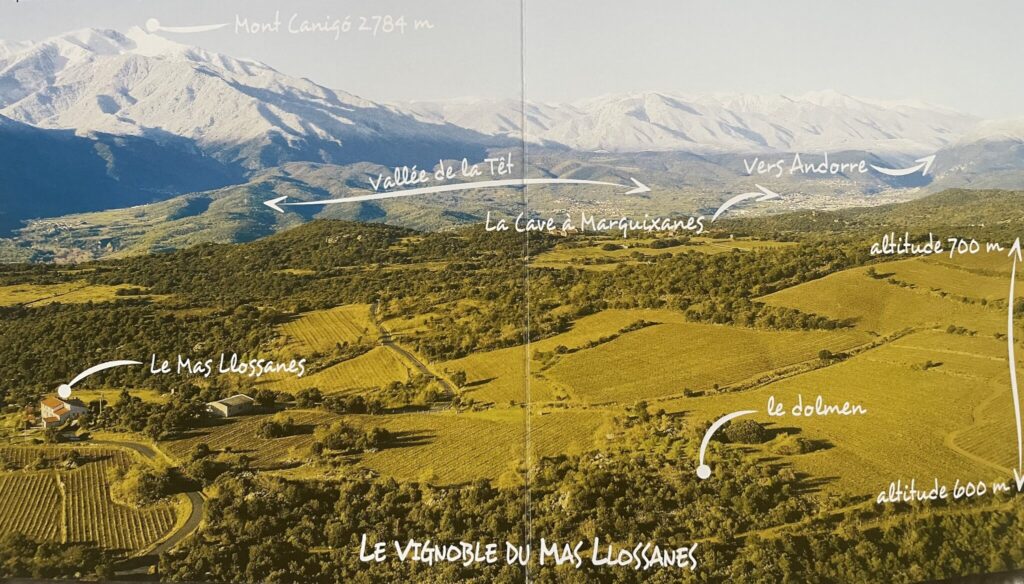
The wines themselves were very good. And interestingly, mostly red. Of course, we had to ask: “How come?”. My haphazard study of classic wine texts suggested that this shouldn’t be the case in this part of the world. However, everything was explained by altitude! The vineyard is located at an altitude of 600-700 metres above sea level, making it one of the highly situated vineyards in France. This means that despite the Mediterranean climate along the whole coast, the influence of the Pyrenees and altitude reduces the temperatures to which the grapes are exposed. This makes it quite well suited for the cultivation of red wine grapes.

Mas Llossanes, located deep in the Pyrenees, is still a fairly young business, established only 8 years ago. But even now, I envision a long and exciting future ahead of them, considering the owners’ previous experiences and the quality of their wine. The couple champions the methods of production that stay in harmony with the local climate, avoiding chemical interventions. The wines are certified organic and the crops are grown according to biodynamic principles. The addition of sulfites is minimised and only naturally occurring yeasts are used for fermentation. The Carignan variety plays a leading role, accompanied by Grenache, Syrah, Chenanson, Cinsault, and Chasan. Now, let’s discuss what I was so impressed with!

We started with a Rosé made exclusively from Carignan. As Solenn explained to us, the Rosé from Mas Llossanes was created to challenge the stereotype of Rosé from Roussillon. The wine was fresh and pleasant on the nose, but it didn’t make me think of strawberries by the pool. This rosé was closer to an aperitif – it definitely stimulated the salivary glands to work. It was pretty dry and quite acidic. I tasted blood orange, rose, and citrus on the palate. I imagine that it would pair very well with food.

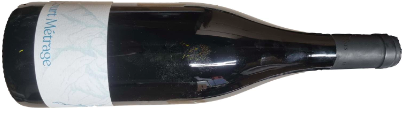
Next was the 2021 Court Métrage, made mostly from Carignan. This wine is supposed to be light, fruity and easygoing. Exclusively stainless steel tanks are used in its production. The naked cork, without the typical cover, makes it more quirky. When I tried it, I was first met with aromas of strawberries and blackcurrant. The taste of red fruits such as strawberries, raspberries or red currants dominated, notwithstanding noticeable and pleasant acidity.

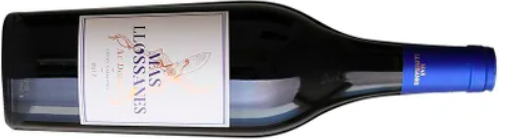
Then we tried the 2018 Au Dolmen. It’s a blend of Carignan, Syrah, and Grenache. The wine is only made in stainless steel tanks, but thanks to the addition of Syrah and Grenache, it has a much more complex character. Solenn recommends having this wine with food to balance its power. However, with the first sip, I already decided that I’d rather enjoy it on its own while contemplating some mountain views. Au Dolmen has fairly strong tannins, but they’re quite elegant. On the palate, blackcurrant comes through, along with some spices and pepper. Our hostess told us the origin of the name, which corresponds to the local prehistoric, stone structure, a mini “Stonehenge”.

Dotrera, also from 2018, is a more complex expression of the same grape varieties as Au Dolmen. The difference is that the grapes come from older vines, and the wine is aged in used oak barrels. The wine is layered, with strong tannins. Overall, it’s much more powerful. Flavours of dried plum, blueberries, and blackberries dominate. Menthol and oriental spice notes are also interesting. It’ll certainly pair very well with strong flavours such as red meat. Although, as with Au Dolmen, I really liked it on its own. The wine was still quite young considering its method of production and the grape varieties used, so I’m very curious to see how it’ll present itself in 5 or 10 years.

Finally, we tasted the Pur Syrah – the sold out bottle. As the name suggests, it’s 100% Syrah from 2020. The wine ages in oak barrels. It was definitely too young to drink at this point; the tannins were still quite green and rough. Nevertheless, it showed very promising signs. It seems that this will be a very good expression of the grape and the result would differ completely from the blends we had tried before. Unfortunately, this bottle costs 45 €, almost twice as much as Dotrera. This time, I decided against it and opted for more immediate gratification with the other wines instead of investing in the future. Maybe next time!

No doubt, my completely unplanned visit to Mas Llossanes was a success. Somehow, the car visibly sank down after I loaded all the shopping into the boot. I bought wines not only for the remainder of our holidays but also to take home and as gifts for those friends who appreciate a good bottle of wine! My only regret is that I didn’t stock up more… Recently, a few months after the visit, I checked the winery’s website. It seems that they have launched an online shop since then. If the shipping costs won’t crush me, I hope to quickly remedy my mistake!

Mas Llossanes – altitude vineyard in Roussillon Read More »

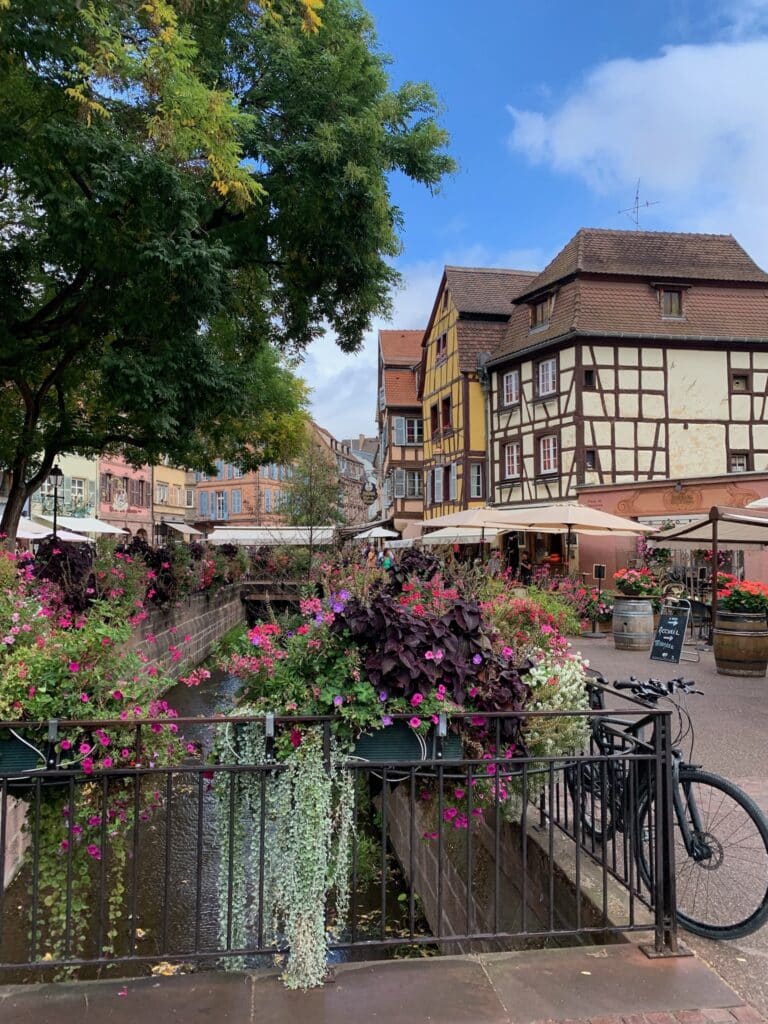
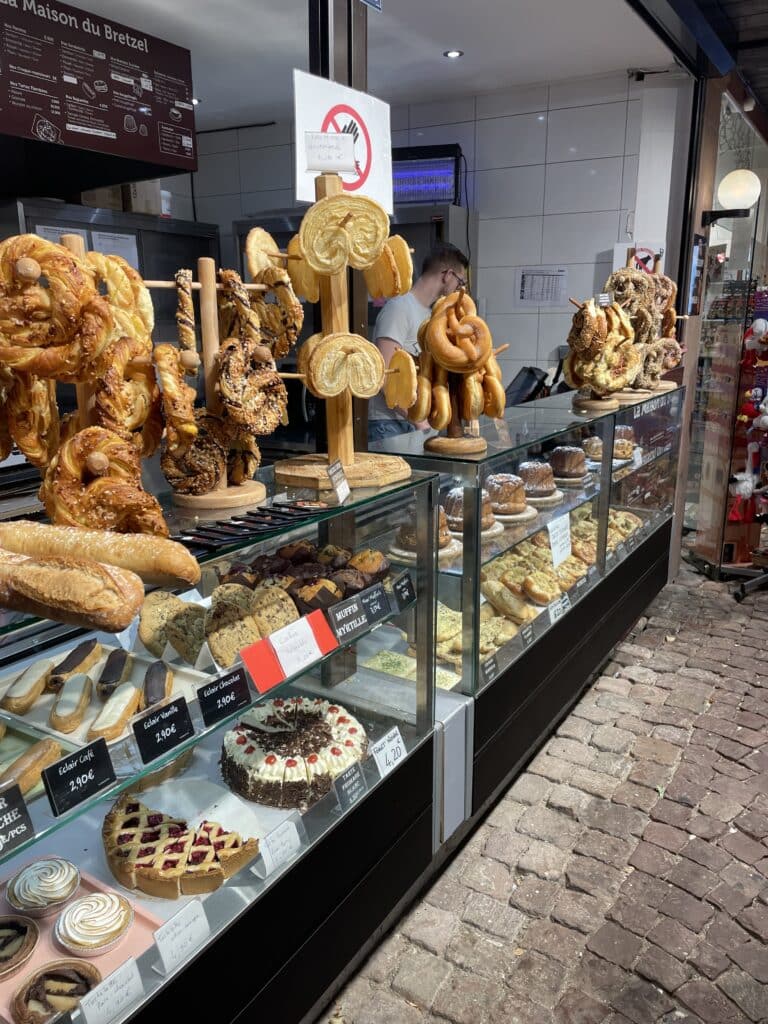
Cafe in Alsace.

Defined by terroir – winemaking in Alsace

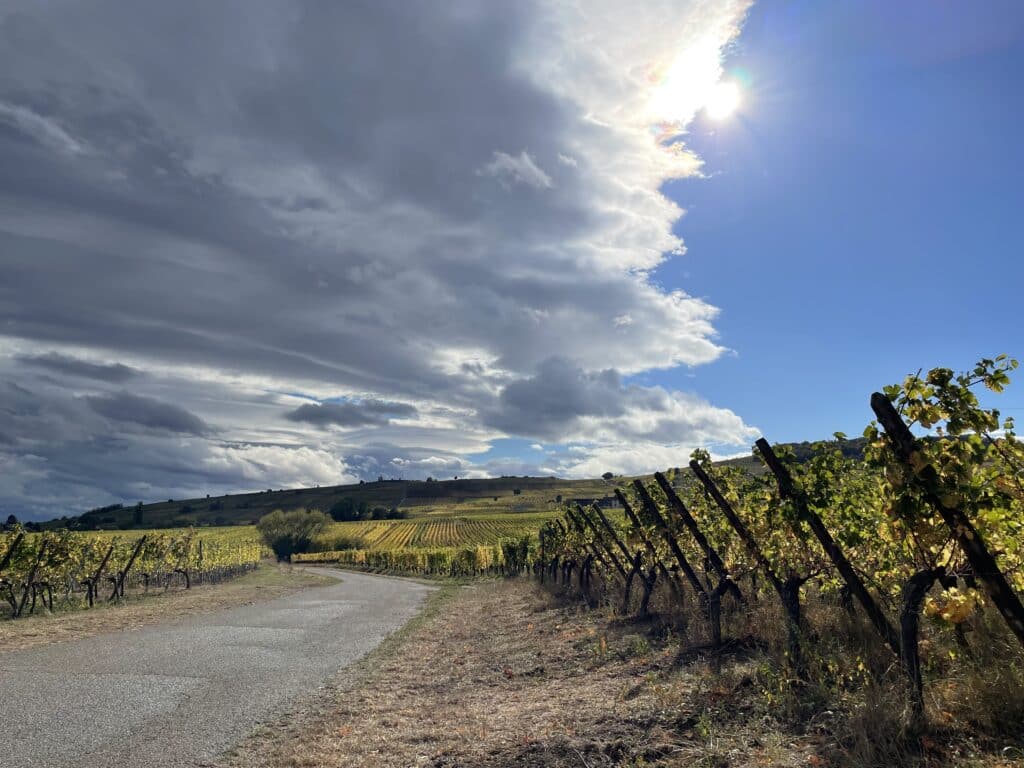
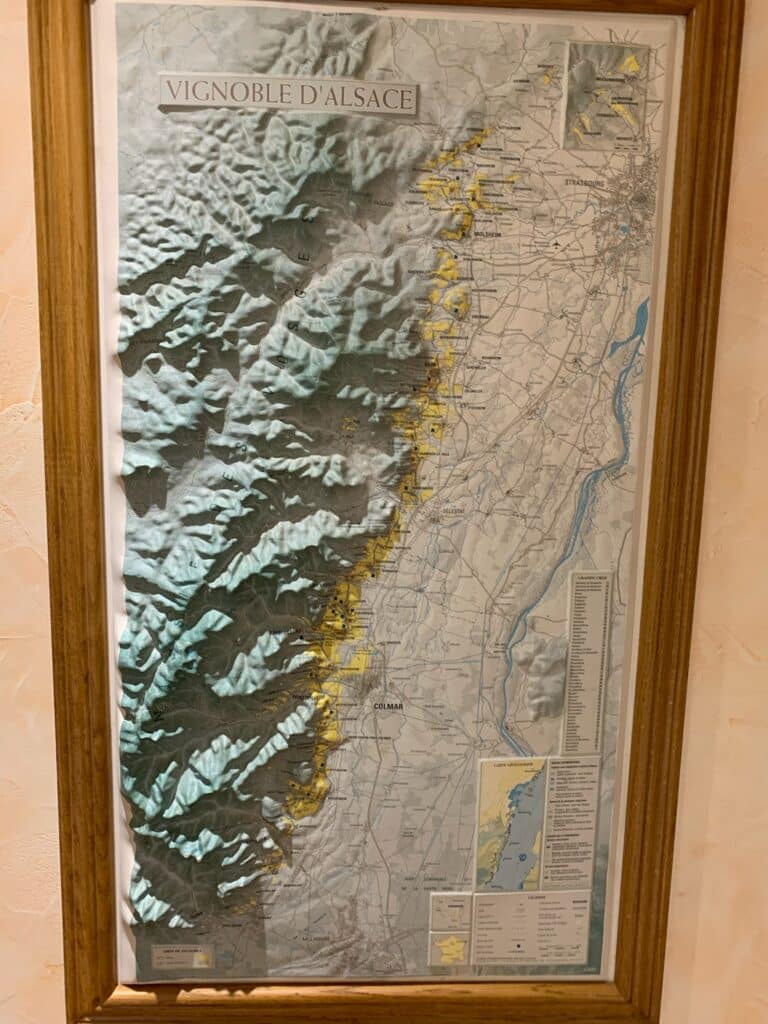
As I drove towards Alsace from the east, the view unfolding before me was exactly as the wine guidebooks described this French region. A sea of clouds nestled peacefully atop the Vosges mountains, creating a captivating horizon. Interestingly, Alsace is known as the driest part of France. Despite its northern location, the surrounding mountains bless Alsace with the most sunny days in the country, making it an ideal grape-growing region. Local vignerons (French for winemakers) certainly make the most of this advantage.

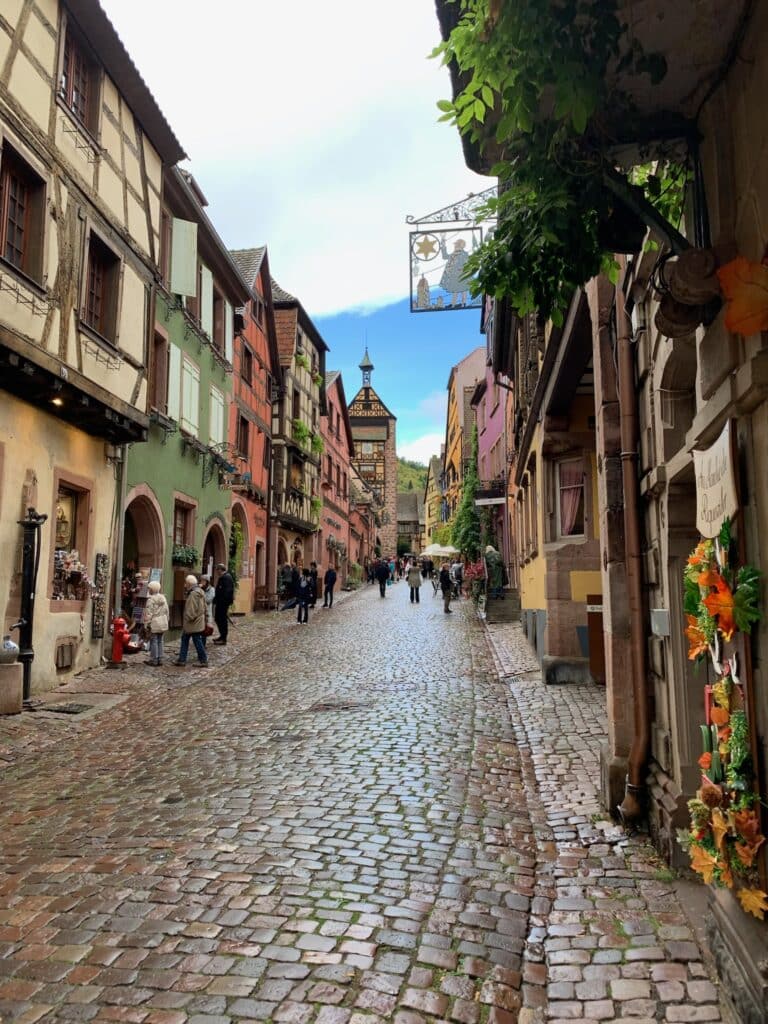
Crossing the German-French border around sundown, I was eager to delve into the complexities of this small yet intricate wine region. However, recalling my experience in Tuscany, I decided to start my exploration the next afternoon, as morning wine tastings are seldom a good idea. After a delightful lunch in our base town of Colmar, I discovered that Alsace was indeed everything the books and guides promised. Vineyards blanket every nook and cranny of the countryside, with large sections classified as Grand Cru – a designation for the highest quality of soil and environmental factors. The rolling hills, adorned with quaint mediaeval villages and towns, offered a picturesque, fairytale-like setting. The autumn palette of greens, yellows, and browns was simply breathtaking.

I had always regarded Tuscany as particularly notable for its abundance of vineyards and winemakers, but their sheer volume in the heart of Alsace was astounding. Along the Route des Vins d’Alsace (Alsace Wine Route), a winery appears nearly every hundred yards. This holds true for the towns as well. In Riquewihr, for instance, I discovered wineries in every other building, most offering casual, complimentary tastings. The maths was staggering: considering the average winery offers around 20 different bottles, the tasting possibilities seemed endless. I could easily spend a year here and only scratch the surface of this iceberg of wine.

But why so many different wines? This can be traced back to a specific winemaking philosophy ardently practised in Alsace. Here, a winemaker’s primary role is to subtly and naturally showcase the interplay between a grape variety and terroir.As a result, a single winery might produce several Rieslings, each from a different part of their estate. Local vignerons believe there are over 800 unique terroirs in Alsace, each significantly influencing the wine’s final character. Naturally, the most coveted plots are those within the Grand Cru vineyards.

Alsace is renowned for its white wines, which constitute 90% of its production. The main varieties include Riesling, Pinot Blanc, Gewürztraminer, and Pinot Gris, with Pinot Noir leading the red wine production. Striving for naturalness and a true reflection of the terroir, Alsacian winemakers minimise their intervention within the winery. This includes using wild yeast for fermentation and predominantly ageing wine in stainless steel tanks to avoid flavour alteration from wood. The wines, especially when young, are characterised by their pronounced acidity, lending themselves well to ageing – a trait more typical of red wines. Alsacian whites are usually very dry, pairing beautifully with the region’s German-influenced cuisine. However, producers have recently been experimenting with sugar content, particularly in Gewürztraminer and Pinot Blanc-based wines.

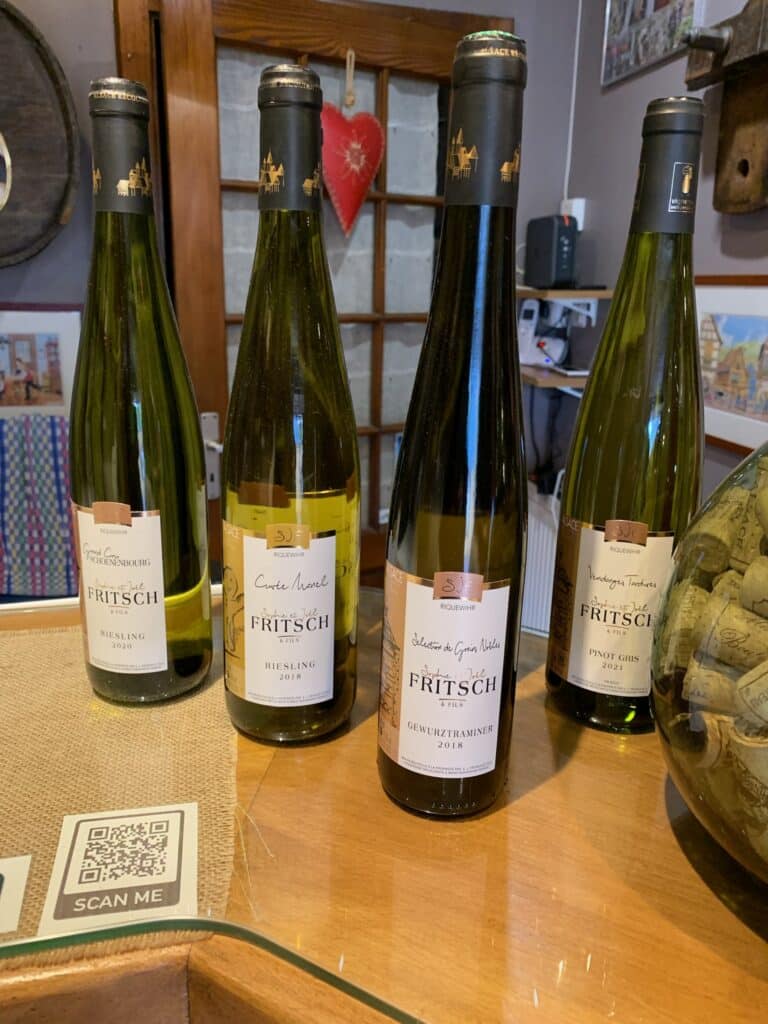
During my afternoon adventure, I visited three wine producers: Fritsch & Fils, Hugel, and Horcher. I chose a mix of small, family-run vineyards and the more renowned Hugel. Each tasting session provided a rich array of wines, with the Riesling category alone offering 3-6 different selections.

At Fritsch & Fils, who are on the smaller end of the spectrum, I tried their Pinot Gris, Pinot Blanc, and Gewürztraminer. The wines were a good representation of different grape varieties, though I initially found the high sugar content overpowering. These wines were approachable, but somewhat lacking in complexity. However, their affordability, with the most expensive bottle at just 10 €, was a plus.

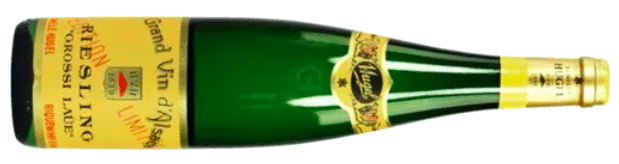
At Hugel, a leading winery in both scale and recognition, I embarked on a deep Riesling exploration. Despite being a large-scale family business, Hugel has maintained its quality, exporting over a million bottles annually to more than a hundred countries. Their Riesling collection ranges from 17.20 € to 175 € per bottle.

Riesling Estate 2019 had a sweet aroma of honey and fresh flowers. It was a very dry wine. I could taste some further honey and pepper flavours. The wine was elegant, complex and with a long finish. Acidity was less pronounced than in a typical Riesling. The next one, Riesling Grand Cru 2014, reminded me more of a “classic” Riesling. Lemon, lime and green apple notes dominated. In this bottle, the crisp acidity played a major role creating a powerful and full-bodied wine. While the higher-priced wines were exquisite, I pondered whether their nuances justified the cost for the average wine enthusiast.

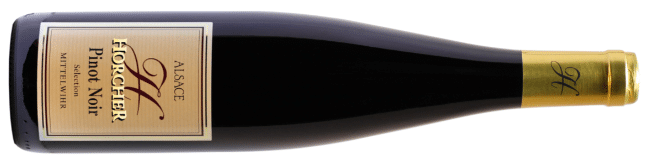
Horcher, a bit off the beaten path, offered an intriguing contrast with its two Pinot Noirs and two Crémant d’Alsace (local sparkling wines). The Tradition Pinot Noir was simpler and fruitier, while the Selection was richer and more nuanced. Their affordability made them great everyday reds. The Crémant d’Alsace and Rosé were spendid, buttery, and fruity, providing an excellent alternative to more expensive champagnes.

My days in Alsace were a magical immersion in a region that felt like a place plucked from a fairytale. The charming towns, delicious local fare, and, most importantly, the superb wines made it a memorable journey. Lost among the hills, I could only begin to fathom the hundreds of micro-terroirs that define this unique winemaking landscape…

Defined by terroir – winemaking in Alsace Read More »

×