hungarian wine

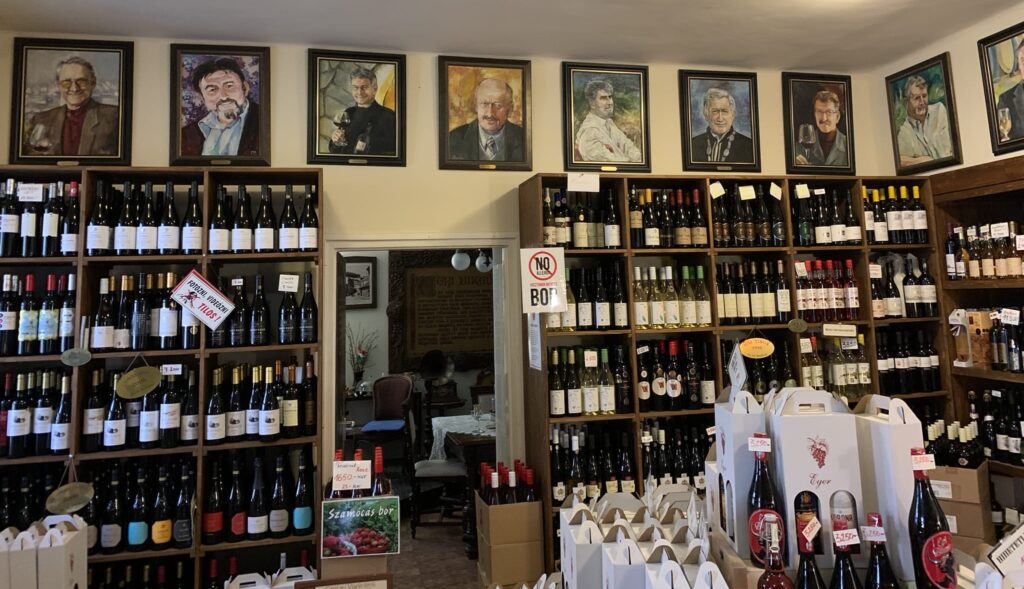
Wine shop in Eger.

Bull’s Blood in the 21st century – Eger, Hungary

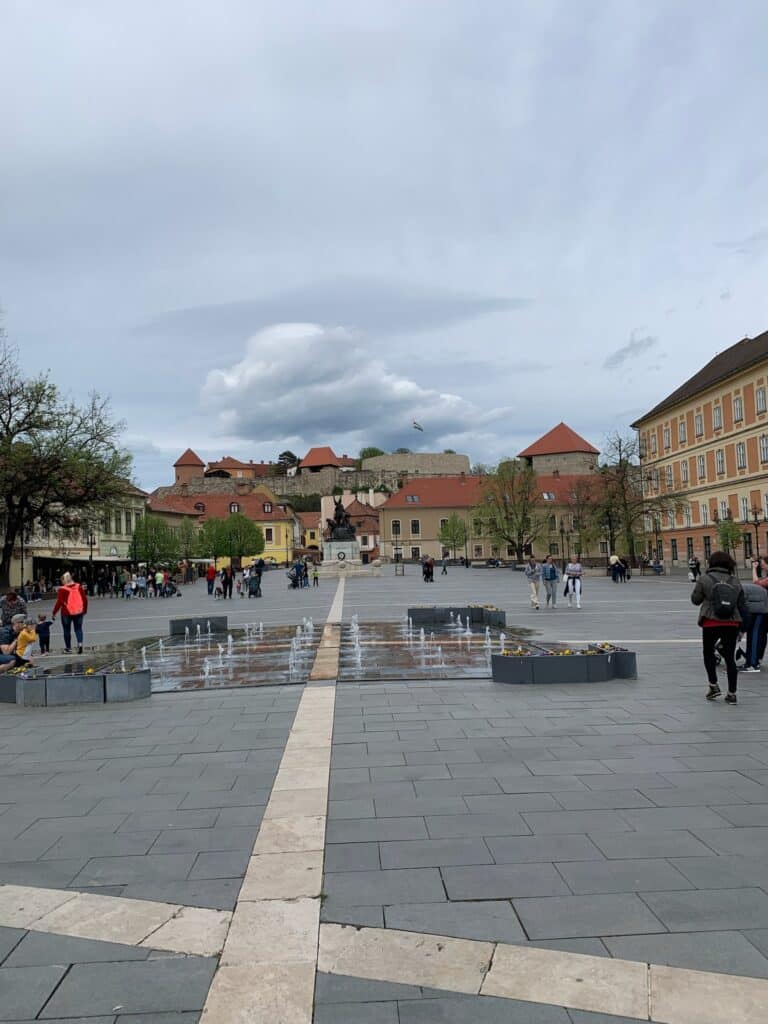
To feel a rebirth of the thermal baths, one must first embark on the path of self-destruction, wrote a famous culinary journalist Robert Makłowicz. A beautiful place to test this thesis is the wine town of Eger in Hungary. Located in the northern part of the country, it is famous for its numerous medicinal thermal baths and even more numerous wineries. The area is full of both. This time I invite you to unWined with me in the style of 19th century aristocracy. We will travel to an imperial spa town known for its healing waters, but we will definitely spend most of the time enjoying the local wines.

Speaking of wine, this is definitely an interesting region, especially thanks to the local appellation of Egri Bikavér, or Bull’s Blood. This name surely evokes some dreadful recollections for many people who had the opportunity to taste a wine with this label during the communist era (unfortunately, I missed out on this “treat”). One of the winemakers in Eger told me that in his youth, he used to drink Bull’s Blood only heavily diluted with cola. My father, upon trying it for the first time, decades ago, exclaimed that he would never drink wine in his life. He didn’t quite stick to his resolution, because since then he became a real wine enthusiast. Nonetheless, the traumatic memories remain…

So, is the current charm of Eger somehow associated with this abhorrent pseudo-wine? Not at all! Luckily, this unfortunate legacy is now a thing of the past. With the closure of the local conglomerate Egervin (they mass-produced truly nasty stuff), and as a result of political changes, smaller winemakers have returned to the region. They are keen to take full advantage of Eger soils, climate and resulting unique terroirs and once again create beautifully ageing, expressive, and complex wines. The winemaking tradition there dates back to the Middle Ages and was only temporarily disrupted in the twentieth century.

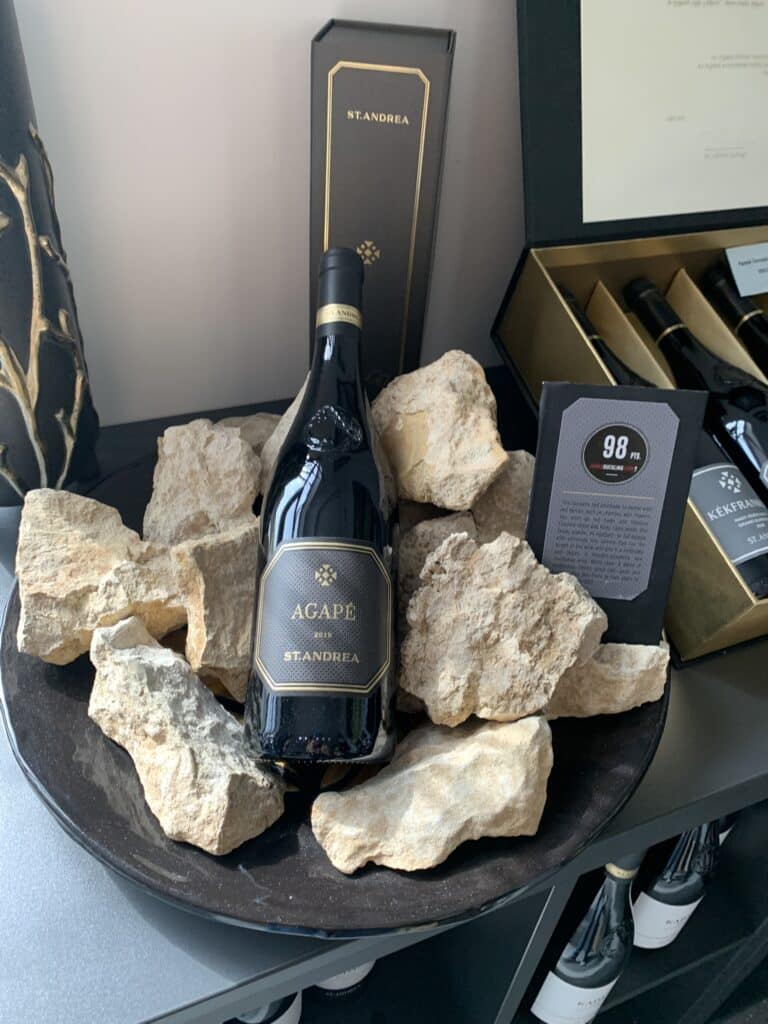
Tóth Ferenc winery illustrates the local history well. Mr. Tóth Ferenc was born into a winemaking family, who lost everything in the 1950s. In the 1980s, they began to rebuild slowly, and now Tóth Ferenc is a 25-hectare vineyard. This winery was a must-visit in my itinerary (I bought my first bottle from Tóth Ferenc at the Carpathian Wine Bar). Another place I would like to mention is St. Andrea. According to world critics, this winery produces the best wine in Eger – St. Andrea Agapé.
Before we delve into specific wines from both wineries, first a few words about the region’s trademark – Egri Bikavér (Bull’s Blood). This red wine must be composed of at least three and a maximum of thirteen grape varieties. The base is always Kékfrankos (also known as Blaufränkisch). Other commonly added varieties include Merlot, Cabernet Sauvignon, Syrah, Pinot Noir, and Kadarka. There are three tiers: Classicus, Superior, and Grand Superior. Depending on the chosen blend, different versions of Bull’s Blood vary in the quantity of grapes used for production and the ageing method. These ultimately determine the final designation of the wine.

And now, the Egri Bikavérs I’ve tried:

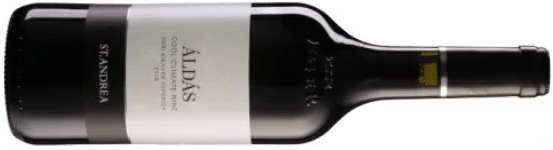
Áldás, Egri Bikavér Superior, St. Andrea, 2022 – this is the basic Egri Bikavér from St. Andrea, created from a blend of various terroirs, all of which include volcanic soils. This wine is composed of seven different grape varieties. It has an intensely fruity aroma. The taste is dominated by redcurrant and red cherries with tolerable acidity. Fairly soft tannins make it easy to drink despite its young age.
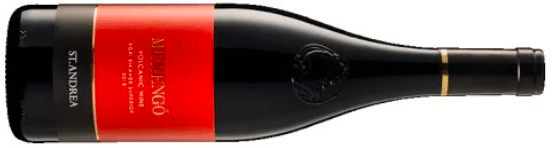
Merengő, Egri Bikavér Superior, St. Andrea, 2021 – despite being in the same class as Áldás (Superior), this wine is definitely of  higher quality. It is full-bodied and more structured. Flavours of redcurrant dominate but tobacco, dark chocolate, and black pepper also come through clearly. It’s a more complex and elegant wine. The tannins are tolerable, although still quite green. The wine will definitely become more enjoyable as it ages.
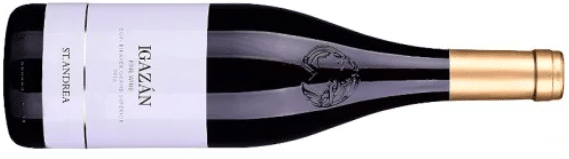
Igazán, Egri Bikavér Grand Superior, St. Andrea, 2016 – here we have a Grand Superior wine. It comes from a selected terroir, located on a hill with limestone soils. In some regards, the wine is similar to its younger equivalents – it possesses freshness and significant acidity. Equally, you can just feel its maturity and refinement. Ripe black fruit flavours dominate, with more pronounced plums and blackcurrant.
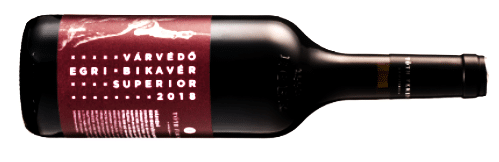
Várvédő, Egri Bikavér Superior, Tóth Ferenc, 2018 – Tóth Ferenc’s wines were characterised by piercing acidity. This six-year-old wine, despite spending two years in the oak barrels, and having 15% alcohol content, preserved an interesting freshness. The wine is well-structured with a full body. On the nose there are very vivid notes of the forest floor and wet wood. In addition to blueberries and blackcurrant, there are also distinct notes of cocoa.
Síkhegy, Egri Bikavér Grand Superior, Gál Tibor, 2018 – Grand Superior class at a very reasonable price. The wine, as befits this category, is complex, elegant, and well structured. Selected from the Síkhegy terroir dominated by clay soils, it is a blend of five grape varieties. The palate flavours is a swirl of plums, blueberries, but also freshly ground coffee and bonfire smoke.
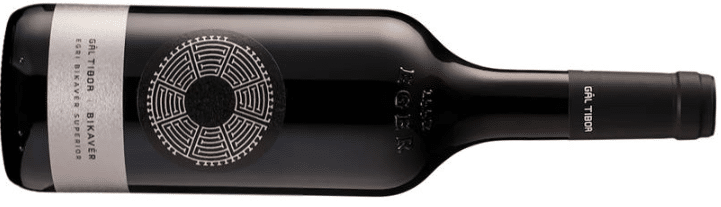
Egri Hegybíró Bora, Egri Bikavér, Dula Pincészet, 2012 – the oldest Egri Bikavér I had a chance to try during this trip. The price (less than 12 ​​€ in store, and around 14 ​​€ in a local restaurant) was as surprising as what I encountered after opening the bottle. Although due to its twelve years, the wine has become palatably lighter, it still maintained complexity and nuances of different flavours. Dark chocolate and wet earth notes dominated, but I still detected distinct flavours of plums and brambles. It paired magnificently with rabbit and venison dishes! I highly recommend it. By the way, the food and drinks prices in Eger are very friendly to a Polish pocket, so even better to a Western one!

What about those thermal baths and the treatment then? I must say that after two days of intensive tasting, a trip to the hot springs by a naturally occurring salt hill (a mini version of the Turkish Pamukkale) did the trick. After three hours spent soaking in sulphur-smelling waters, while basking under the strong April sun, I emerged like a newborn, ready to attack a few more really good bottles of Bull’s Blood. I hope Mr. Makłowicz would be proud of me.
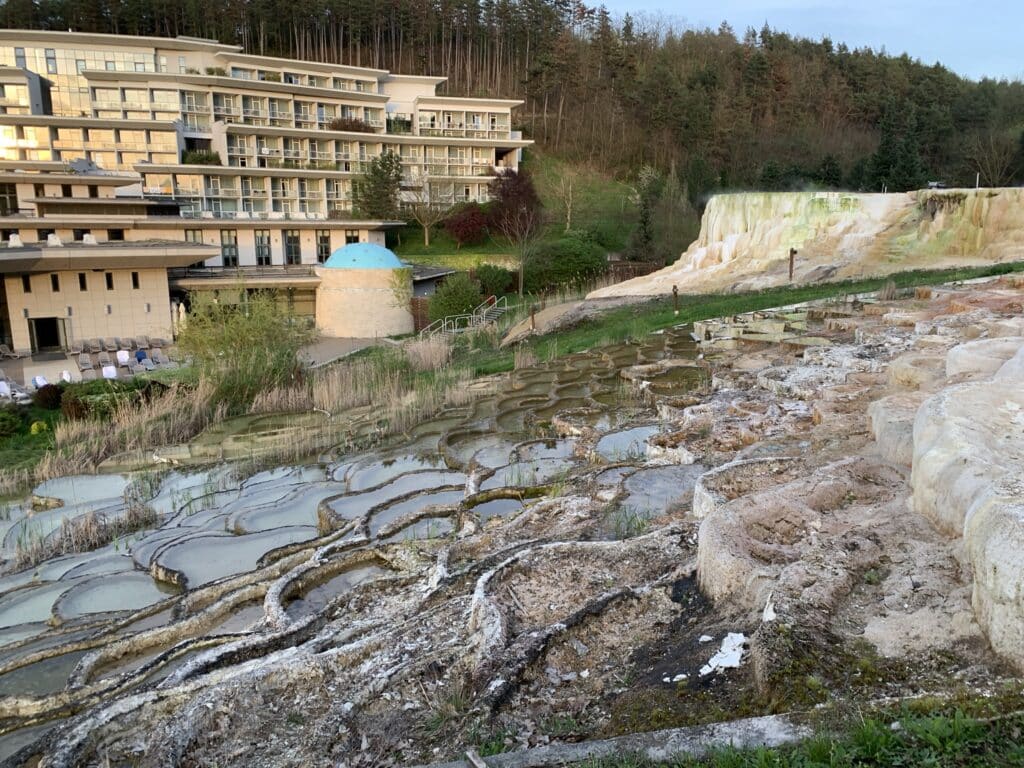
Bull’s Blood in the 21st century – Eger, Hungary Read More »
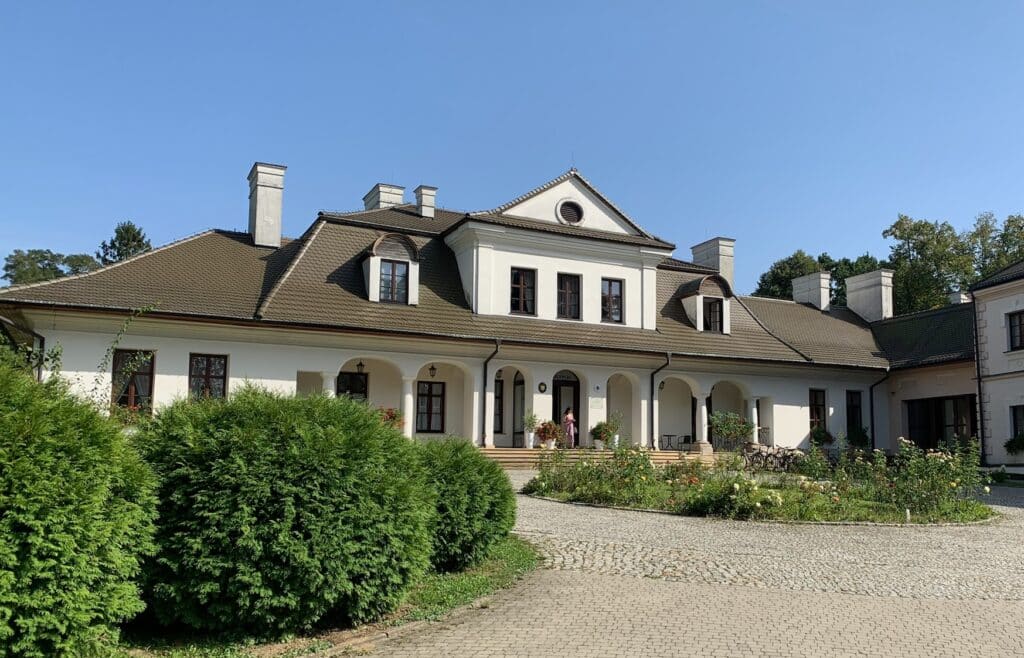
Dwór Kombornia.

Carpathian Wine Bar

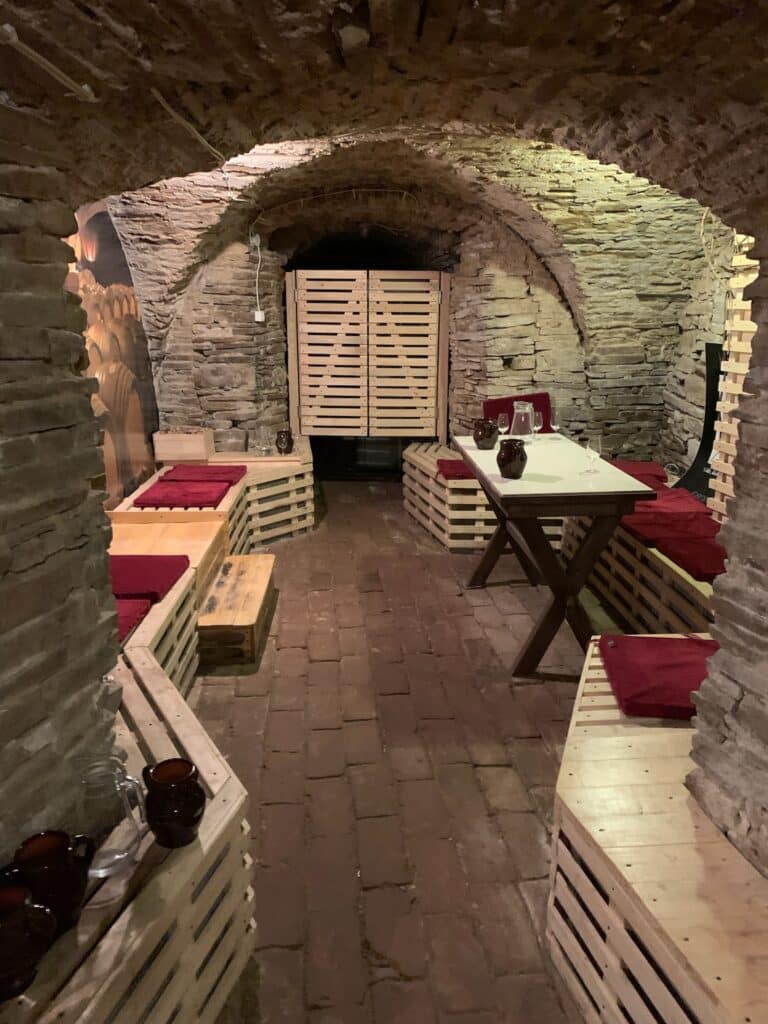
We’ll make our start in a place that’s probably totally alien to many people and definitely not associated with wine, i.e. a Sub-Carpathian region in Poland! One summer day, we found ourselves in a city called Krosno in Lower Beskid in Southern Poland. From Krosno, we made our way to a nearby village of Kombornia with an 18th century manor house at its centre. The surrounding area can actually boast quite a few of those, which isn’t always the case in this strange country wrecked by two world wars and 50 years of communism. There was a certain serenity in this idyllic countryside setting. Although the house had been renovated and the exterior presented itself quite well, inside the effects of refurbishment were slowly fading away. It felt dated and not necessarily in a nice way. However, Kombornia Manor has one little gem hidden away inside a small hill on the estate’s grounds. This is where we found the Carpathian Wine Bar (or Salon, own translation; original Salon Win Karpackich).

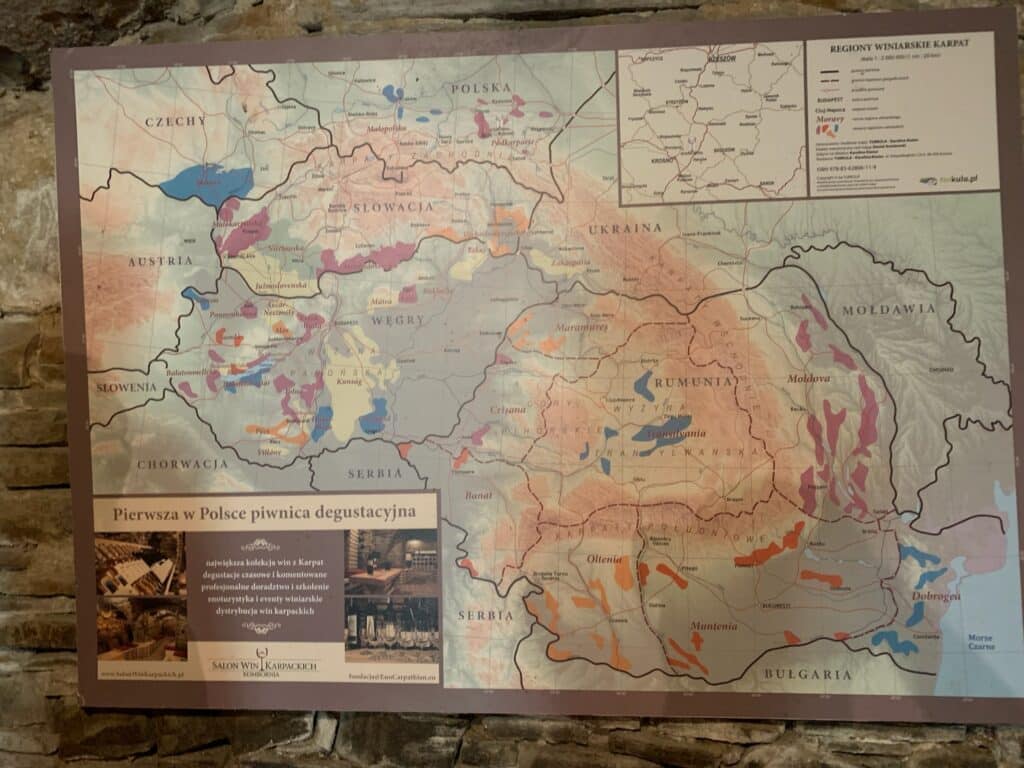
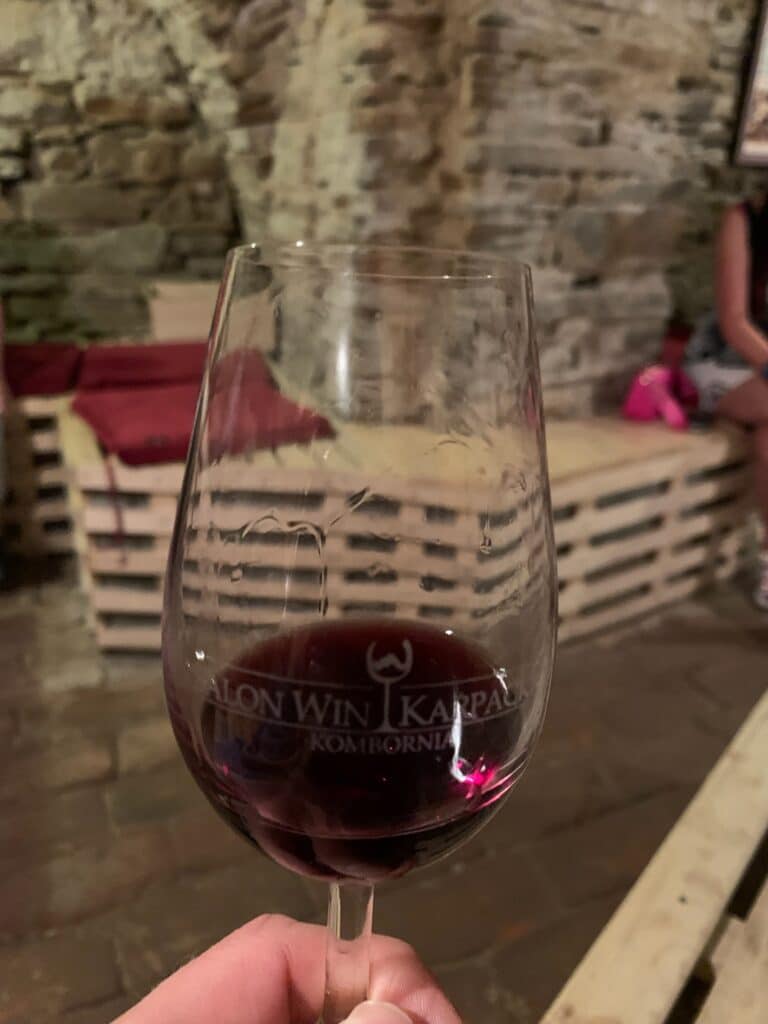
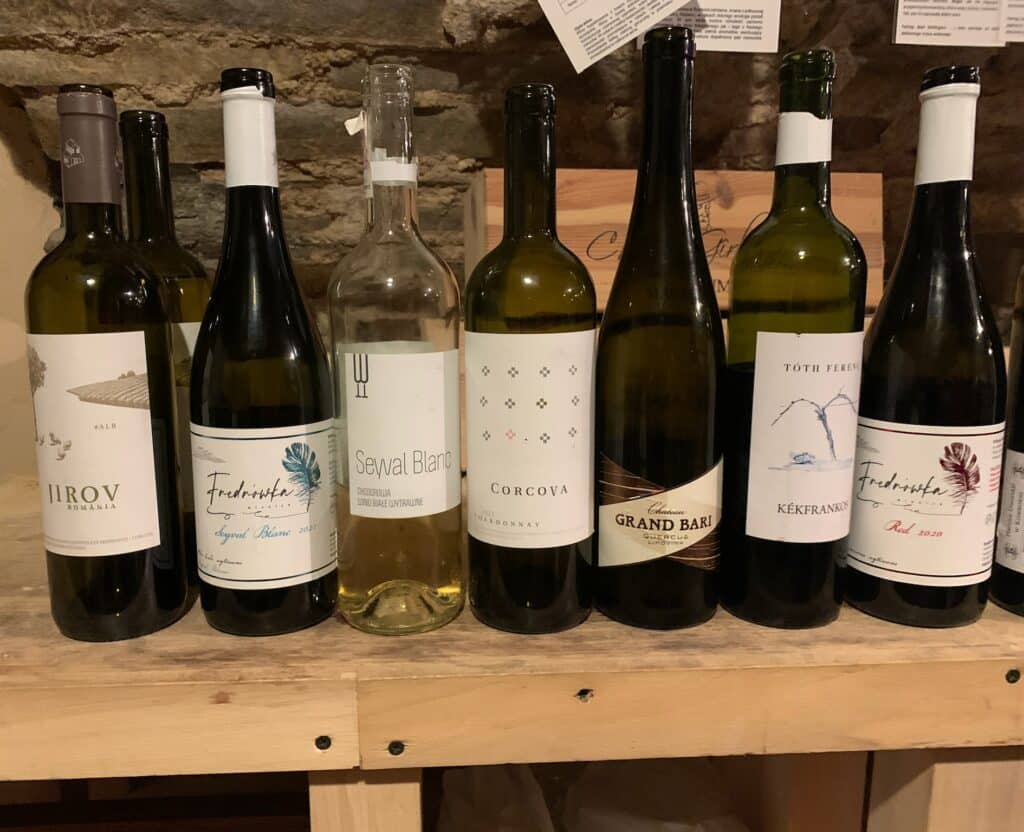
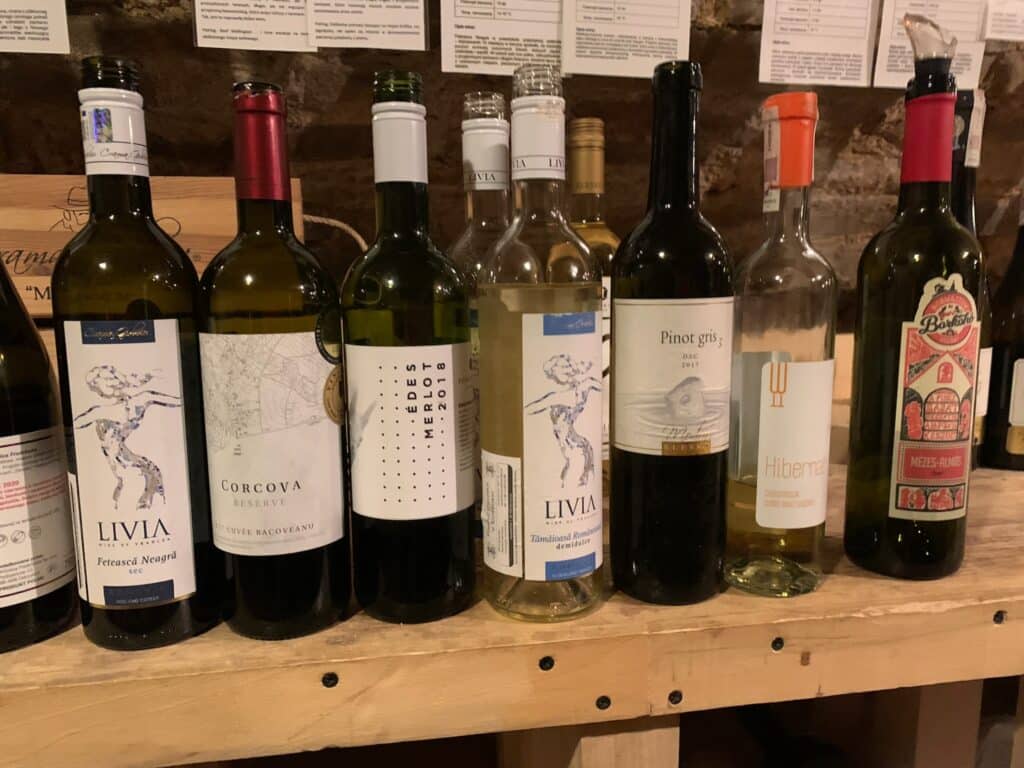
The Salon is actually a large cellar. We immediately felt the temperature drop as we entered. Interior was definitely cooler and more humid than outside. Upon entry, we were welcomed by rows of wine bottles, which can be purchased later if anything catches the visitor’s eye. At the end of the corridor, we spotted a huge map illustrating the concept behind this Salon. Carpathian mountains were snaking through 8 countries in Eastern and Central Europe. We didn’t have the time to linger as Ryszard Skotniczny saw us to our places around the corner where the usual tasting set up of wine glasses and spitters was waiting for us. Ryszard created the Salon and incidentally also owns the whole place! He quickly gauged the collective wine experience and knowledge of the group and took us on a crazy wine journey through the Carpathian region.

We flew through Slovakia, Moldova, Romania and Hungary. We sometimes made a quick jump back to our home country, Poland. “Fly” seems like an appropriate term since we tasted 14 wines in less than an hour! The variety of wines was mind-blowing. We tried quite revolting attempts at a proper red wine from nearby wineries, way too sweet Romanian juice-like concoctions, but also delightfully complex aged white wines from Slovakia. We experienced some classics from Eger with rounded tannins and earthy notes that showed a great promise. “It’s not my goal for you to like every wine you taste today” Ryszard cheerfully explained. “After all, you all have different preferences and tastes, which makes it an impossible job. However, what I can do instead is to demonstrate the variety of what you can find in this wonderful region”. I really start to appreciate this approach given that quality is a relative concept, and it definitely helps to try wines made more skilfully and those which were given less attention by the winemaker. This is how we build up our mental library of flavours and likes, that ultimately helps us find and refine what we enjoy most. It’s also quite a refreshing and honest approach. Whenever I visit a winemaker directly, they will never admit that they have given a mediocre flavour to some of their wines on purpose in order to squeeze out as much as they can from their harvest and offer the wine at a budget price.

After the tasting, our sommelier and host was very generous with his time. We lingered on and chatted about decent local wineries and exchanged ideas for future wine trips to Hungary. Although we liked quite a few wines, we left the Salon with just two bottles. After a recent trip to Tuscany (watch this space for more details!) storage at home remains a bit of a challenge so I needed to be reasonable this time around.

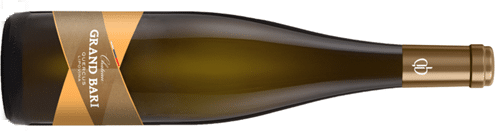
The first bottle is a white wine, a 2016 Quercus Lipovina by Chateau Grand Bari from Slovakian Tokaji. Slovakian Tokaji? You might be wondering if I accidentally mixed up some countries. Definitely not! We learn that while Tokaji is a historical region that’s mostly associated with Hungary, its northern edge is actually part of today’s Slovakia. The wine itself is delightful and has aged very gracefully. It has a rich nose dominated by a lime tree honey with a hint of petrol. The wine is definitely full-bodied, well-balanced and complex. I detect honey, a bit of citrus fruits and even some pineapple. The finish is long and satisfying. It’s available for just 55 zł (c. £10).

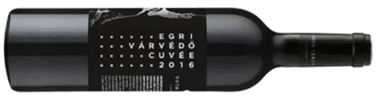
The second one is a red wine, a 2016 Varvedo Cuvee by Toth Ferenc from Eger, Hungary. During the tasting we tried a Kekfrankos from the same winemaker but unfortunately that one was out of stock so I took a risk and went for Varvedo Cuvee. The bet definitely payd off! This classic Bordeaux blend (Cabernet Sauvignon, Cabernet Franc and Merlot) is a very pleasant medium bodied wine. I smell strong earthy notes supplemented by red fruits. On the palate chocolate and oaky notes dominate, but I can also taste some plums and blackberries. It definitely benefits from decanting it for 30 minutes or so. This one comes at 100 zł (c. £18).

The Salon is definitely a very interesting place and a thought-provoking idea. Rather than focus on a single country, the idea is to present the variety of wines and winemakers united by a mountain range spanning numerous countries. Although they produce different wines and are separated by national borders, in a way, they probably have more in common with each other than some winemakers from France or Italy or even winemakers from their home countries which do not feel the influence of the mountains. The Salon allows its guests to explore quite niche wines. Many of them are quite basic but every now and then we can find a real treat at a very reasonable price. We explored a true variety of wines, but for me it worked quite well because of the uniting concept behind the selection. What a contrast to some introductory tastings where we are asked to try a white from New Zealand, then a red from Chile and go back to the old good Bordeaux again. We might taste some wines but we learn very little. We also enjoyed the format of the tasting – it was a snappy, sensory experience with limited theoretical lectures. I believe anybody could enjoy it regardless of their “wine experience”. I definitely recommend it to anybody who finds themselves in this region!

Let’s also mention that the area, especially the city of Krosno, is famous for glass making. The local museum is a great way to learn more about the history of this craft and industry, but also purchase some unique hand-made goods. I also recommend an outlet shop from Krosno company (confusingly named exactly the same as the city!), where high quality wine glasses, decanters, and other glass items can be purchased at very reasonable prices. The boot of my car was definitely full of wine glasses as we all know there’s never enough of them. I wonder, what will fill them in the future? Cheers!

Carpathian Wine Bar Read More »

×