italian wine

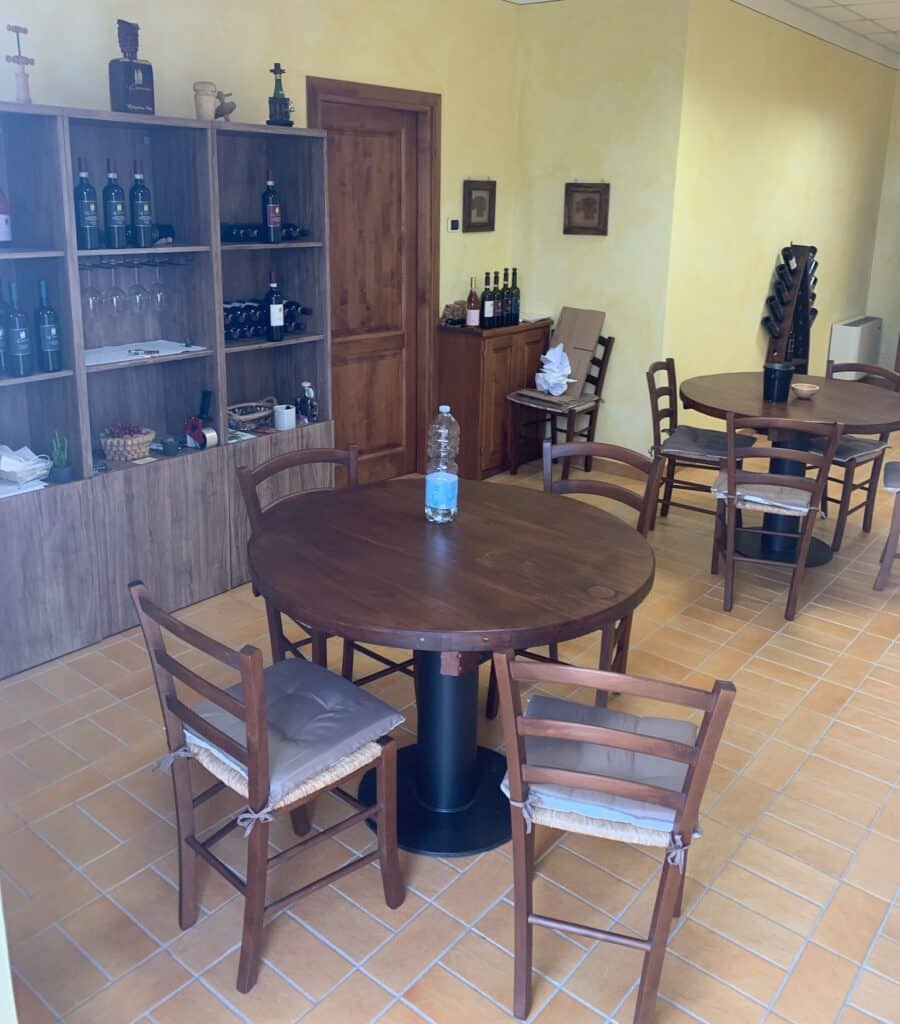
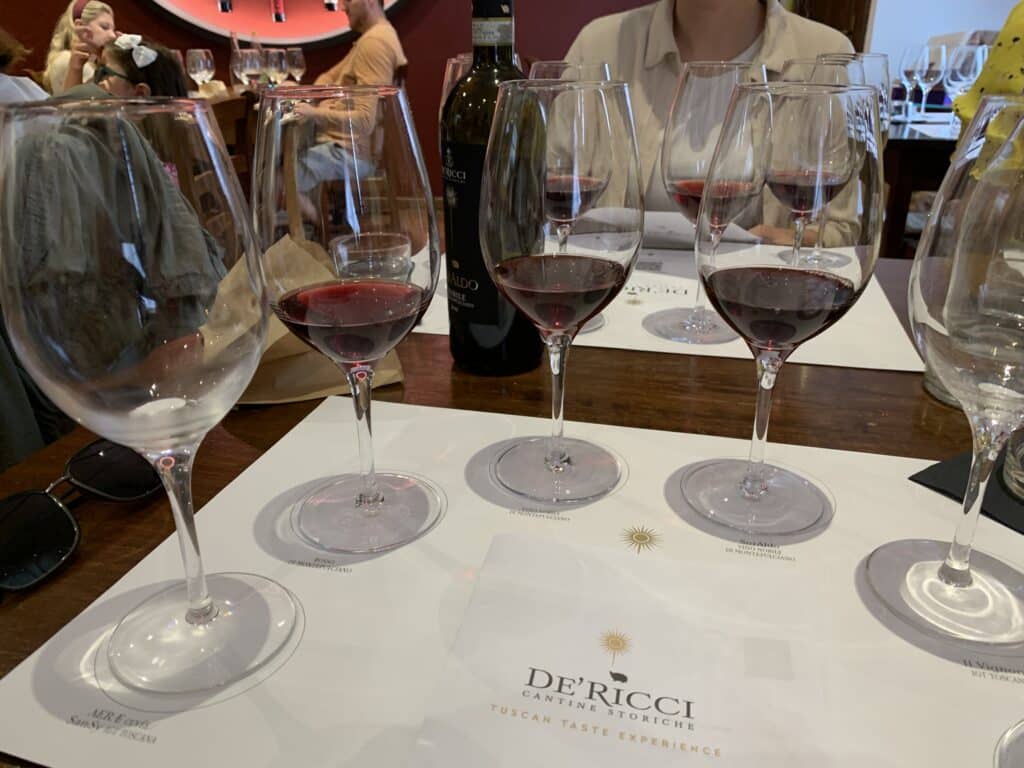
Tasting set in De'Ricci.

Secrets of the Montepulciano hill – Tuscany, Part 2

Well-hidden bounty

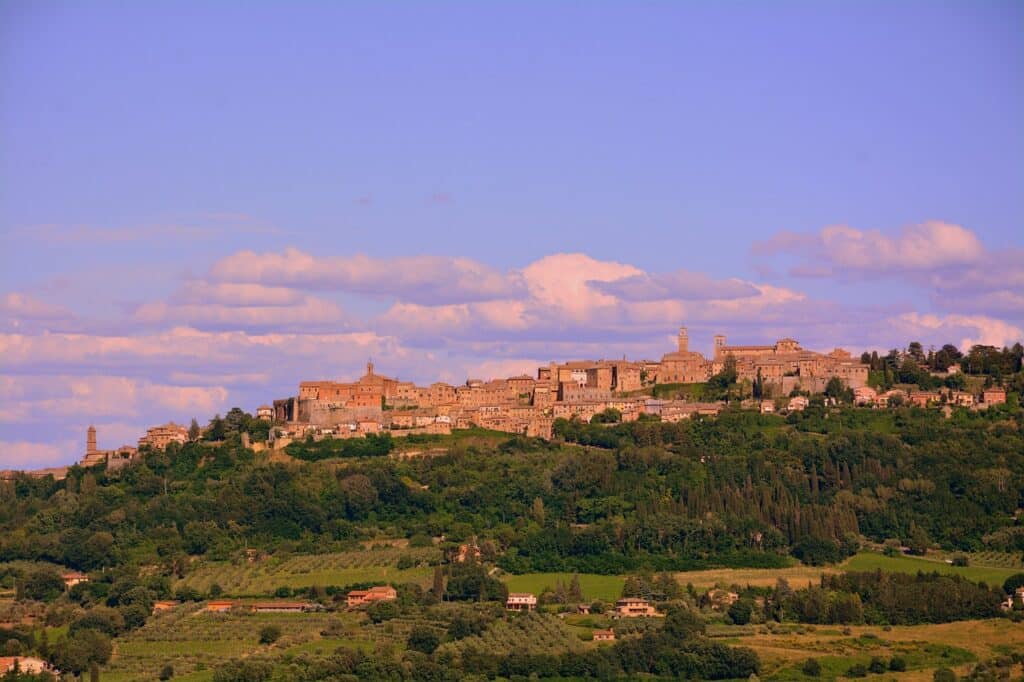
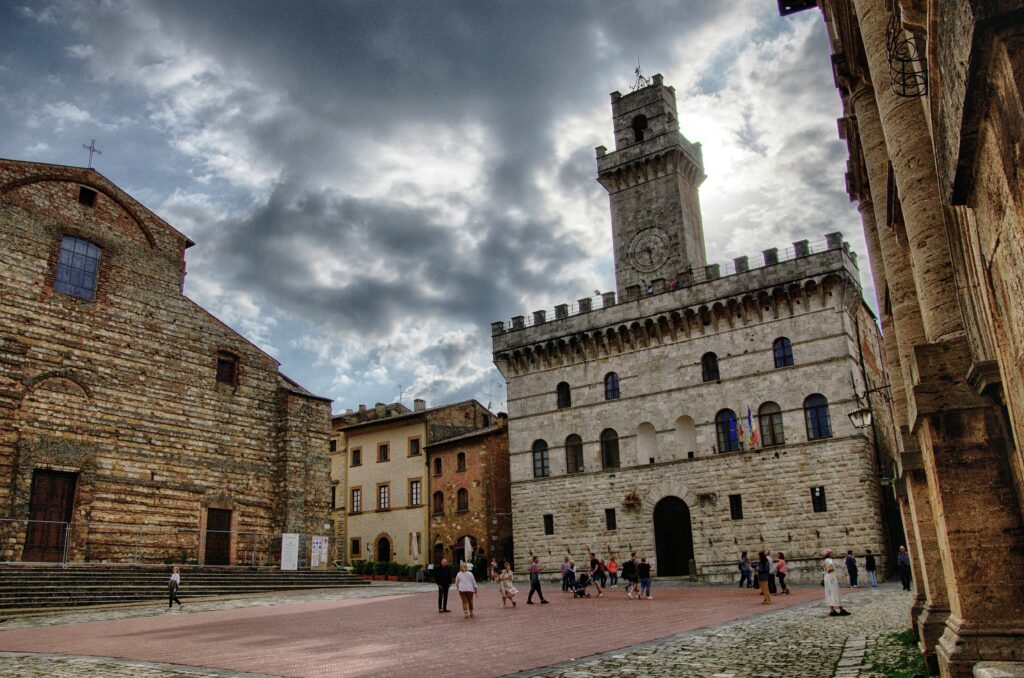
As I mentioned before, I Cipressi was just an introduction to Vino Nobile di Montepulciano. After a very pleasant morning, our group headed to nearby Montepulciano, the very centre of this wine appellation. Montepulciano is a typical Tuscan town – very charming, with a long history and its own list of local legends. It goes without saying that it boasts a wide array of local culinary delights and drinks. In the typical fashion of this part of Italy, Montepulciano is perched on a hill. What’s not immediately apparent, however, is what happens within the town’s rock. The interior of the hill resembles Swiss cheese. It’s full of caves and cellars carved into the rock by local winemakers over the centuries. These tunnels create ideal conditions for storing wine. These Italians certainly had a clever idea to hide and preserve their wine bounty in this manner!

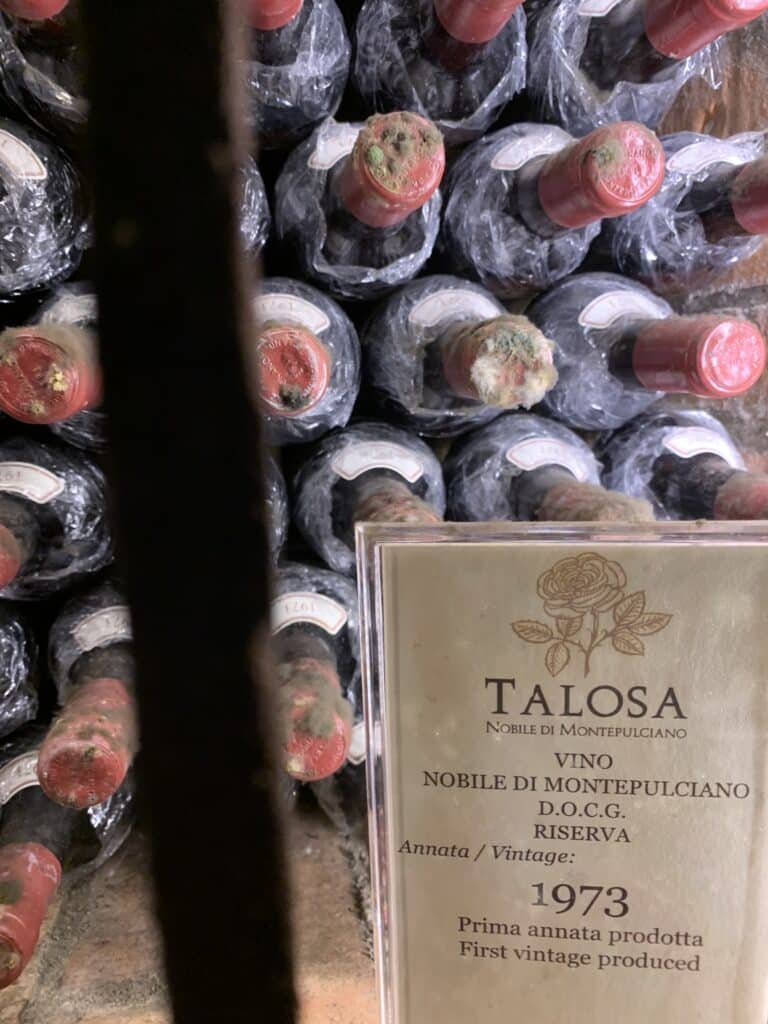
We wandered around the town a bit, had lunch, and visited a few wineries to check out their cellars and compare different expressions of the same DOCG. I recommend the Talosa’s cellars, which can be visited free of charge. There were some quite old Talosa wine bottles on display, I really liked that (picture below). We also stopped by Contucci – a nice and affordable wine bar.
The main event – De’Ricci winery

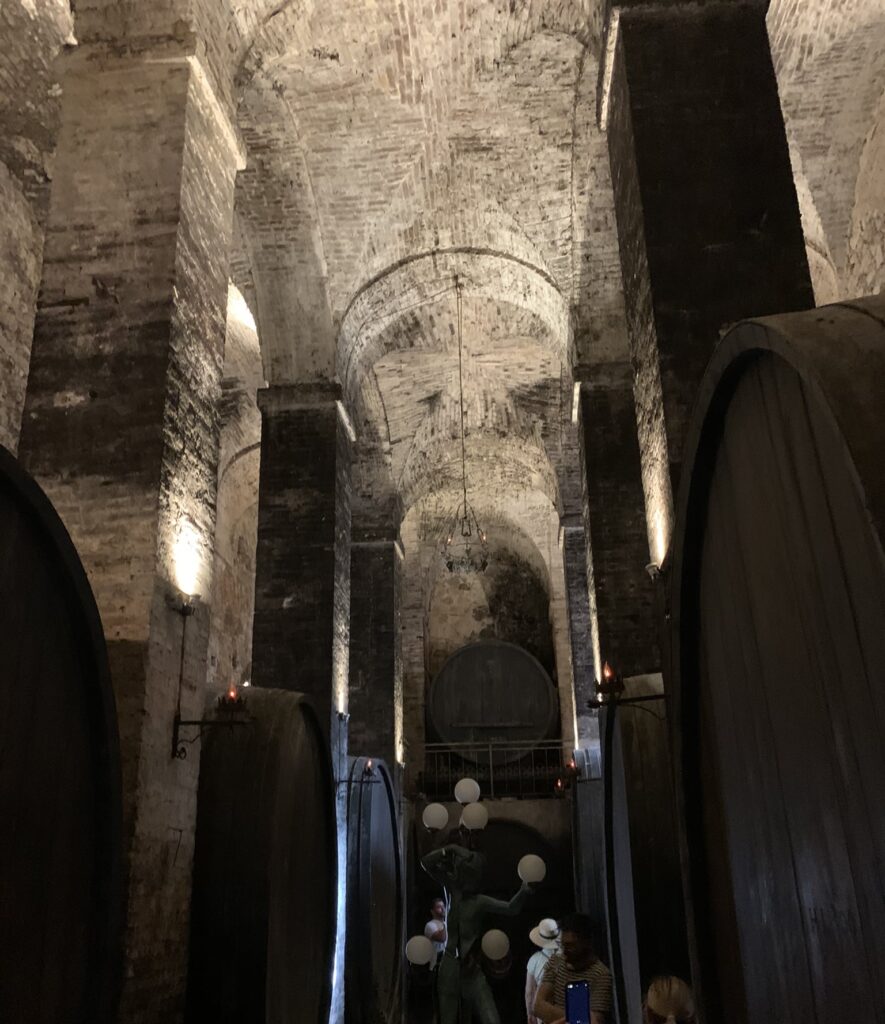
To be fair, until now, we were just killing time waiting for the main event of the afternoon. That special treat was a tour of the legendary De’Ricci winery, an outstanding place famed for their Wine Cathedral. The long history of the De’Ricci winery dates back to the 14th century, although the first cave on this site was supposedly dug by the Etruscans themselves! About two hundred years after its founding, new storage space was added and the renowned De’Ricci Wine Cathedral was built. The architecture of this exceptional cellar makes its name self explanatory. The space gives an unmistakable impression of a three nave, underground church. But instead of rows of pews and worshippers, you’ll find stacks of giant wine barrels.

There’s a local legend associated with this cave/cellar. It’s a story about the mythical ancestor of the De’Ricci family. Apparently, in the 12th century he lived in that cave. It was said that he had an incredible gift for predicting the weather. Since he was never wrong, more and more townspeople sought him out to learn about upcoming storms or fair weather. Word of him eventually reached distant Vatican City. The Church accused him of black magic which was punishable by death. The hermit decided that his secret wasn’t worth his life and revealed the source of his prophetic abilities. He claimed that every morning he was looking at a hedgehog living nearby. Whether the animal looked up toward the sun or not, it was a sign for him to judge the weather for that day. This man was nicknamed Riccio (Italian for hedgehog). De’Ricci family name is linked to that ancient nickname. Hedgehogs are not my speciality, though, so let’s get back to wine!

Our visit in De’Ricci, of course, included a guided tour of the cellars. We learned about the distant and not-so-distant history of the family. I would highly recommend the tour. Even those in our group who weren’t that bothered about wine really enjoyed it. The highlight of the tour was a guided tasting of six wines, accompanied by Italian cheeses, meats, bread and olives.
The De’Ricci wines

We started with Aerae Brut 2021 (13 €). It’s an interesting one. Aerae is a sparkling wine made entirely from Sangiovese, Tuscany’s main red grape. No surprise, the family hedgehog proudly occupies the centre of the label! As for the wine itself, it was okay. The main notes were citrus coupled with a bit of green apple. It was an interesting novelty, but certainly not a sparkling wine that will take the world by storm.

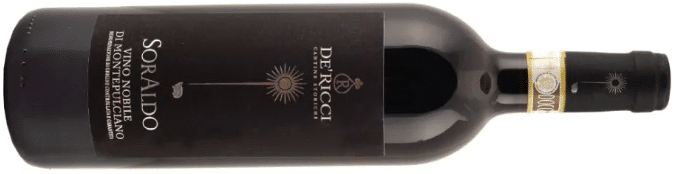
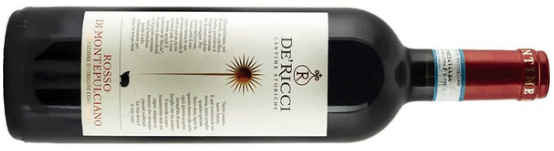
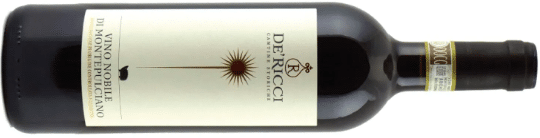
Next, we went through the classics of the appellation: Rosso di Montepulciano 2021, Vino Nobile di Montepulciano 2019, and a more refined version of the latter, called Soraldo (also 2019). The wines were good, improving within the hierarchy as expected. They exhibited balance and body that showcased their quality well. From the bottle of Rosso, I could taste red fruit like red currants, raspberries, and cherries. With each subsequent bottle, oak and vanilla notes emerged, enriched by wet earth and smoke. I can wholeheartedly recommend these, especially to fans of this style of wine.
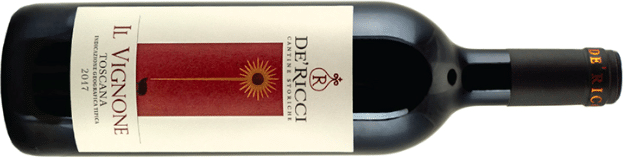
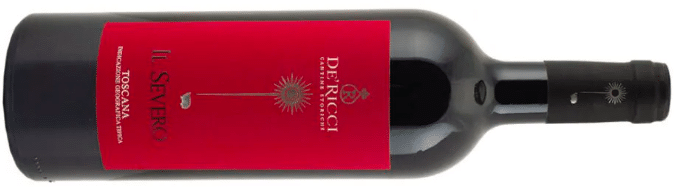
Na koniec spróbowaliśmy dwa Super Tuscany. Te wina zaklasyfikowano jako IGT Toscana i wykonano z międzynarodowych szczepów, głównie kojarzonych z Bordeaux. Il Vignone 2019 to blend Merlot, Cabernet Sauvignon i Petit Verdot. Il Severo 2018 to 100% Merlot. Dość nietypowo, Il Severo robione jest z różnych szczepów w różnych rocznikach w zależności od jakości plonów, tak żeby uzyskać jak najlepsze wino. Szczepy wybierane są spośród Merlot, Cabernet Sauvignon, Petit Verdot i Syrah. Super Tuscany były całkiem niezłe, z dominującymi nutami śliwek i jeżyn. Dzięki dębowym beczkom pojawiły się też dodatkowe nuty tytoniu czy gorzkiej czekolady. Mimo to nadal nie zdołały mnie przekonać, że warto jest inwestować w nie-wloskie szczepy we Włoszech.

Finally, we tried two Super Tuscans. These wines are classified as IGT Toscana and are made from international varieties mainly associated with Bordeaux. Il Vignone 2019 is a blend of Merlot, Cabernet Sauvignon, and Petit Verdot. Il Severo 2018 is 100% Merlot. Quite unusually, Il Severo is made from different varieties in different vintages, depending on the quality of the harvest, with the aim to produce the best possible wine. The varieties are chosen from among Merlot, Cabernet Sauvignon, Petit Verdot, and Syrah. The Super Tuscans were quite good, with dominant notes of plums and blackberries. Thanks to ageing in oak barrels, additional notes of tobacco and dark chocolate emerged. I enjoyed Il Vignone and Il Severo, but they didn’t manage to convince me that it’s worth investing in non-Italian varieties in Italy.
I’m afraid I am not finished with Tuscany just yet

After the tasting in De’Ricci we were finally done for the day. It was fun to explore Montepulciano and the area with the family. Particularly enjoyable was getting acquainted with the famous Vino Nobile di Montepulciano appellation. From modern, luxurious wineries to small family farms, in Montepulciano you can experience the full range of wine-themed adventures. The incredible underground wine temple of the De’Ricci family was an unquestionable showstopper of today’s journey to unWined. Naturally, as befits even a short Tuscan vacation, there was much, much more wine. Stay tuned – we’ll likely need a part 3!

Secrets of the Montepulciano hill – Tuscany, Part 2 Read More »
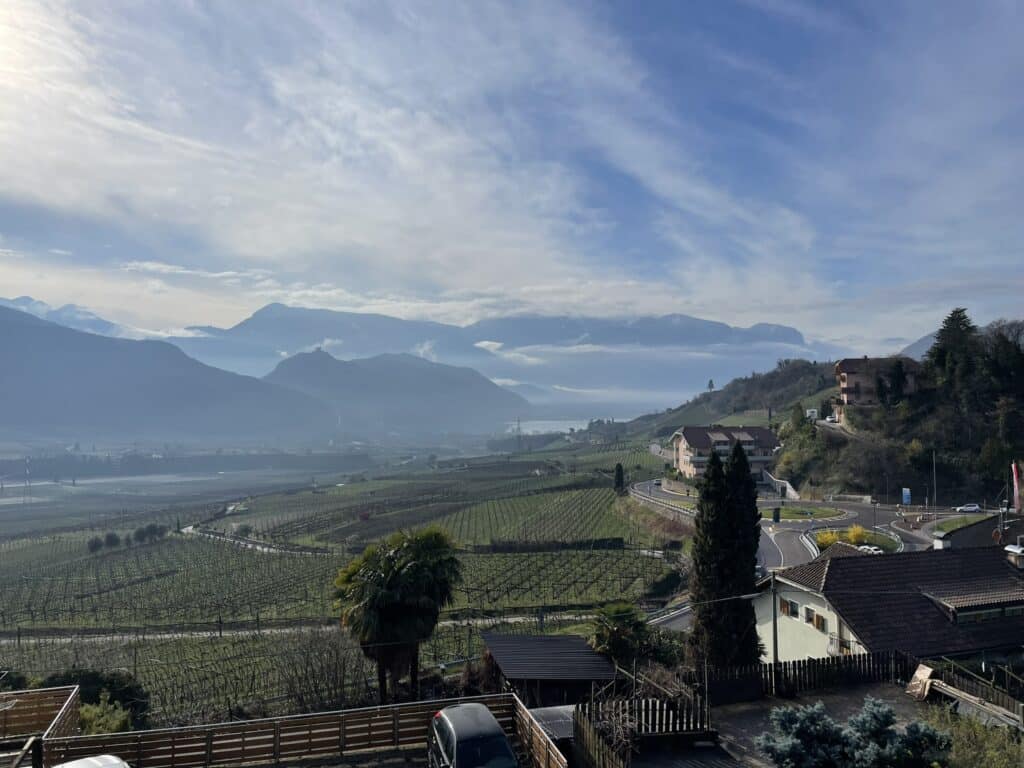
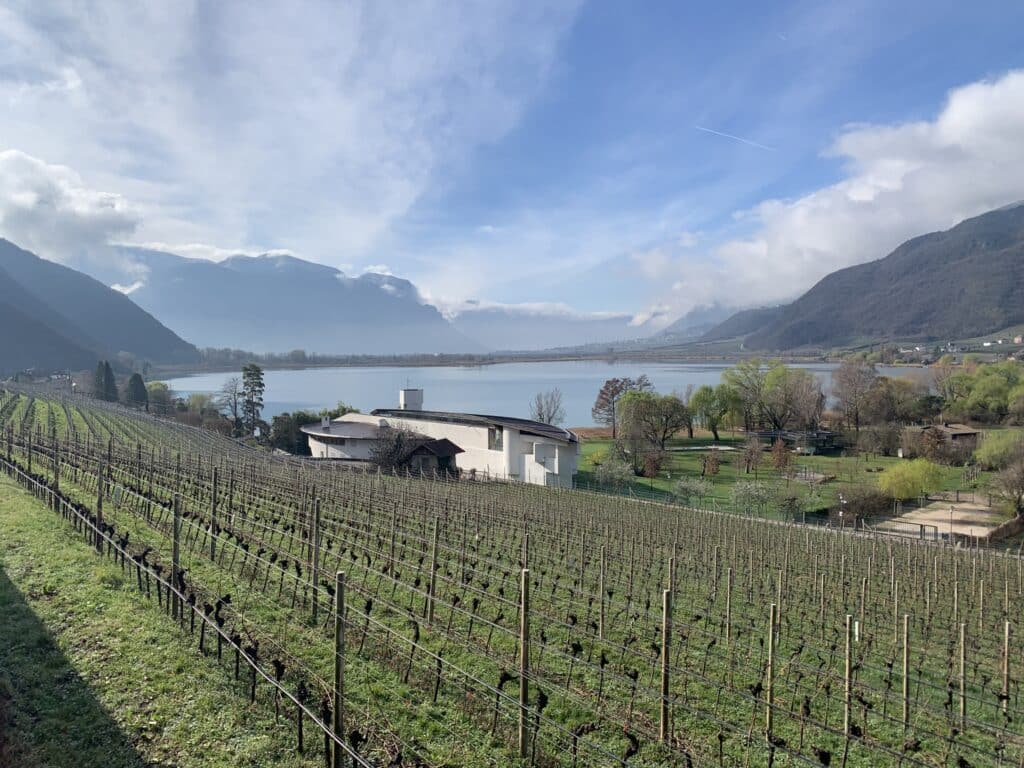
Alto Adige view.

Alto Adige / Südtirol – Italian Germany or German Italy?

My recent journey to unWined took me to northern Italy. At least that was my impression judging from the maps and road signs. However, the autonomous region of South Tyrol is certainly a place of many nuances and a very pronounced multiculturalism.

According to official statistics, 62% of the population speaks Italian as their first language, while 30% speaks German. In my short experience in the region (a couple of days), German seemed to dominate. Yes, I’ve heard occasional ciao and grazie, but the further west we traveled, they completely gave way to the friendly Grüß Gott. Most professionals advertising their services on cars opted for the German language version, unlike official signs, which were always bilingual. Unmistakably, the driving style was 100% Italian – sudden overtaking, tailgating and disregard for speed limits were commonplace.

The climate of South Tyrol is an interesting mix. It was March, so it was still quite cold, as indicated by snowy Alpine peaks all around. At the same time, I’ve seen thriving palms by the Caldaro Lake (Kalterer See) and ripening lemons on the trees in the market of a mountain town. Local cuisine is similarly peculiar. Although we managed to find a place offering pizza and pasta, it was easier to come across a Gasthaus with schnitzels and a German-style bakery full of donuts and poppy seed cakes. On the other hand, the coffee machine in the hotel, when asked  for “Kaffe”, dispensed about 5 ml of very aromatic (and very Italian!) espresso.

So is this German Italy or Italian Germany? Honestly, I’m not sure if it’s possible to label this region like that. It’s a mix of at least two cultures which together created something entirely new. They managed it by selecting different influences and adapting them to the local character of the place.

These influences are also present in the local winemaking tradition. Among the wineries, there is no shortage of German-sounding names. In the wine itself, you can definitely taste the hints of a cold climate. White wines are the most prominent. For instance, the nearby village of Tramin boasts that it is the birthplace of the famous aromatic and peppery Gewürztraminer variety. There are some interesting exceptions to the white wine rule. Most notable is Kalterersee – a type of local red wine made from the indigenous Vernatsch grape, grown around Caldaro Lake (Lago di Caldaro). Lagrein is another local grape variety used to produce red wines. International grape varieties such as Chardonnay, Pinot Noir, and Merlot are also quite prevalent.

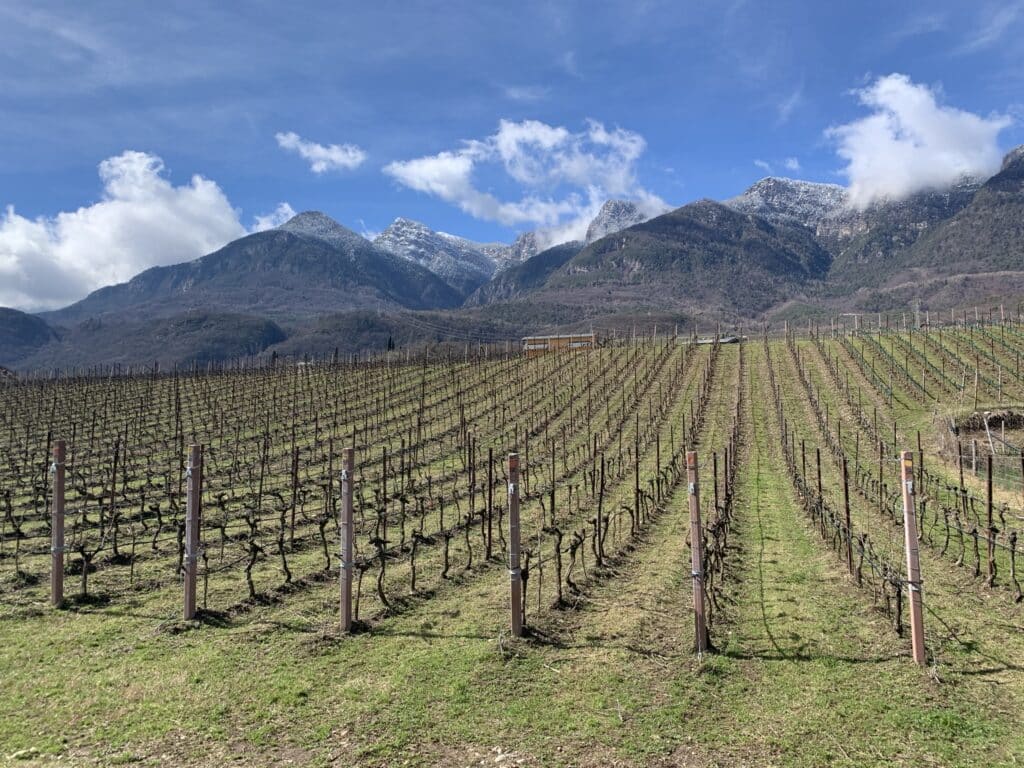
Dramatic landscapes of Alto Adige were a real highlight for me. Every bit of arable land in the mountain valley was used, either for orchards or grapes. The scenery was clearly layered. Looking from the bottom there were: fruit orchards in the flat fields, the hills largely covered by rows of vines (cultivated in multiple ways), then only a strip of forest topped by bare rocks of the peaks. The hills are as steep as some of the impressive vineyards in Germany or France.

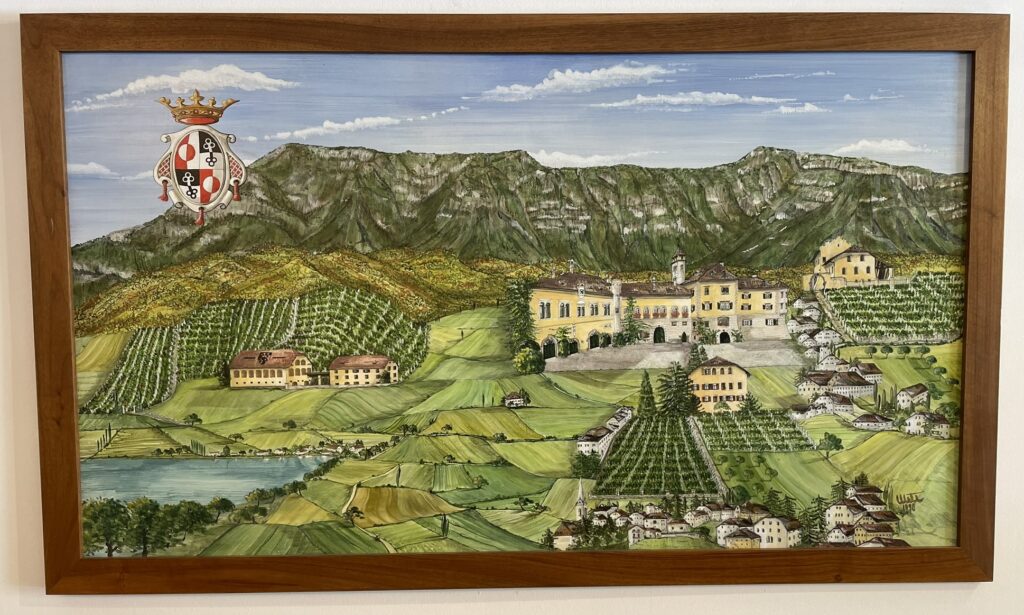
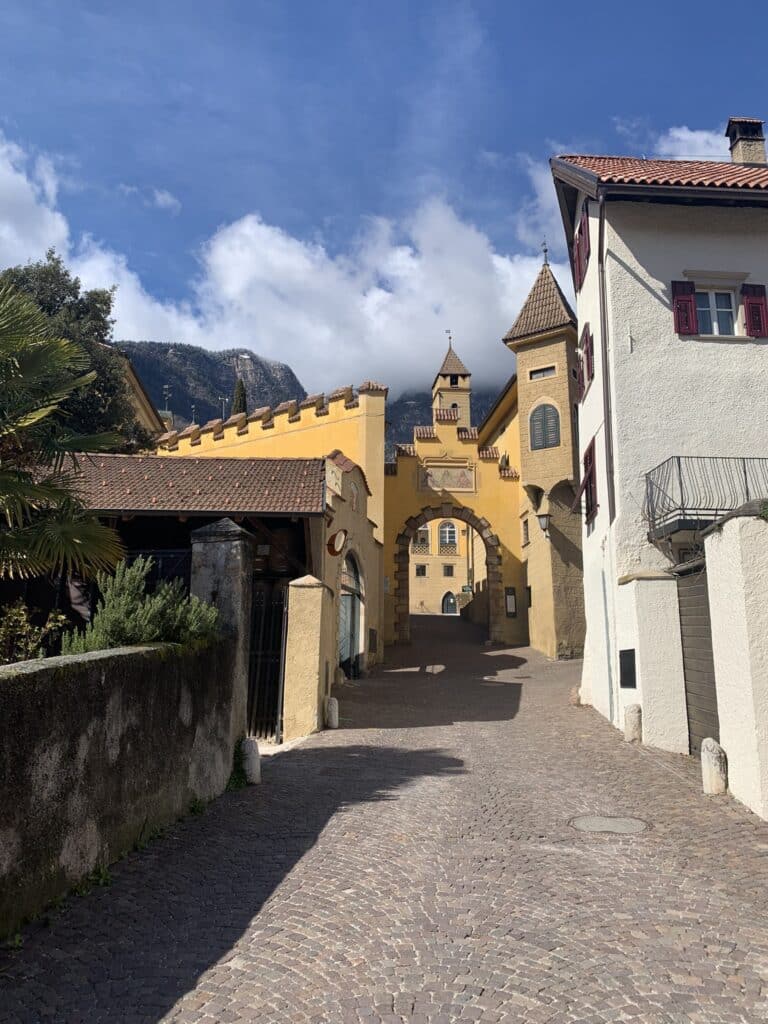
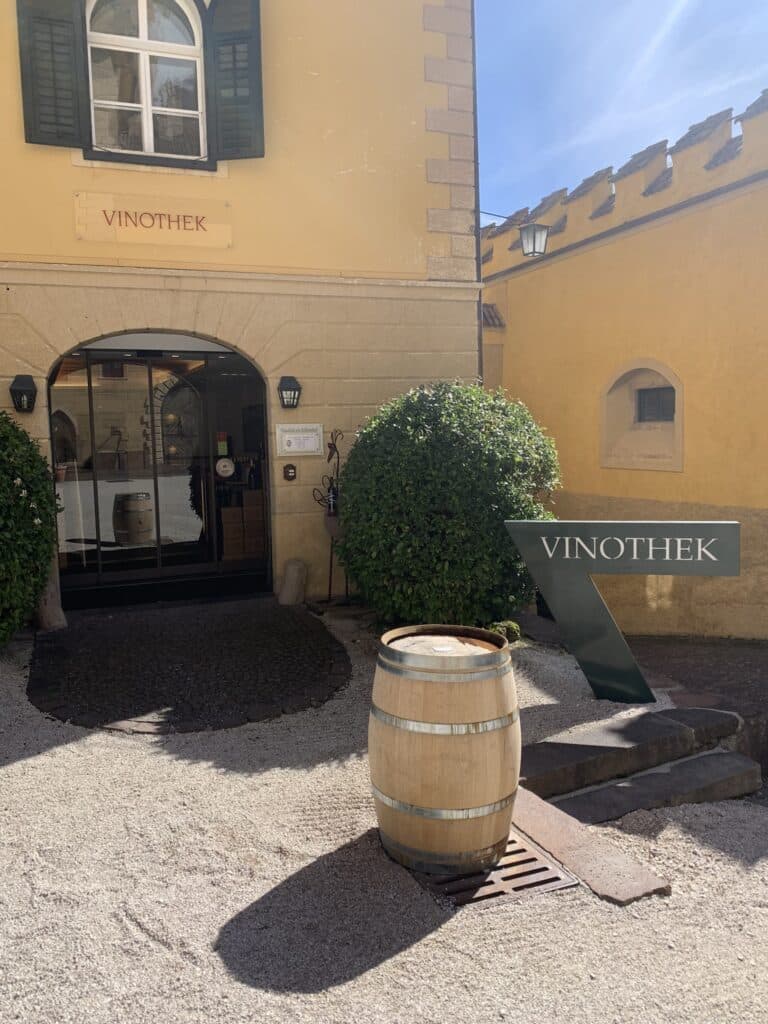
I visited two wineries during my stay: Castel Sallegg in Caldaro and Elena Walch in Tramin. In both, I was able to taste several wines without prior booking (and with no charge). Beware of the typically Italian opening hours with a two-hour gap in the middle of the day!

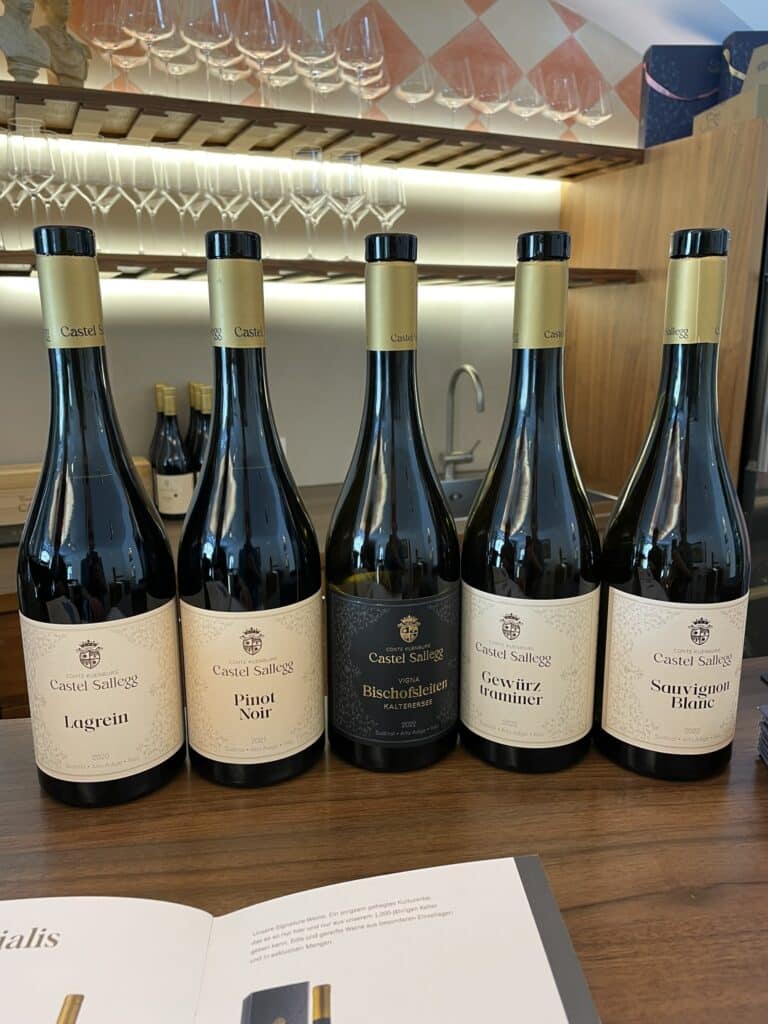
At Castel Sallegg, I focused on red wines. Sauvignon Blanc 2022 and Gewürztraminer 2022 were the only whites I tried. The wines were true to the characteristic notes of their varieties. Floral for Sauvignon and rosy for Gewürztraminer. Interestingly, as far as the taste goes  they were pretty different to their cousins from France or New Zealand. Sauvignon was distinctly dry and mineral with only slight hints of citrus fruit. Gewürztraminer was full of contrasts. On the one hand quite fruity, yet yeast flavors dominated. There also was a bit of interesting bitterness or even spiciness.

From the reds, I tried Pinot Noir 2022 (stainless steel tanks), Pinot Noir Serenis 2019 (oak barrels), Merlot Serenis 2019 (oak barrels), as well as wines made from local grape varieties Lagrein 2022 (stainless steel tanks) and Bischofsleiten 2022 (the local Kalterersee, also made in stainless steel tanks). Most of these wines were light, fresh, and quite acidic. Not very fruity, unfortunately, with a rather limited range of flavors. I preferred the wines that had aged in oak, they showed more elegance and complexity. Bischofsfleiten intrigued me the most; it was unique and expressed the character of the region well. It is a very light and fruity red wine, almost transparent in color. Notes of strawberries and raspberries dominate, with ever present acidity. It is recommended to serve chilled. It supposedly pairs very well with many dishes, including fish!

Po doświadczeniach i radach z Castel Sallegg, w winiarnii Elena Walch skupiłem się na winach białych ze średniej i wyższej półki. Wina były zrobione z różnych szczepów więc naturalnie się różniły, ale miały jedną łączącą je cechę – były bardzo „eleganckie”. To dość niejasne określenie, lecz takie wrażenie przychodziło mi od razu na myśl pijąc te wina. Były złożone, nieprzesadzone pod żadnym względem, miały subtelną klasę. Moje wrażenia:

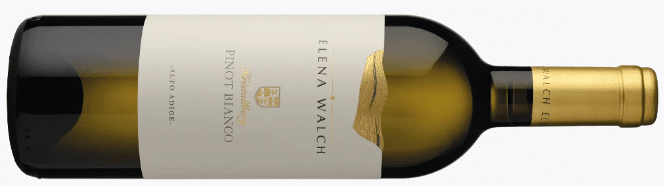
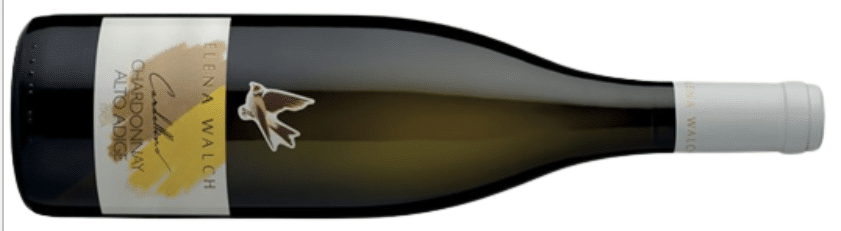
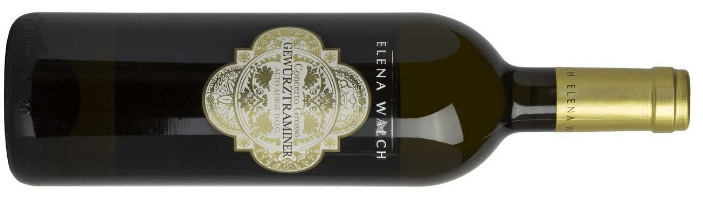
At the Elena Walch winery, after the experiences and advice from Castel Sallegg, I focused on white wines from the medium and higher shelves. The wines were made from different grape varieties, so naturally they varied. But they had something in common – they seemed very “elegant”. I know that this term might sound quite vague. For me, though, it best describes Elena Walch wines. They were complex, understated, with subtle class. My notes from the tasting:

Single Vineyard Kristallberg Pinot Bianco 2022 – honey-floral scent. Quite mineral with a hint of unripe pear on the palate. Slightly bitter.

Chardonnay Cardellino 2022 – yeast and brioche on the nose. Buttery and yeasty flavors with citrus fruit notes. Pleasantly mouth-filling.

Gewürztraminer Concerto Grosso 2022 – typical bouquet for this variety: mango, lychee, and rose. I tasted some fruity notes that were balanced with a certain sharpness, giving this wine a very interesting character. Quite full-bodied and giving an impression of sweetness, despite minimal sugar content. Completely different from a “typical” Gewürztraminer.

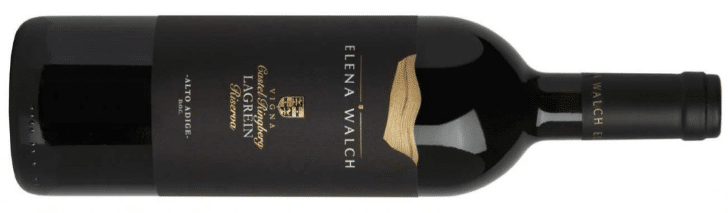
The highlight of this tasting was a decent red wine, Lagrein Riserva Castel Ringberg 2021. The wine spent 20 months in oak barrels. It smelled and tasted strongly of black currant. It had powerful tannins, it might need a few more years to soften and gain a deeper flavor.

Alto Adige / Südtirol is a very fascinating region that combines seemingly very different worlds, German and Italian. It’s definitely worth a visit (especially if you’re driving down to Italy to ski, then it’s on the way). Alpine panoramas made the biggest impression on me: high mountain passes shrouded with a mysterious layer of clouds and below slopes covered with fruit trees and vines. The wine was simply okay. I bought a few souvenir bottles, especially Kalterersee, but that’s all. This style of (red) wine is probably not my thing. I think next time, I might need to visit some other regions of northern Italy. Maybe Barolo?

Alto Adige / Südtirol – Italian Germany or German Italy? Read More »

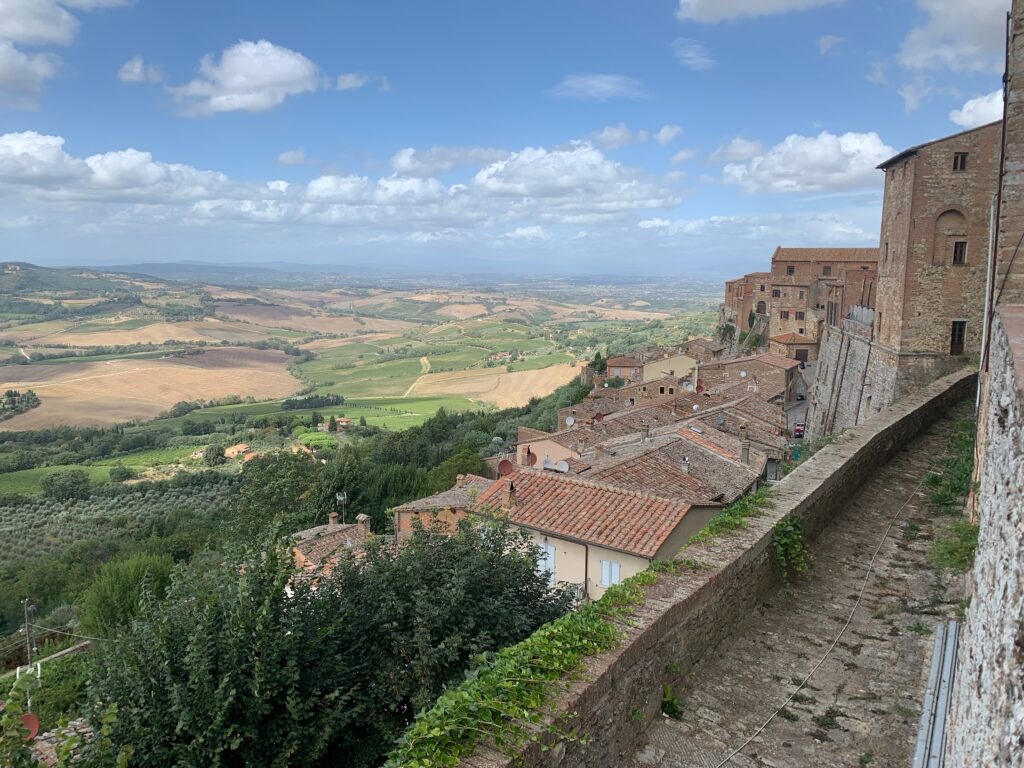
View from Montepulciano.

Tuscany – more than a cliché? – part 1

For a wine lover Tuscany is a true classic, sometimes to a point of inadvertently becoming a cliché. Mesmerising views, mediaeval villages and hoards of American tourists – everybody knows that! So, if you are looking for a detailed description of the region, suggestions for day trips or history of Tuscany, I am afraid you will need to search elsewhere. What I will offer though is a brief account of my idea of a certain way to unWined during Italian holidays. Arguably, there is no better activity (or rather slightly tipsy inactivity) to partake in , than a group visit to some local wineries while in the sunny Tuscany. In my case, it was a fun family group of twelve. What could go wrong, right? At least, the bigger the group, the better a chance to find a designated driver!

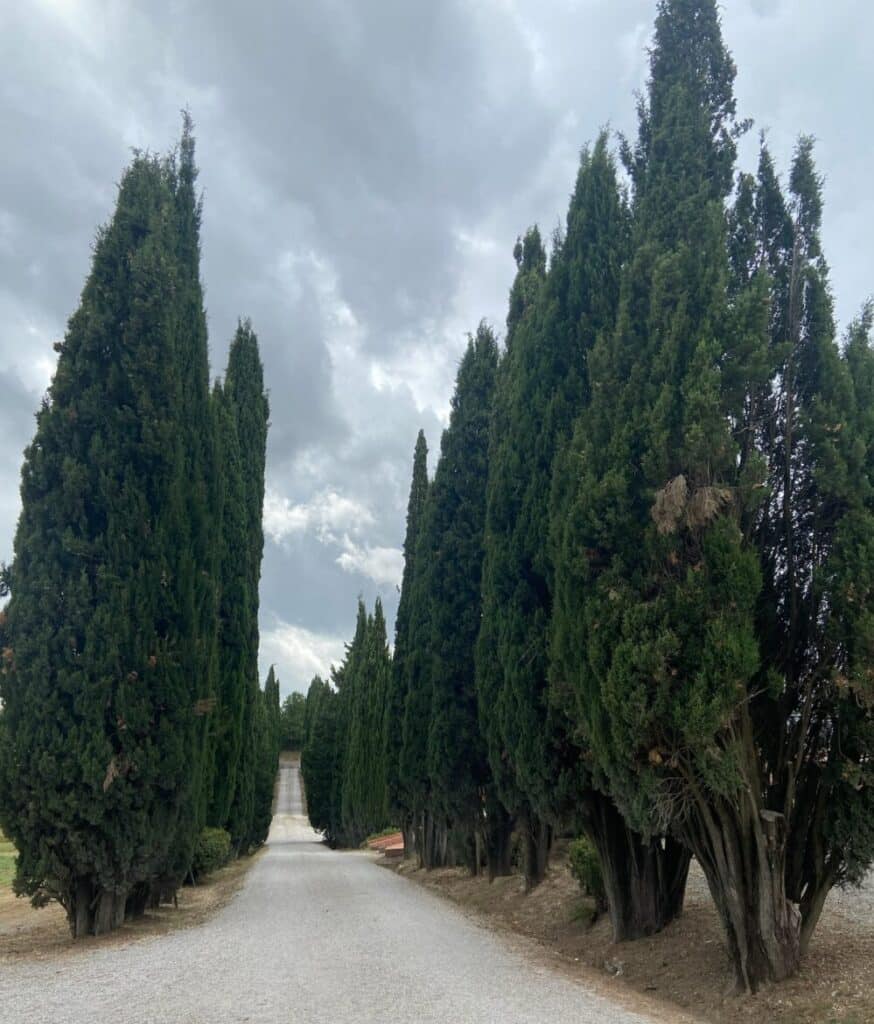
Our first stop was Poliziano winery near Montepulciano. Definitely an elegant place with a wide, cypress-lined driveway, manicured lawns and classy wine tasting venue. Similarly inside: a big reception desk, glass cabinets full of wine bottles and well dressed staff. They were very accommodating and even though we had not booked, we were offered a tasting option. It was 20 euros per person for three wines. We were to sit at a big table with white tablecloth, next to other guests who were quietly sipping their wine. Suddenly, there were some quiet murmurs in our ranks, some morose faces and finally we decided not to go through with the tasting. Maybe, because it was just too early (not even 11 am), but I had a feeling that the group did not like the vibe of the place. Although quite lovely, the winery seemed a bit stiff and pompous – the exact stigma which makes wine inaccessible for so many people. It just did not fit our bill for a fun and informal day. A shame, but we were not disheartened. I just hoped that the next place on my list would be more to our taste! Back to the car then.

We didn’t have to drive for long and after barely 10 minutes we found ourselves in I Cipressi Winery. Just off a narrow gravel round, there it was – a simple and inconspicuous winery building. Outside, an older gentleman welcomed us with a big smile and inviting gestures. His dark complexion and calloused hands gave him away. It was not hard to guess that he was a hardworking farmer. Although the winemaker, Luigi Frangiosa, didn’t speak much English, our “Vino, taste, taste” was easy enough to comprehend. “My son, 2 minutes, wait”, he said – it must be a family affair we deduced. After a short while twenty-something, English fluent Manuel appeared. He excused his sore throat blaming it on the weather (in August, in Tuscany, really?). This could’ve been the cause, but we shortly learned that the previous day Montepulciano had had its annual Bravìo delle Botti festivities. During this holiday, teams from different neighbourhoods of the town compete in an unusual race. They race each other to the top of the steep hill while rolling wine barrels. The wine is not only rolled up but also consumed in large quantities. Anyway, our aunt offered Manuel a lozenge and we could focus on why we were all here.

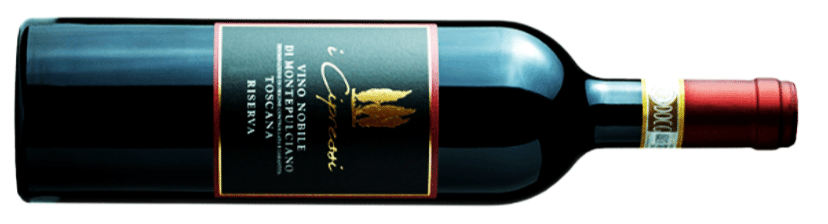
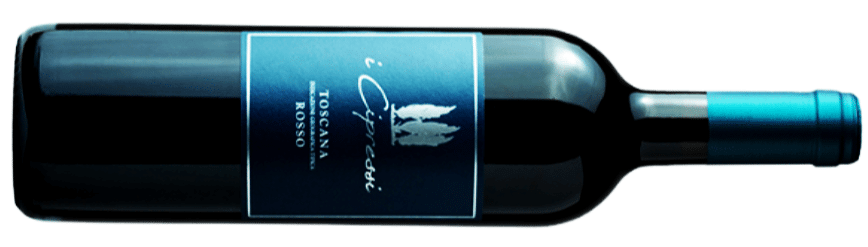
The tasting featured a whole range of wines produced in the winery – we went from rose, Rosso di Montepulciano, Vino Nobile di Montepulciano to Riserva and Supertuscan (10 euro per person). Of course, we were most eager to try Vino Nobile. The name of this flagship wine from the area is associated with nobility that used to have a particular taste for it. The quality and rigorous rules governing the production of Vino Nobile di Montepulciano are safeguarded by its DOCG appellation status. Everybody seemed to be quite excited and relaxed in this more rustic set up. We couldn’t wait to start our Vino Nobile adventure. Manuel was leading the way, but Luigi kept watch by the door the whole time, casting quick glances full of pride at his son.

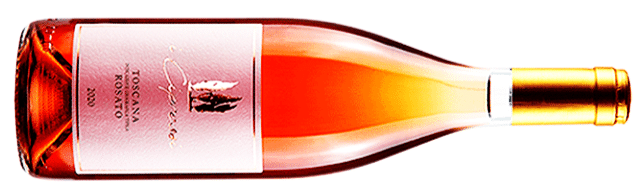
First, we were offered an experimental 2021 Rosato (a rose wine) made wholly from the most important Tuscan grape, Sangiovese. Manuel explained that it was just a second vintage of this less typical (for Tuscany) wine. I don’t have this on record, but I can’t help but think that this was Manuel’s idea. His contribution to modernise and refresh the traditional family winery. Our party was pleasantly surprised with the rose. It was fresh and enjoyable. Everybody instantly thought about drinking it by the pool in our Airbnb. We detected notes of ripe peach. Quite acidic taste made it really refreshing.

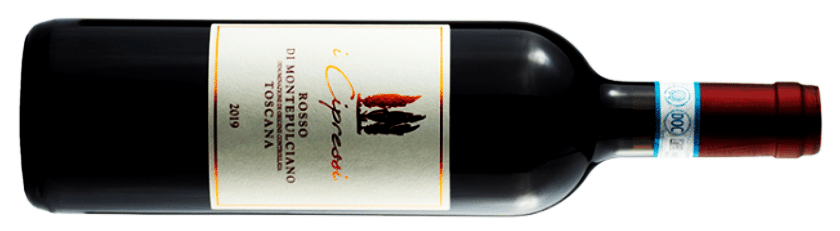
Next, we moved to the three local stars. First came 2020 Rosso di Montepulciano, 95% Sangiovese, 5% two other local varieties. It was nice and simple – aged exclusively in stainless steel tanks to retain freshness and approachability. Notes of red fruit, cherry and cranberry, dominated. A sip revealed a good balance with smooth and lively tannins. Certainly a great starter wine to get a feel of what the region and Sangiovese is about.

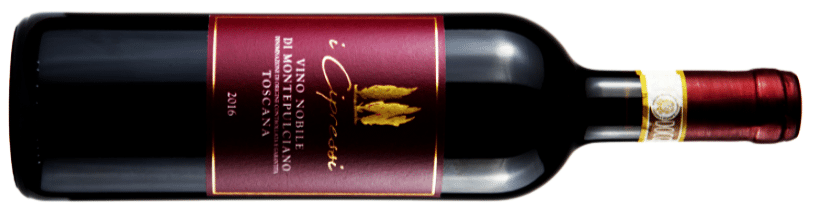
It was time for 2018 Vino Nobile di Montepulciano – 100% Sangiovese. This wine was aged for 2 years in slavonian (region in Croatia) barrels. Quite complex on the nose, with hints of leather, tobacco and blackberries. It was quite fresh, tasting strongly of plums and ripe cherries, with a hint of chocolate. Fairly tannic and acidic, it will surely improve in a few years. Satisfying finish lingered for quite a while.

Finally, the bottle of the most anticipated 2018 Vino Nobile di Montepulciano Riserva appeared. As in the case of the previous wine, it was 100% Sangiovese, but this time aged for longer. More complex ageing starts with 3 years in slavonian oak barrels, followed by 6 months of aging in bottle. The nose was full of tobacco, black pepper and spices. The wine was multilayered, mouth-filling with a very long finish. Flavours of prunes, tobacco and even coffee were detectable. My sister-in-law, who just recently started her wine journey, suddenly had a huge grin on her face. For the first time she tried a wine of this calibre, but she had no difficulty appreciating how well-built it was. Especially, when compared to some easier and fresher wines that we had tried in the past. We kept complimenting the wine in Polish, but Luigi seemed to understand us perfectly well and knew which wine we liked the most. He glanced at his son with that unmistakable: “I told you so” look. Have we been witnessing a quiet generation clash? The youth championing unconventional methods and experimenting versus the wisdom and traditional ways of the previous generation?

The younger winemaker peppered the tasting with tidbits of their family history. We learned that the Frangiosa family moved here from the South in the sixties, acquired some land and started to grow grapes for sale to other wineries. Later they decided to start making their own wine and market it under their own brand. Every now and then, Manuel was asking us some questions: how had we found them, where were we staying, etc. This showed that besides being a wine producer, he had a keen, business-oriented mindset that grasped how important it is to know your customers’ behaviour and create a certain experience for them. It was important for him to make his guests happy to make sure they would leave the tasting with positive reviews, write something online and tell their friends about the amazing time they had.

To finish things off we tried a Supertuscan, 2020 IGT Toscana, a blend of Sangiovese, Cabernet Sauvignon and Merlot. It was not too bad, pretty fresh and fruity. Regardless, I must confess I am not the biggest fan of Supertuscans. Why use international grape varieties in Italy, a country that boasts hundreds of indigenous ones?!

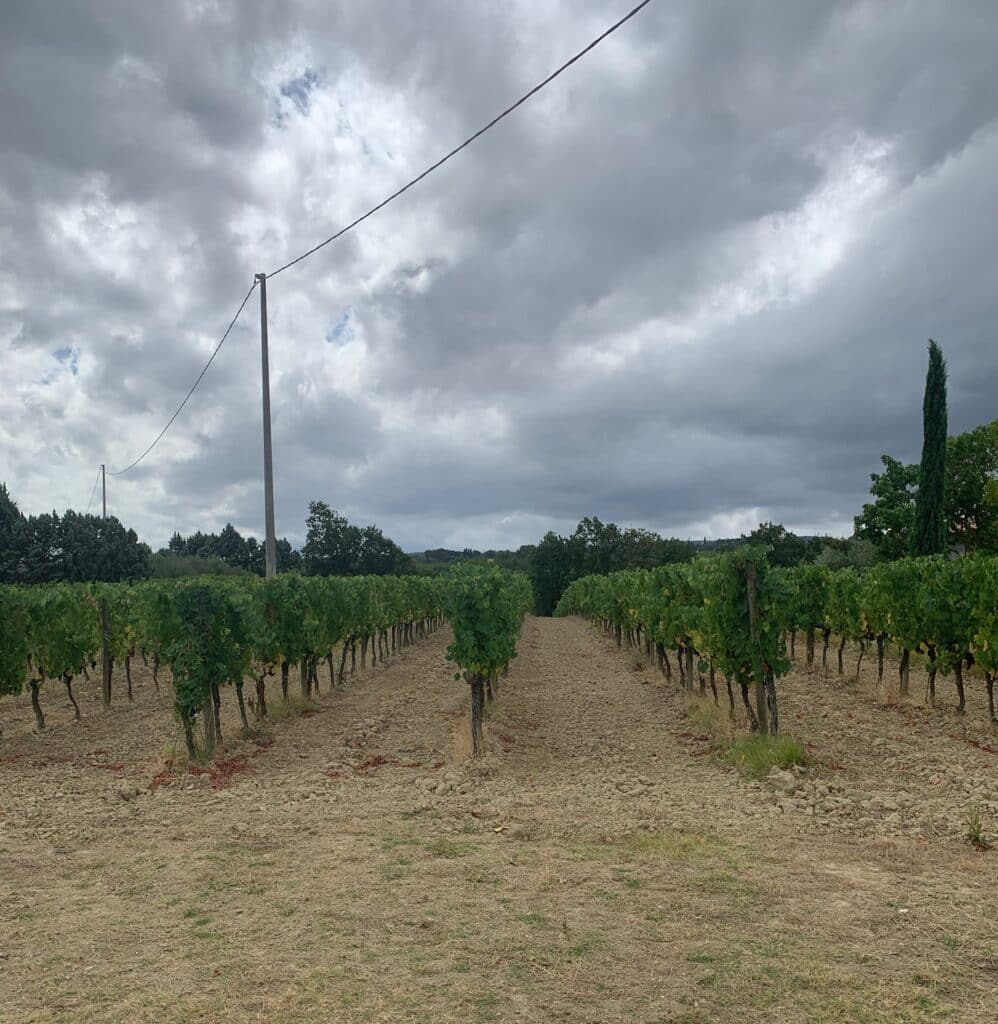
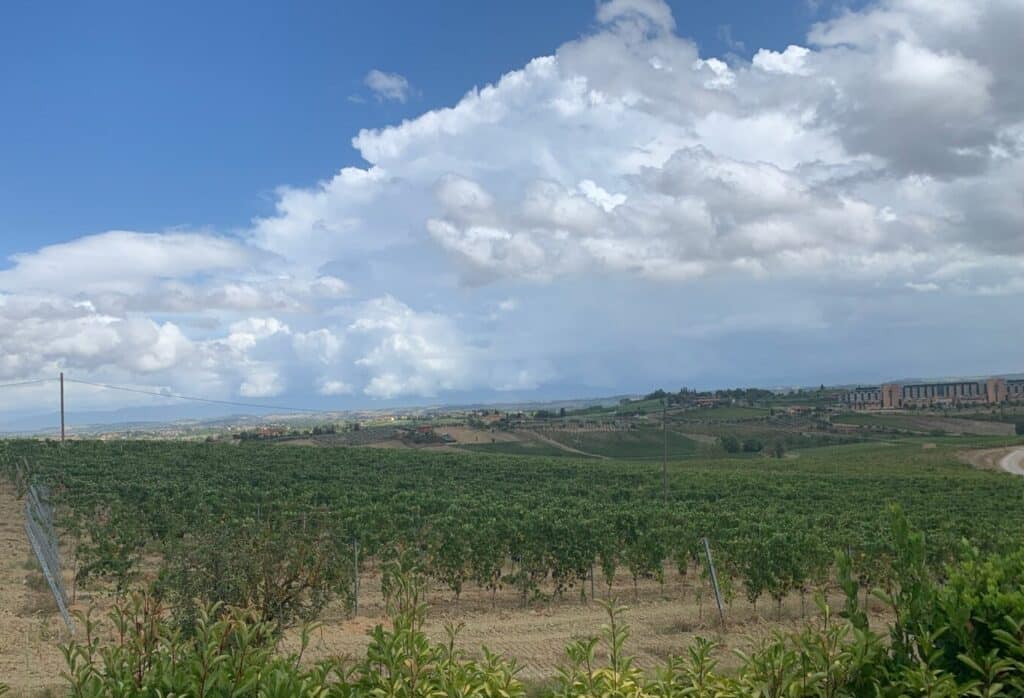
After we packed the cars with cases of wine we wanted to take home, everybody gathered on a terrace to soak up the view for a few more minutes: I Cipressi grape vines, rolling hills and dramatic clouds. My thoughts were coming back to the contrast between the two wineries we had visited that day. In the present experience economy, it’s a challenge to find the balance to be professional and authentic at the same time. The businesses opting for a high end and sophisticated look might suffer from being superficial and lacking substance (often being overpriced at the same time). On the other hand, if a business owner forgets that their customers are expecting a certain experience, that the winemaker is not just selling a product, but a story and a certain feeling, visitors might feel neglected and will not come back again! I Cipressi seemed to strike a really good balance.

It was only early afternoon so I finished my musings and looked ahead to the next stop of our classic Italian holidays. Andiamo!

Tuscany – more than a cliché? – part 1 Read More »

×