wine blog

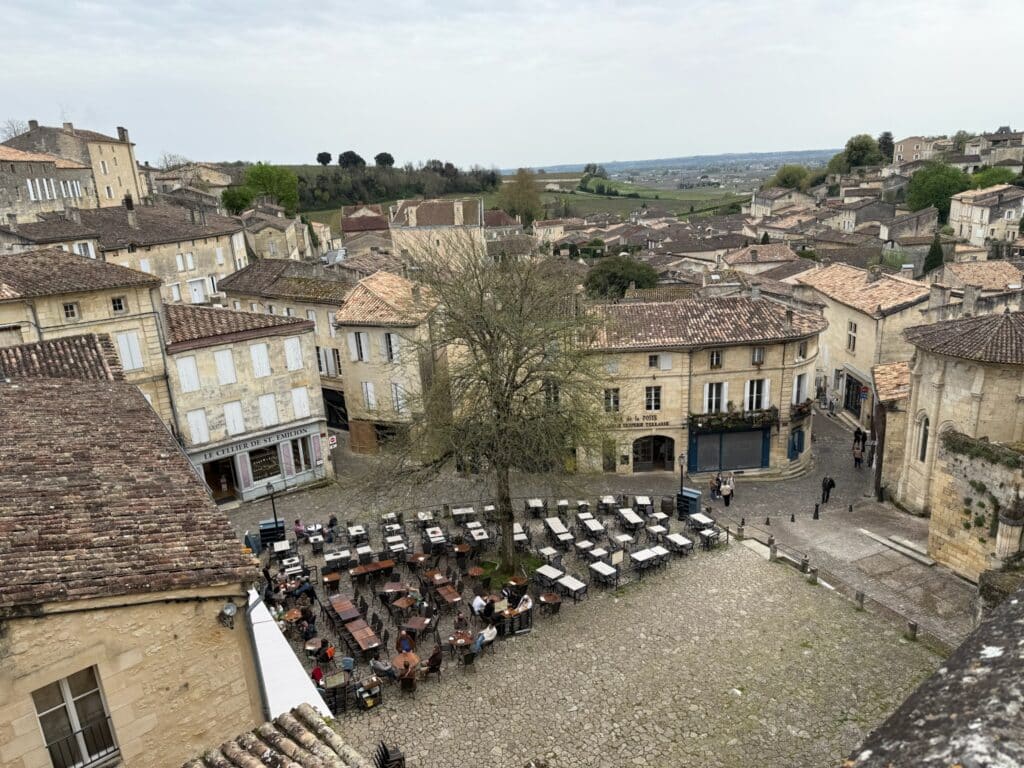
View of Saint-Emillon square.

Château Mauvinon – Saint-Émilion, Bordeaux

It’s been a bit quiet here for a while, but I’m back with some news from France—more specifically, from the Bordeaux region. Bordeaux is typically associated with grand châteaux with centuries-old heritage. However, it’s also possible to find quite intimate places here, more reminiscent of the modern world of wine. Grandparents started a business in the countryside, while their children and grandchildren headed off into the big world, seeking opportunities in cities and global corporations. But after a time, many of the younger generations started to slowly return to their family steads and look for a different kind of satisfaction in life, the one that only countryside and simple work of a farmer and producer can provide…

This is exactly the kind of story we find at Château Mauvinon, located in the Saint-Émilion appellation of Bordeaux. Caroline, who gave us a tour of the winery, is the granddaughter of the founders and has now been living back in the family home for eight years, after spending some time in Paris. I don’t ask for details about her Parisian life, but it’s clear that it’s in the past now and she is once again deeply rooted in her hometown.“I have lunch with my siblings and my mother every day; my kids spend time with their cousins all the time. Not many families are that lucky anymore.” – Caroline tells us between the conversations about the challenges of making wine following organic farming principles.
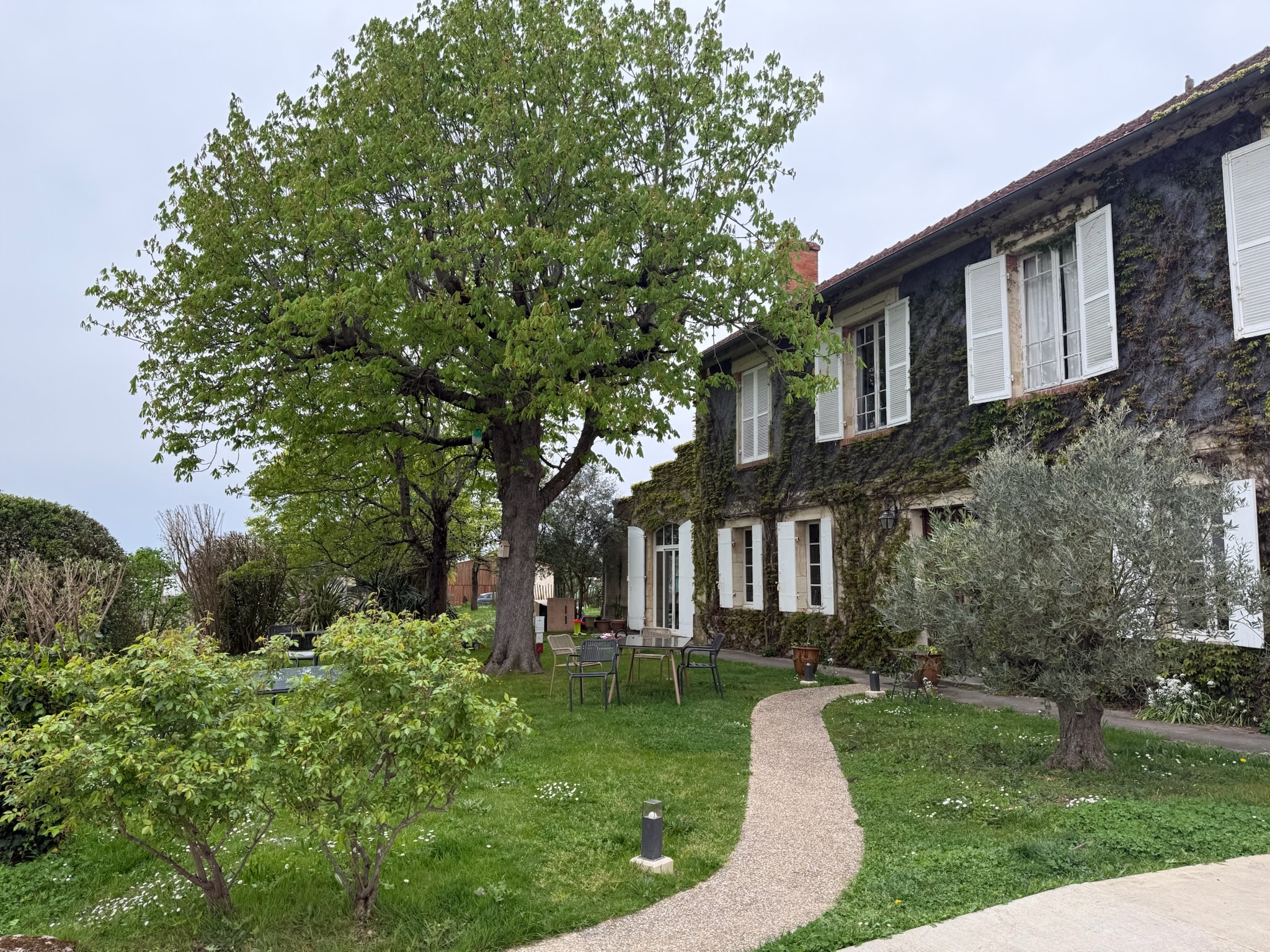
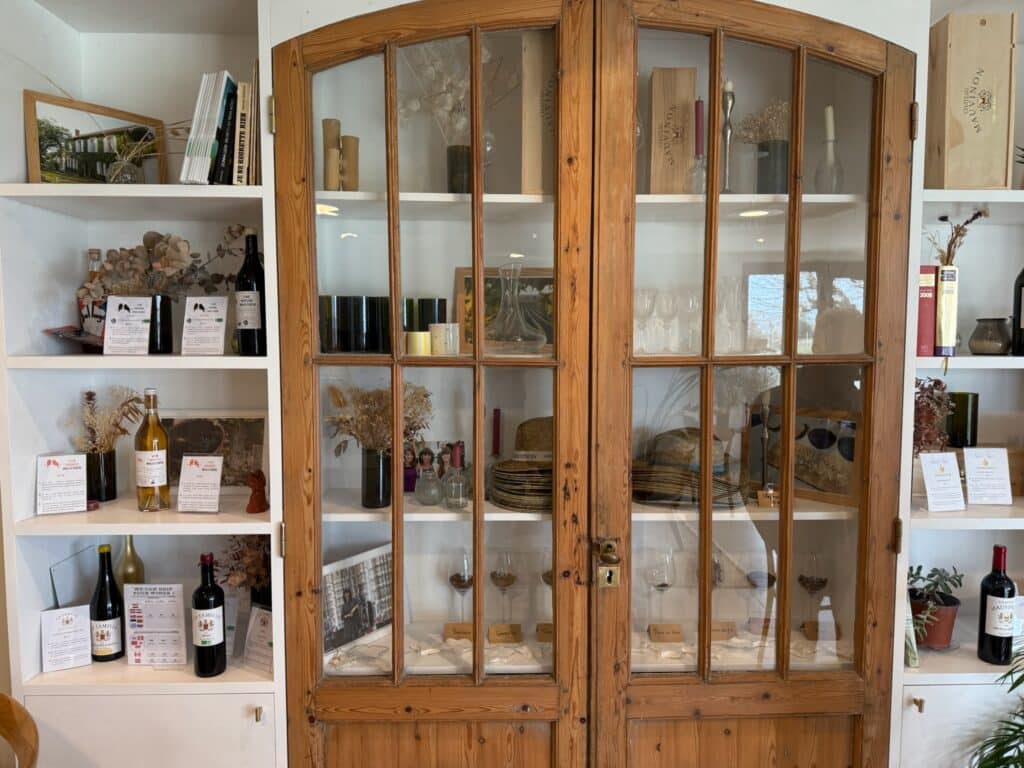
And those challenges require much effort every single day. Battling insects, animals, and weeds is definitely more difficult without chemical interventions. The latest green experiment involves three New Zealand piglets. They are 100% vegetarian, and their task is to roam between the vineyard rows and eat everything that interferes with the vines. Theoretically, the way the pigs are built won’t allow them to eat the grapes, but we’ll see for sure this coming summer when the grapes appear on the vines and the little mowers reach their full size.

Another interesting feature at Château Mauvinon is their abandonment of sulfites in the winemaking process. After harvesting, the grapes are first kept at very low temperatures to keep the unwanted microorganisms at bay. Then, a slow two-month maceration process begins, with daily pump-overs. The barrels are stored in a warehouse below the ground level, which naturally maintains a temperature below 14°C. Apparently, this process allows them to avoid using any sulfites whatsoever and the wine still doesn’t go bad. It’s a bit hard to believe, but well, we’ll have to take their word for it…

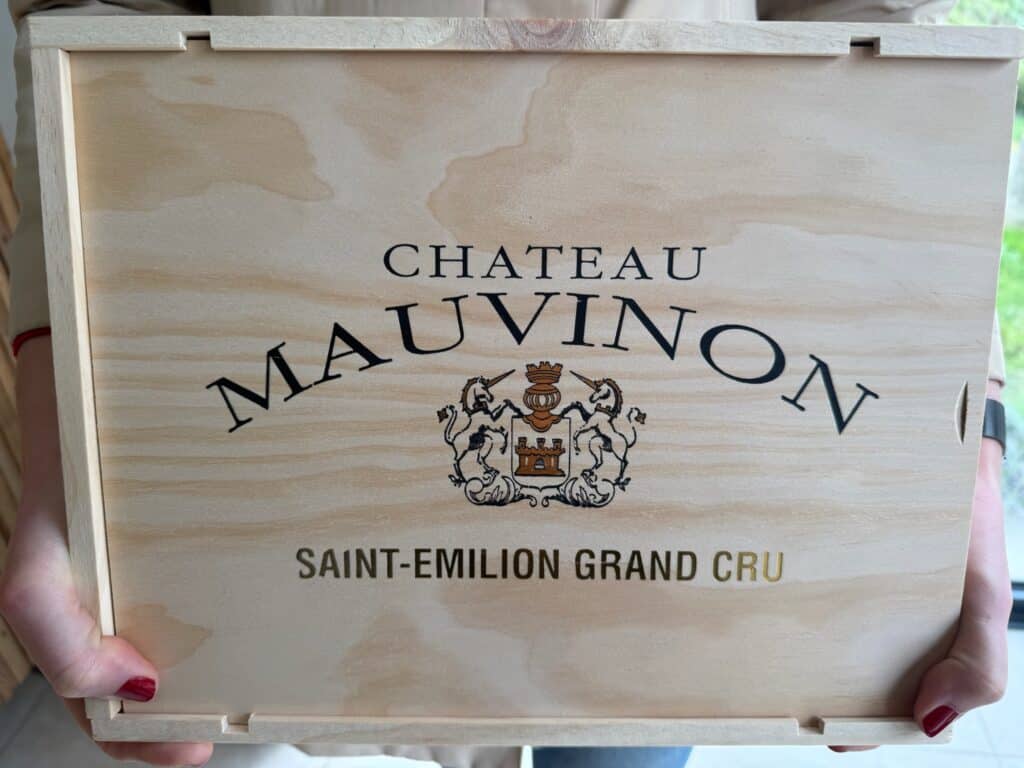
As part of the tasting package, we were offered three wines along with a generous plate of local cheeses. Fortunately, we also got to try two more wines, so we sampled nearly the the entire range of the winery. The two main red wines come from six hectares surrounding the family home and are classified as Grand Cru Classé within the Saint-Émilion appellation.

Tasting notes:

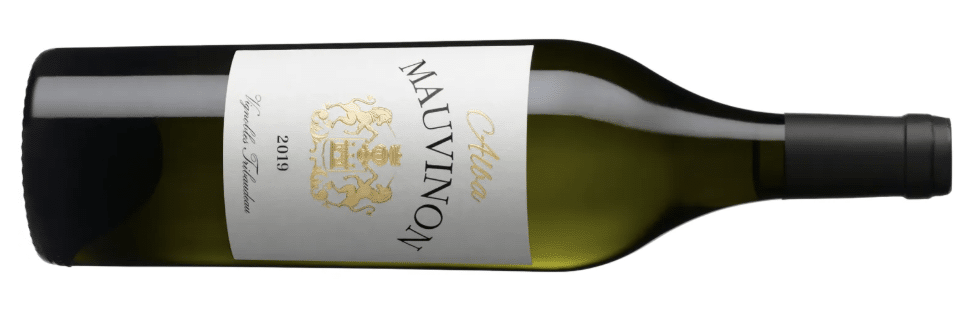
Alba Mauvinon Blanc 2020 – 100% Sauvignon Blanc. Spent three months on the lees with additional batonnage. Then the wine is transferred to oak barrels. On the nose, distinct creamy butter and some citrus fruit. On the palate citrus dominates, along with green apple, but also butter, yogurt, and notes of young wood. Long finish with a pleasant balance of bitterness and fresh fruity notes.
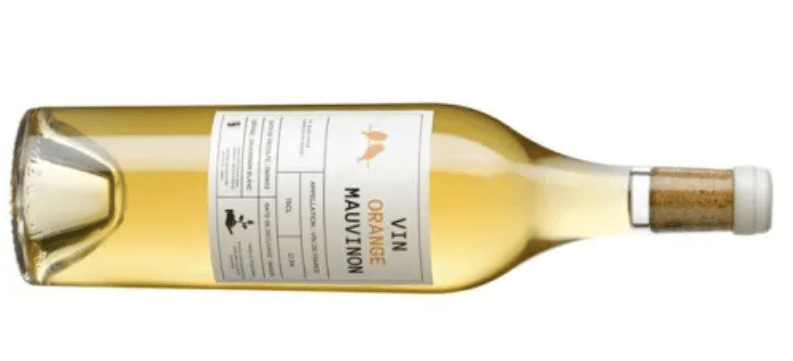
Vin Orange Mauvinon 2023 – 100% Sauvignon Blanc, skin contact maceration to add body and color. On the nose, the expected orange peel, but also very strong vanilla notes. The taste is completely dominated by bitterness; other notes are barely perceptible. Because of that, it was a bit hard to enjoy this wine.
Château Mauvinon 2020 Bio – 50/50 Merlot and Cabernet Sauvignon. Spent one year in a mix of new and used French oak barrels. On the nose, notes of cranberry and cherry. On the palate, very fresh and fruity. Distinct red fruit, ripe cranberry, and cherry. Tannins are quite soft. Medium finish.
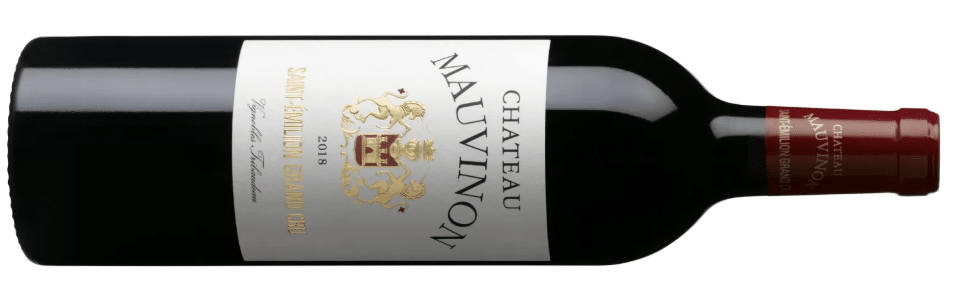
Gabriel Lauzat 2018 – 50/50 Merlot and Cabernet Sauvignon. Two years in new French oak barrels, which made a distinctive difference. What’s more, the grapes are harvested early in the morning from selected rows to maximize freshness and fruit concentration. Small production, only around 1,000 bottles per year. On the palate: dominant red currants, licorice and nutty notes. Highly concentrated fruit and powerful body with a long finish. (58 €)

Surprisingly, at Château Mauvinon, the white wine, the dense and expressive Alba, turned out to standout the most — despite this being the first winery I visited in the Bordeaux region. The main reds from the La Familia series were rather basic and didn’t leave a lasting impression. The premium label, Gabriel Lauzat, was quite interesting, although admittedly, pretty expensive. Well, perhaps the takeaway is that when it comes to Bordeaux wines, one should drink less—but reach for a truly good bottle when doing so? I’ll test this theory at the next French wineries, as my wine journey in France is far from over.

Château Mauvinon – Saint-Émilion, Bordeaux Read More »
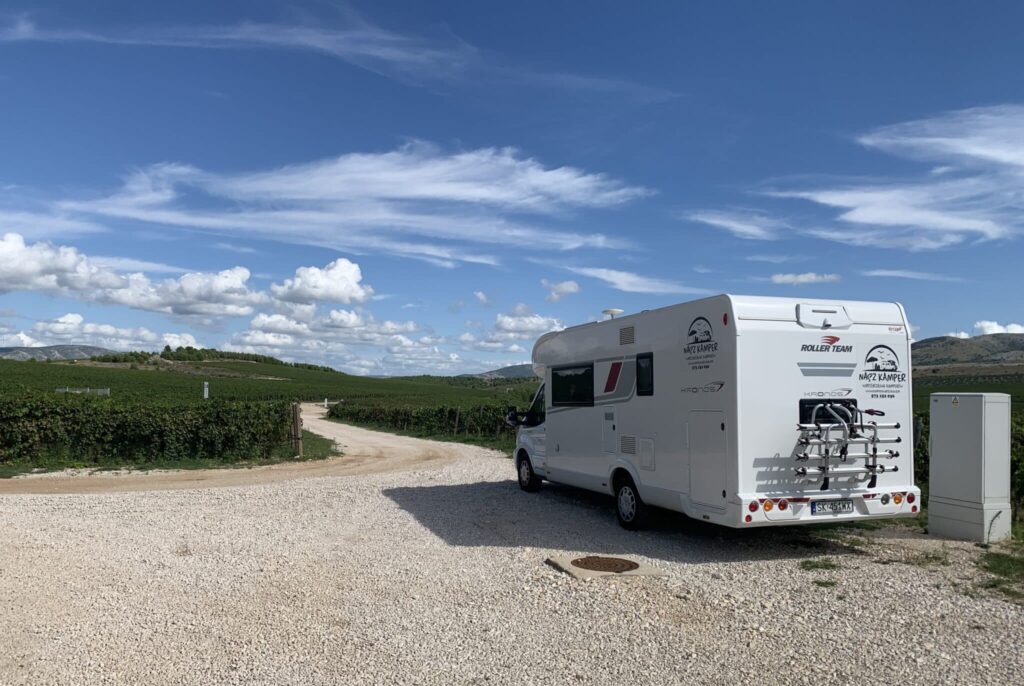
Kamper w Winiarni Testament.

Testament Winery – Dalmatia, Croatia

The life stories of winemakers I usually visit tend to be quite similar. Either it’s a couple just starting their journey with winemaking, or it’s the next generation of a family with winemaking tradition. I’m also aware that there are large wine conglomerates producing millions of bottles annually, but I don’t visit those too often. However, during my visit to Testament Vinarija (Testament Winery) in northern Dalmatia, I encountered an ownership structure that was totally new to me in this industry.

In an area dominated by small, family-run wineries, we were greeted in Testament’s simple tasting building by a Scottish woman. As if that wasn’t surprising enough, she explained that the winery is financed by a Swedish investment fund. She herself lives in Stockholm and only comes to Croatia during the summer season. The local winemaker overseeing the Testament, Juraj Sladić, brings a Croatian touch to this international venture. I was also intrigued by the choice of the winery’s name. The most straightforward approach would have been to follow the local tradition and name the winery after the head winemaker. However, that privilege had already been claimed by Juraj’s brother, who runs his own family business. So, the Swedes opted for their own branding. Their marketing consultants came up with a story to back it up, but let’s not focus on that.

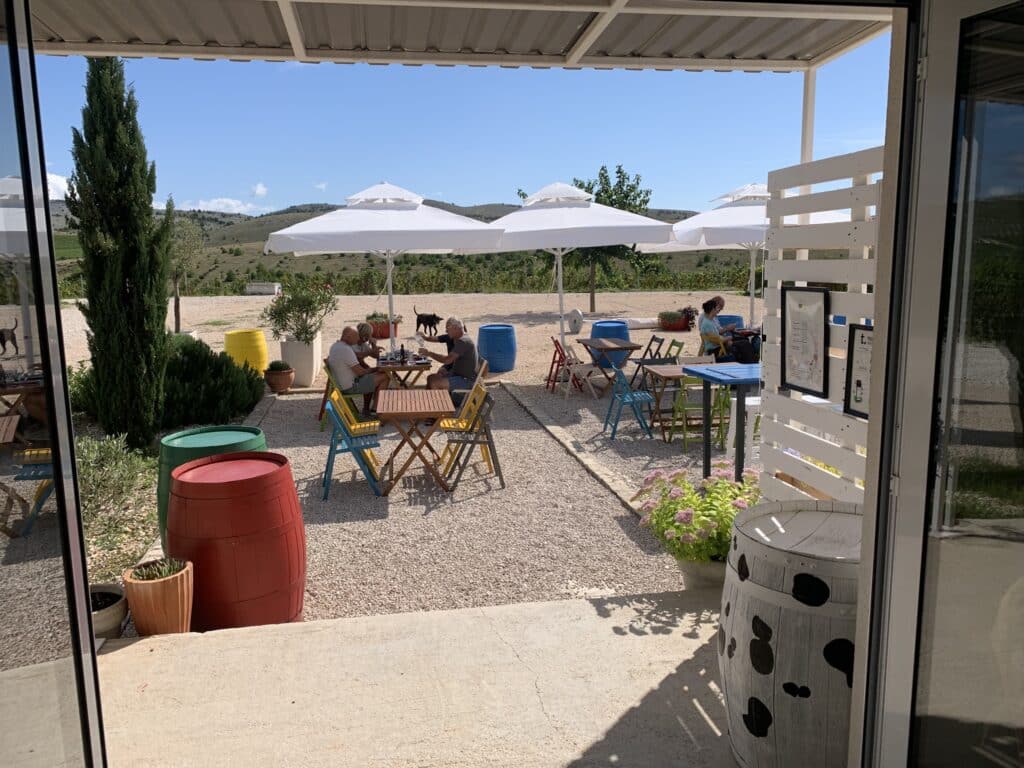
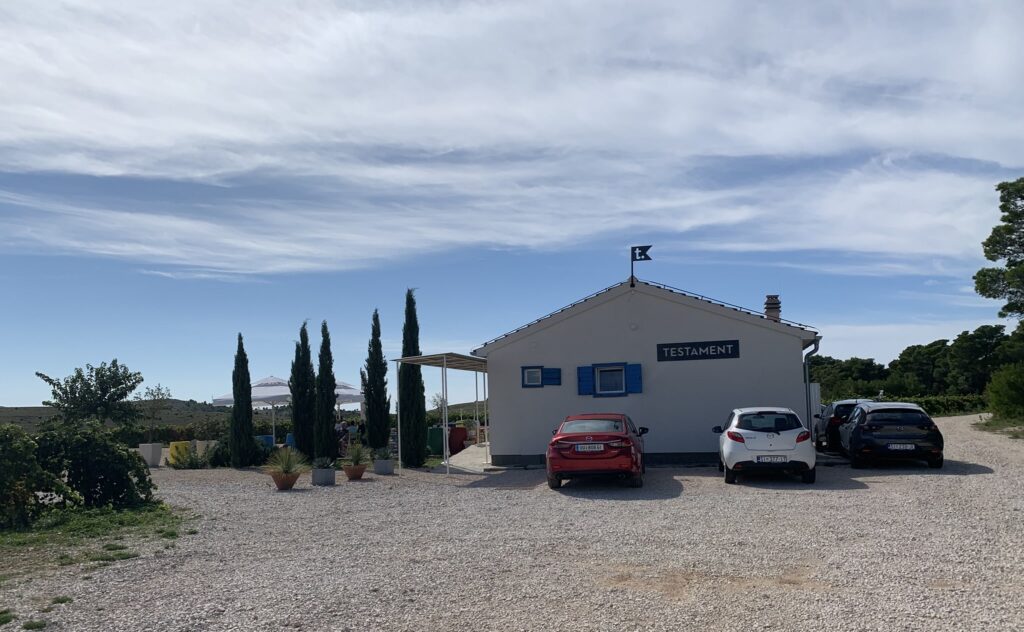
A small, country road led to the shop and tasting bar. Testament Winery is beautifully situated among vineyards and gently rolling hills in the background. Once there, you can taste three wines for €11, five for €22, or pay some more for a snack pairing. With our group of six, we decided it would be more economical to buy all the wines and create our own tasting session. That’s exactly what I explained to the Scottish lady. However, she handled it very professionally, offering to tell us a bit about the winery and its wines and offered for us to sample a few so we wouldn’t be buying completely unconsciously. Our compromise was to taste the most expensive wines (€25–€45) to decide if they were worth the investment. The cheaper ones we purchased confidently without trying them at all.

Let’s start with the simplest (and cheapest) wines:

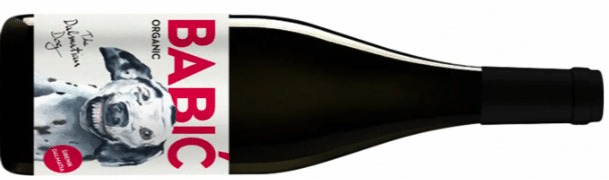
Dalmatian Dog Babić 2021 – It was rather simple and perhaps a bit unbalanced. Dominated by red fruit with lots of acidity. The aroma was slightly off-putting, but improved over time (or perhaps by that time the alcohol was kicking in?). Dalmatian Dog Plavac Mali was similarly unremarkable.

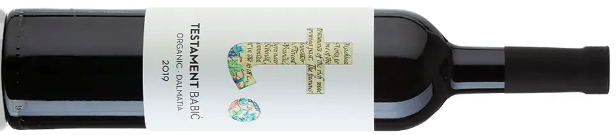
Testament Babić 2021 – A very decent wine. Complex and nuanced, it quickly made me consider taking a few bottles home. Notes of oak, tobacco, plum, and blackcurrant. Still quite fresh, making it enjoyable to drink on its own.

Merga Victa Plavac – A wine from a sister winery owned by the same company, located on the famous island of Korčula. It had the most distinctive chocolate-vanilla flavour I’ve ever encountered. Interesting, but slightly overwhelming because of this single flavour note.

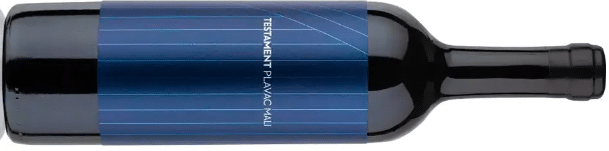
Testament Plavac Mali 2018 – This wine benefited from some time in the bottle and was at its peak. It probably still has a good 2–3 years before it starts to decline. Big and powerful, with lots of black fruit notes, ripe blackberries, plums, and rounded tannins.

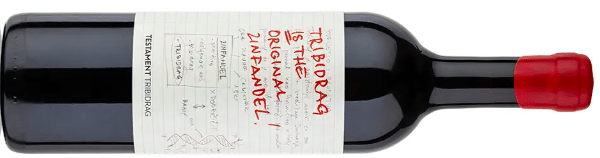
Testament Tribidrag 2021 – Definitely not ready yet, with lots of fresh acidity and herbaceous notes. However, you could sense the potential for power, complexity, and nuance. It will be interesting to see how it evolves in 3–5 years.

We didn’t try any white wines, which was probably a big mistake. At the Peškafondo wine bar in the nearby Primošten (which I also highly recommend!) we drank an exquisite Pošip. However, I respect them for their exclusive use of native grape varieties. Babić, the dominant grape in the region, indeed produces some very pleasant wines. The only downside was that the local wines were quite expensive in restaurants. It’s strange – in Spain, you can get house wine for €8, but in Croatia you have to pay over €20. Croatian wines are also relatively little known in Poland, even though Poles take over the Croatian seaside every summer. It’s hard to say why this is the case, but hopefully, the Croatian wine market in Poland will pick up soon.

Testament Winery – Dalmatia, Croatia Read More »

View from the Mulec winery.

Pit Stop for Wine? Yes, Please! – Mulec Winery, Slovenia

While travelling across Europe, we usually stop at B&B or Accor hotels or in some random inns when we feel tired. But lately, I’ve been wondering whether it might be possible to plan our route so that each evening we stop at a winery and preferably try some local wine. After all, wine is produced in nearly every European country! During our last trip in September, which was my first journey to Croatia, I managed to organise just such a stopover at the Mulec Winery in Slovenia.

This time we were travelling in campervans, and fate (or rather, a Google algorithm) led me to a winery that offered a parking spot for campervans with all necessary amenities. Things started off well as soon as we left the motorway and drove into a rolling landscape peppered with vineyards. The views were perfectly stunning! When we arrived in the village of Jakobski Dol, we were greeted by the host’s father, who welcomed us with the question every travelling wine lover dreams about: “Would you like a glass of wine?”. There was no other answer, “Absolutely!”. What welcomed us was a properly chilled Riesling. It was precise, refreshing and pleasantly rounded. It seemed that we were going to have a lovely evening…

Our host, Dušan, offered a tasting of ten(!) wines and a platter of local delicacies, all for €20 per person! But we ended up chatting so much that we tried fourteen wines in total. What a productive tasting! The cheeses and meats, either homemade or sourced from friendly neighbours, were simply exquisite. There was even deer salami and ham from Dušan’s own stock. You can actually see the deer grazing in the pasture below the winery’s main building.

The wines encompassed a wide range: sparkling, white, red, dry and semi-sweet. They were definitely enjoyable, albeit fairly simple, in the best sense of the word. They reflected the characteristics of each grape variety well. Most wines cost €7, with only a few at €13. Here, I’ll focus on the wines that stood out the most for me.

We started off unusually with a sparkling red wine, made using the traditional method from the Zweigelt variety. It was the first sparkling red I’d ever tasted and I was pleasantly surprised. It had a deep burgundy colour with very subtle bubbles. On the palate, red fruit dominated, raspberries and wild strawberries.

The Riesling we tried upon arrival was very well-balanced, with characteristic high acidity beautifully complemented by fruity and floral notes. I detected green apples, limes and fresh wildflowers. Chilled just right, it was absolutely perfect.

Another of Dušan’s quirky ideas was a Pinot Noir showcased in three variants: white, rosé, and red. The first two of these were entirely new to me! They might not have been exceptional wines, but they intriguingly displayed the expression of the grape and its evolution at the winemaker’s hand. The white option had primarily floral notes, while the rosé introduced hints of unripe red fruits, which appeared in their full glory in the red. Such a fascinating experiment!

The Traminec, or Gewürztraminer, was as well-crafted as the Riesling. It had a distinct, intensely fragrant aroma of rose oil. Full-bodied in taste, with low acidity and a pleasant bitterness that went well with its fruity notes.

Lastly, I must mention the orange Chardonnay. This wine had been macerated on the skins for 14 days before being aged in oak barrels. The result was an intense orange colour with a scent very reminiscent of cognac. However, on the palate, it was refreshingly delicate, with flavours of fresh oranges and a faint hint of orange in chocolate. It was truly unique. Experimental, yet delicious.

The next day, after a farewell walk around the beautiful area in the morning, we continued our journey with two additional boxes of wine. I pronounce the experiment of sleeping at a winery on route a complete success. A major benefit was that, after the tasting, only a few steps separated us from our beds waiting for us in the campervans. Funnily enough, the next day we settled the bill with Dušan’s mother, who didn’t have a card terminal. So, she asked us to make a bank transfer since we didn’t have enough cash. She suggested we not bother paying only a part of the bill, so we left Mulec Winery with only a promise to pay (which, of course, we immediately did!).

Apparently, most guests stop at Mulec either on their way to or from their holidays. However, this corner of Slovenia truly deserves to be a travel destination in its own right. I hope to have the chance to go back there soon.

Pit Stop for Wine? Yes, Please! – Mulec Winery, Slovenia Read More »

Kazimierskie Wzgórza beczka z logo.

Kazimierskie Wzgórza Winery – Kazimierz Dolny, Poland

We set out from Warsaw. Motorway, fields and forests flashed outside the windows and then we reached a single-lane road. About an hour and a half later, we found ourselves in a completely different landscape. We’re surrounded by hills, ravines and picturesque, historic houses. Staying with the theme of vineyards close to home, this time I went to one of the most prominent regions of the Polish wine making scene – Kazimierz Dolny.

During my previous visits to the region, the logo of Kazimierskie Wzgórza vineyard (Kazimierskie Hills) stuck in my memory. So, that’s exactly where we’re headed. Could this be another case of highly effective marketing, just like in Dwórzno? But Kazimierskie Wzgórza felt a lot better right from the start. I called to ask about availability for the next winery tour and whether I can bring a dog. I was greeted with sheer politeness and professionalism. “We have free spots, I’ll make the reservation right away, the dog is no problem.” They even offered a cheaper tour option for our designated driver.

Our guide was Bogusia, co-owner of the vineyard. She told us interesting facts about the region, viticulture and the basics of winemaking. We learnt that the area around Kazimierz Dolny is particularly suited for growing grapes for several reasons. Firstly, the area is hilly, and the hills help with sunlight exposure and drainage of excess water. Second, the soil. Light and airy loess sitting on characteristic limestone rocks. Later, we saw that many local buildings had walls built from the same stone. If you look closely, you can spot imprints of differently shaped shells in the white stone. Thirdly, the Vistula River. The queen of Polish rivers flows through Kazimierz Dolny creating a unique microclimate. And as it turns out, the Lublin region is the sunniest part of Poland. Mind you, not the warmest, but with the most hours of sunshine. Everybody knows that this is a key factor when growing grapes.

We strolled among the grapevines, tasting different varieties straight from the vine and listened to more stories. It couldn’t be more idyllic and peaceful. Although it was a bit early for the grape harvest, we learnt that the first batch of Solaris had already been picked. The owner of Kazimierskie Wzgórza noted that the harvest started 2-3 weeks earlier than usual. The summer was scorching hot with minimal rainfall. I made a mental note that it might be worth considering stocking up on the 2024 vintage! Due to weather of this kind, 2024 wines could turn out to be quite interesting and potentially quite unusual for Polish conditions.

After all, Poland like Austria, Germany, or Switzerland is situated in what’s called the cool zone for grape growing. At Kazimierskie Wzgórza, about 70% of the varieties are white. Interestingly, the owners are slowly experimenting with Vitis Vinifera varieties, such as Chardonnay, Riesling, Pinot Noir, and Zweigelt. Hybrid varieties (special grape varieties developed for cooler zones) still dominate, but their share is decreasing every year.

As it turned out, typical of the Polish legislature, there are many prohibitive laws in the winemaking industry. In Kazimierskie Wzgórza, last year’s wine hadn’t been bottled yet, while this year’s grapes were already starting to be harvested. Even though the additional storage space was practically empty, the unbottled wine couldn’t have been transported there without the wine being fitted with the tax designations first. And what’s a poor winemaker to do? Not only do they fight with unpredictable forces of nature, but also with predictably irritating Polish regulations..

The second part of the tour was a tasting of six wines. We also got a selection of local cheeses and cebularz (a traditional flatbread with onion topping). We immediately fell in love with one of the cheeses. Local Bursztyn is simply divine and trying it alone justified the entire trip. Luckily, the wines were also very good. We started with two sparkling wines, Preludium and Ciao!.

Preludium is a sparkling wine made using the traditional method from two selected parcels of Seyval Blanc. Preludium has a surprisingly distinct aroma and an interesting color. It’s quite fruity, but really well-balanced and enjoyable. For me, it can easily compete with many Proseccos. The main notes are grapefruit, green apple and a bit of peach. The finish is pleasantly long. There are plans to attempt making sparkling wine using the traditional method from Chardonnay and Pinot Noir next year, the very varieties used in Champagne. I’m very curious to see how that turns out!

Ciao! is a sparkling rosé made in the style of Italian frizzante. It starts as a still wine and carbon dioxide is added later. Zweigelt and Cabernet Cortis were used to make it. This is a very good use of these varieties, especially the latter, which rarely shines on its own. Ciao! is a pure embodiment of a summer drink. It’s more reminiscent of a fizzy drink. I would put it in one category with cider and beer rather than wine. On this very hot day, it’s perfectly refreshing as it is supposed to be. The main aromas are strawberry and bubblegum.

Następnie przechodzimy do win białych. Z tych próbujemy Chardonnay 2022, Riesling & Roter Riesling 2023. Chardonnay robione jest w klasyczny sposób z użyciem metody fermentacji jabłkowo-mlekowej. Ma dość blady, jasno żółty kolor. I zapach i smak natychmiast wskazują na Chardonnay, ale są one dość wycofane, wskazując na zimny klimat. Dobry balans nut maślanych i bułkowych oraz cytrusów. Przyjemna kwasowość.

Next, we move on to the white wines. We try Chardonnay 2022, Riesling & Roter Riesling 2023 and Esterka 2022. The Chardonnay is made in a classic style using malolactic fermentation. It has a rather pale, light yellow color. Both the aroma and taste immediately point to Chardonnay, but they are quite understated, indicating a cool climate. A good balance of buttery and pastry notes with citrus. Pleasant acidity.

Tasting the Chardonnay is the moment when I started to get a bit bored. Each new bottle came with a 15 min introduction. There were very few questions from the audience, which contributed to the atmosphere of a lecture hall rather than a relaxing wine tasting. Of course, part of the problem is that this was probably my nth tour where I heard about dosage, Madame Clicquot and how red wine gets its colour from the grape skin. But I still think the information overload could be reduced in favour of a conversation with the group. The wines were good, so there was plenty to discuss. Especially since the group was quite intimate. Anyway, let’s get back to the last wines.

Esterka is named after a local legend. It’s a blend of Muscaris and Souvignier Gris. The aroma is mainly grape, but also heavily floral, with notes of lilac and acacia. The flavours are mostly floral, with acacia taking the lead. With its 12 grams of sugar, it’s quite good for casual sipping.

Finally, we tried the only red in the set. Zweigelt 2023 has a ruby colour. The aroma reminds me of cherry jam. Similarly the taste, although here it’s more like unripe cherry, with notes of cranberry. Light body, pleasant bitterness and tannins. I find it really enjoyable.

Afterwards, we absolutely had to stay for another glass before heading out to dinner in the town. I think my biggest complaint regarding the tasting is the lack of the option to try the Pinot Noir. Pinot was available by the bottle though, so all is not lost, and I’ll catch up at home! The atmosphere of Kazimierskie Wzgórza, the wine, the service – they all deserve a good word. From the owner to the assistant staff, everybody put their best foot forward. The result was excellent! I wish them all the best in the future. In anticipation of the 2024 vintage, I am already thinking about the next visit.

Kazimierskie Wzgórza Winery – Kazimierz Dolny, Poland Read More »

Dwórzno vineyard.

The Power of Marketing – Dwórzno Vineyard near Warsaw

“The place has such an amazing atmosphere!”, “You can chill out on deckchairs.”, “It’s a perfect way to spend a Sunday afternoon.”, “It’s only 30 minutes from Warsaw.” — we kept hearing about Dwórzno Vineyard. Predictably, we eventually gave in. We put a couple of friends and a dog into a car and off we went to check out this mysterious wine craze spread around Warsaw. I must admit, there was a grain of truth in all the excited comments. The journey from Warsaw is quick and the surroundings very beautiful. Especially the final few kilometres on a narrow road through fields, meadows and ponds. Stunning August weather helped tremendously too. The Dwórzno Vineyard itself has charming grounds typical for Mazovian countryside — the plots for grapevine cultivation are cut out of a pine and birch forest.

Our visit had a rocky start. Upon arrival, we found ourselves in the middle of a large courtyard, not quite sure what to do next. We spotted what looked like a stripped version of the chillout area from all the social media pictures. But apart from one lonely couple (interestingly, not drinking wine) there was nobody around. After chatting with those two and wandering around the courtyard, we managed to find a door that led to an improvised shop. There’s absolutely nothing wrong with such small operations. Personally, I quite enjoy visiting these kinds of places. However, Dwórzno could at least think about some signage to help their guests navigate the estate more easily.

To our surprise, we faced a real crowd inside. About 50-60 people. You could tell the group were Warsaw natives. Many young couples and several groups of friends. It turned out that they were part of a vineyard tour. I’ve never seen so many people on a vineyard tour in my life. “They must be doing something right”—I thought. Encouraged by the apparent popularity of the vineyard, we didn’t hesitate any longer and immediately asked to taste all the wines. The options were either a whole bottle or a glass, nothing more tasting friendly. Hmm, an interesting beginning indeed.

“Let’s go with the glasses; we’ll share somehow.” – we agreed. It’s probably safer than going off the script with a somewhat rude staff member selling the wine. Five glasses totaled 120 PLN (28 €). Bottles ranged from 80 to 120 PLN (19-28 €). The super “helpful” saleswoman informed us that: “these are a bit drier, and these are a bit sweeter.” No nonsense and straight to the point. The portions seemed to overcompensate for the price. It was quite difficult to carry everything to our table without spilling.

So what did these slightly dry and slightly sweet wines amount to:

Solaris 2023 – very pale in colour, practically transparent with greenish reflections. The aroma featured green apples together with a bit of peach. This must be one of the drier ones, with a pretty decent finish. On the palate, a bit of anise, menthol, elderflower, wild flowers and citrus.

Mazovia White 2022 – the colour was definitely rounder, more yellow. It was much fruitier on the nose, I smelled acacia honey. Unfortunately, it didn’t do as well in terms of the taste. The flavours were flat, overwhelmed with lemon and grapefruit acidity.

Johanniter 2022 – a fairly full colour, more golden than yellow. Despite the hot day, the wine was served at room temperature—yummy. The aroma wasn’t very intense. I was hard pressed to detect anything specific. First sip revealed a slight fizz. It had even less flavour than the previous wine, lacking even acidity. Maybe it had more sugar? Hard to say.

Mazovia Red 2021 – an intense burgundy colour, identical to the next red as well. I could taste chokeberry, blackcurrant and a hint of cherry notes. However, it did not display any depth and the overall profile was lacking in complexity. Very little acidity. Everyone agreed that Mazovia Red reminded them of a popular Polish fruit drink, compote.

Regent / Cabernet Cortis 2022 – colour as above. The fruit aroma was more ripe, more currant-like. The palate at first seemed to be a bit more pleasant than in the previous wine, but sadly that was just the initial impression. Then came a strong sulphur taste. I probably don’t need to add that it was rather unpleasant. It left a long finish, which in this particular case definitely didn’t improve the wine.

So we sat and watched people coming out of the tour with boxes of wine. Another 50 or so gathered by the green rows of vines for the next slot. Dwórzno Vineyard can definitely boast an incredibly effective marketing strategy (the same mechanic that attracted us). They had a great idea to create an unusual urban attraction, despite being somewhat distant from the capital. Bored Varsovians will look for something “to do” on the weekend, and tourists will find this place in the list of top 10 unique experiences in Warsaw. Thanks to the shuttle rovided from the city centre, it’s very easy to get there. Another brilliant business idea. Overall, Dwórzno Vineyard deserves real praise for a very good business sense. I am just disappointed that their day trip package does not include good wine. And I wanted it so badly to be good, to have a place to stock up so close to home! Sadly it was just too good to be true…

The Power of Marketing – Dwórzno Vineyard near Warsaw Read More »

Algarve cliffs.

French farm in Algarve – Quinta do Francês in Portugal

Southern Portugal

Algarve is the southernmost Portuguese region full of rolling hills, dramatic cliffs and magnificent beaches. On the Atlantic side in the west, there are relatively few people and the landscapes are otherworldly. Lone surfers, keenly observed by German pensioners in their camper vans on the shore, attempt to tame the defiant ocean. The southern coast is getting more and more developed, but it remains much quieter than, e.g. Spain’s Costa del Sol (perhaps with the exception of a few party spots like Lagos). Even so, as befits Portugal, grapes are grown and wine is being made even in this remote region.

This particular little unWined trip was quite spontaneous. With a free afternoon on my hands, I decided to spend it – as is often the case – at a winery. Thus, I veered off the expressway onto a meandering road to reach the terrace of the Quinta do Francês winery. The view from the said terrace was enchanting, especially the region’s characteristic dry green hills. We did not make it for a tour of the winery or a guided tasting. Not at least discouraged, we ordered a selection of wines in small tasting portions. As a bonus, I managed to learn this and that about the winery in a pleasant conversation with the co-owner.

Quinta do Francês is run by Patrick, a Frenchman with Italian heritage (from a winemaking family from Piedmont) and Fatima, a Portuguese. They have been running the 12-hectare winery since 2001. It is located in the picturesque basin of the Odelouca River. Most of the varieties grown there are the international ones mainly associated with Bordeaux and the Rhone Valley. The vineyard also features Portuguese varieties, including, of course, the country’s most prominent Touriga Nacional.

The biggest challenge for Patrick and Fatima is definitely the climate, specifically its unpredictability in recent years. Although Algarve enjoys a warm Mediterranean climate, more recently, extreme weather conditions have become more frequent. In the last few years, temperatures in summer reached 47 degrees, as mentioned by Fatima. As a result, irrigation of the grapes becomes necessary. Normally, extremely long vine roots manage on their own. However, this year, the conditions are even stranger. Until mid-June it rained a lot and sadly most of the grapes at the foot of the hills and near the river got infected with mould. The scale of the losses is still unknown, but it will undoubtedly be a significant part of the total harvest.

Tasting notes from Quinta do Francês

So, what can be said about the fruits of this ongoing battle with the elements at the southern tip of Portugal? Below, I describe six wines from Quinta do Francês that I tasted:

Sauvignon Blanc 2022 – translucent with fleeting hints of light green. The nose is distinctly fruity – notes of pineapple and peach. The flavours are quite green and grassy, with detectable grapefruit and orange peel. Low acidity.

Chardonnay 2020 – noticeably more yellow. A bit of yeast in the aroma, but menthol predominated. The flavour profile is very close to typical Chardonnay, but it must be noted that this is a rather light and refreshing wine. Light body without a mouth-filling effect.

Odelouca Tinto 2021 – a blend of Syrah, Cabernet Sauvignon, and local Trincadeira. Interesting aroma of fresh red fruits, but also yoghurt or cheese. Flavours of blueberries and blackberries. A pleasantly long finish. Good value for money.

Odelouca River Valley Touriga Nacional 2021 – a wine of definitely darker colour, as befits this variety. Some aroma notes are similar to Odelouca, but pepper and menthol are more prominent here. Powerful tannins that radiate strength. On the palate, vanilla, tobacco, and ripe blueberry, or perhaps even chokeberry, fill the mouth. Balanced acidity.

Odelouca River Valley Syrah Terraços 2021 – clearly warmer and fruitier aroma, practically nothing of the menthol and pepper characteristic of Touriga. The thought of a freshly baked plum cake came to mind during the initial tasting. Blueberries and notes of vanilla and chocolate were also clearly present.

Ianthis Cabernet Sauvignon 2021 – the lightest colour among the reds. A rather indistinct nose – blackcurrant jam, a bit of pepper, and thyme. Very pleasant on the palate, with strong tannins. Flavour notes mainly of plums and ripe dark fruits, a bit of vanilla. Well balanced.

Ocean and wine

The Syrah and Cab Sav were really decent, but with more than double the price of the others, this time I decided to go for the Tinto and Touriga. Maybe one day I’ll return to Quinta do Francês with a slightly more accommodating budget, because I’m really curious how these wines would fare after a few years of cellaring. The secluded Algarve definitely remains a strong candidate for a repeat visit, not only because of its wine. Few things can compare with an early morning spent in the embrace of the ocean on one of its spectacular beaches. Sand, sun, salt and a surfboard – could it get any better?

French farm in Algarve – Quinta do Francês in Portugal Read More »

Moldy tokaj bottles.

The spooky sweetness of Slovak Tokaji

I’ve mentioned before how surprised I was to learn that Tokaj is not exclusively a Hungarian region. A part of it also spills into Slovakia. From that moment on, I had this place on my mind. Recently, while en route to Hungary, I had a chance to stop there overnight. This short stay in Slovakia was enough to visit two interesting places. We started with lunch and a glass of wine at Chateau Grand Bari, who had previously impressed me with a first-rate 7-year-old Lipovina. Next, we planned to spend a night and enjoy a guided tasting at the Tokaj Macik winery.

Chateau Grand Bari is a very elegant and modern place. Clearly somebody has invested serious money in this business. However, perhaps due to its niche character, the prices are still very reasonable (despite considerable wine production, Slovakia might not be an obvious choice for enotourists). We opted for 3 basic wines – Vulkano, Gentleman, and Lipovina to go with our lunch. All of them were white wines – the first two made from Furmint, a grape variety used to produce Tokaji. All were quite pleasant, very fruity and zesty wines. Definitely worth recommending for a leisurely summer day in a garden.

Tokaj Macik winery

Today though, I’d like to focus more on the Tokaj Macik winery – a family venture specialising in producing Tokaji. It’s a very charming place, with a completely different vibe to Grand Bari. We were very happy with the food (the obligatory duck with dumplings and red cabbage for dinner), wine and accommodation they offered. But an undisputed highlight of our stay was the winery tour, more specifically the unexpected venue of the tasting. It turned out that under the property, which houses the guest rooms and restaurant, hides an entire network of old cellars with ideal conditions for storing and ageing Tokaji.

As our hostess winemaker explained, she and her husband bought the land with the three neighbouring properties precisely because of these cellars. They decided to merge all three cellars to create one large underground space that can accommodate tens of thousands of bottles of wine (and several tables to host guests). It’s a truly unique place to enjoy local wine!

Briefly about Tokaji

As we sipped the wines from the Macik winery, we also learned a bit about the history of the region. Apparently, Tokaj was always a very homogenous region with a set of distinct local traditions. At some point, a national border artificially divided it in two. Despite this, Tokaj winemakers from both sides of the border still cooperate, share knowledge, and regularly visit each other. Regional patriotism seems to win over any nationalistic sentiment here. The Slovak-Hungarian region is also united by geology. The so-called tuff, a type of volcanic rock, is an essential component of the soils where grapes for the Tokaji wines are grown.

The traditional method of producing Tokaji has not suffered during the political upheavals of the last centuries. Samorodni is made from a mix of regular grapes and those infected with the noble rot. Depending on the ratio of healthy and rotten grapes, it’s possible to make sweet or dry wine (in a style similar to dry sherry). In the case of Tokaji Aszú, the grapes with the noble rot are picked by hand. They are collected in baskets known as puttonyos (25 kg each) and added to the base dry wine. The more baskets used for each 136 litres of wine, the sweeter and more expensive the resulting Tokaji. The number of baskets used for a particular wine is always indicated on the label.

The magic of Tokaji is born in the next stage of production. After bottling, the wine ends up in the cellar with 85% humidity. This humidity and darkness promote the spread of different varieties of mould which is actually necessary for the ageing and evolution of Tokaji. Unlike the usual vertical way, Tokaji bottles are stored upright. This facilitates permeation of oxygen through the cork and contact with the mould. Cellar’s humidity is enough to keep the cork wet (usually this is achieved through the horizontal position of the bottle). Not surprisingly, all bottles are equipped with plastic tags for ease of identification, as printed labels quickly deteriorate in such conditions.

Now, let’s move on to the wines from Tokaj Macik. There were quite a few of them:

BIO MUŠKÁT ŽLTÝ 2023 – In the candlelight darkness of the cellar, it was difficult to tell the colour of the wine. The bouquet, however, was very typical for muscat – grape and elderflower, it was very aromatic. The wine was fresh and dry with the hints of menthol and anise. Dominant citrusy notes of grapefruit and lime were easy to discern. Pleasant, but rather simple wine. 6.90 €.

MONO Furmint 2022 – Compared to the previous wine, the aroma of MONO Furmint is much more understated, there are perhaps some petroleum notes. High acidity prevails. Lemon and green apple notes came to the fore. An extraordinary feature of this wine is the bottle itself. It was made in Bordeaux, as the local suppliers could not meet the detailed requirements. The label is spray-painted and the cork is made of glass. It is the only Slovak wine presented at the exhibition in Bordeaux.

ROŇAVA 2016 – A blend of 85% Furmint and 15% Lipovina, a very mature wine. Surprisingly incongruous in terms of palate and aroma, suggesting a high sugar and alcohol content on one hand, while being very dry and of normal %. On the nose, a bit like sherry, with ripe apples and plums. It’s powerful on the palate with ripe apple flavours, but also maintaining good acidity. The wine was named after a nearby artificially created river, which constitutes the border with Hungary.

TOKAJSKÉ SAMORODNÉ SUCHÉ 2005 – the wine is almost 20 years old, but it’s in a great shape. To my mind it is the next, more developed stage of Roňava. Both have some flavours in common, but this one is more refined and elegant, with noticeable vanilla and biscuit notes. Bottled in the typical half-litre Tokaji bottle. Recommended to be served as a dry aperitif.

MONO Lipovina 2019 – a wine with 30 g of residual sugar, so it can be considered semi-sweet. Acacia, linden, and honey are the leading notes. Usually, I am not a fan of this type of wine, but here the sweetness was not overpowering and repulsively candy-like (ugh…). Surprisingly, I even detected a hint of black pepper. This straightforward wine should be an easy crowd pleaser.

TOKAJSKÉ SAMORODNÉ SLADKÉ 2011 – The sweet version of the samorodný Tokaji, not difficult to identify thanks to the distinct bouquet. I tasted oranges, ripe apples and a hint of anise or mint. It had a good balance between acidity and sweetness. It was paired with Emmental cheese during the tasting, which turned out to be a splendid match. I think it would also go very well with onion soup. On top of that it promises a great ageing potential.

BOTRIS LATE HARVEST 2019 – Furmint and Lipovina in a 50/50 blend. As the name suggests, the wine is made from grapes infected with the noble rot. It has 81 g of residual sugar. Pretty unusual on the nose – for me, it smelled of gasoline and pickled cucumbers. The bouquet sharply contrasted with its sweet taste of honey. Botris is probably not for me. Fun fact, this wine attracted a particular attention of a supplier for the Vatican. He has been coming to Tokaj Macik for years to secure several crates of Late Harvest, presumably for the enjoyment of the clergy.

TOKAJSKÝ VÝBER 3 PUTŇOVÝ 2009– 65 g of residual sugar. A wine with strong notes of ripe fruit, luckily the high sugar content is not producing an oversweet effect. Intriguing notes appeared such as shea butter or perhaps fruit in chocolate, but also dried fruit like raisins or figs. It was served with dark chocolate, which again proved to be a well chosen pairing. The wine is currently fifteen years old, but it still has a promising future ahead.

Extraordinary place!

Tokaj Macik winery was a total surprise for me. First, I was struck that under an ordinary-looking farmhouse hides a true treasure cave of wine. Second, I came to really admire how well they have cultivated a centuries-old tradition of the region, while still staying relevant in the current market. And most startling of all was how Tokaj winemakers use these spooky underground conditions, let’s be honest, taken straight out of a horror movie, to produce first-class sweet wine. As it turns out, mould is not only important in cheese-making – Tokaji needs it too. The old saying about the book and the cover somehow comes to mind… Who cares about Sauternes or Vin Santo when we have good, old Slovak Tokaji just across the border!

The spooky sweetness of Slovak Tokaji Read More »

A photo of English countryside.

A new battleground in the age-old rivalry – English Sparkling Wine

Bubbly competition across the English Channel

Anyone who has spent some time with the British or French must have at some point witnessed how these two talk about each other. It might not be open hostility or criticism, but rather a lightly veiled mockery and condescension. This is probably a legacy of a conflict that has lasted for the past millennium. For hundreds of years the fates of these two nations have intertwined, constantly adding more fuel to the fire. Interestingly, it wasn’t until the 19th century that the British monarchs abandoned their centuries-old tradition of calling themselves the kings of France.

However, with regard to wine production, France has always been in the lead. It seems that the British have never really minded, given that for hundreds of years they have been among the world’s top importers of French wine (currently ranking second place). But maybe this established world order in the wine universe won’t last forever. Driven by the warming climate, the wine industry in the UK is currently booming. On top of that, it is a sparkling wine that they excel at! The English wine industry is concentrated in the south of the country, where the soil characteristics and now the climate as well are practically the same as it used to be in Champagne. The French region is sadly getting hotter and hotter each year jeopardising Champagne production. Thus, the British have managed to poke another thorn in the side of their southern neighbors. Since the past few years they even have some grounds to claim that they make better wine than Champagne itself! And if not better, then at least just as good.

Chapel Down Winery in Kent

While in the UK, I decided to see for myself – that is, taste for myself – whether these claims have any grounding in reality. I chose to visit the Chapel Down winery to sample a world-class sparkling wine from the UK. This producer has some impressive achievements under their belt. For example, in 2011, Chapel Down wine was served at the wedding of Prince William and Kate Middleton. So, I booked a tasting tour and headed to the North Downs region in Kent, a county also known as the “Garden of England”.

Chapel Down is located in a typical English countryside. Only winding roads and rolling hills as far as an eye can see. During the tour, we visited several plots of different grape varieties and the winery itself. Chapel Down uses the traditional (or Champagne) method to produce their sparkling wines. Funnily enough, I wonder what the French winemakers would think of this “loan” of their trade know-how. In any case, besides sparkling wines, the winery also offers still white and rosé

Here’s a selection of wines from Chapel Down, which I had a chance to taste:

Classic Non-Vintage Brut – zesty and refreshing. The bubbles are soft and unobtrusive. The palate is full of green apple, lemongrass and lime. Bone dry with fruity notes. A very respectable wine that can easily compete with many Champagnes.

English Sparkling Rosé Non-Vintage – quite similar to the previous wine, but here the fruit profile is dominated by strawberries, raspberries and a hint of rhubarb. Quite high and prominent acidity.

English Rosé 2021 – rather watery in color and overall it has very few flavour notes. Mainly high acidity, a whiff of pink grapefruit, and maybe some wild strawberries. Quite flat and one-dimensional. For me personally, the weakest spot of the entire tasting.

Bacchus 2021 – one of the more distinguished wines. I had the opportunity to try other vintages and all displayed good quality. The color is practically transparent. The aroma is intriguingly floral, with a strong elderflower impression. Peach, melon, and also tropical notes caress the palate. Intense acidity was positively refreshing. I confess, I might be a bit biased because I am a big fan of Bacchus. Taking advantage of the occasion, I also recommend another English treat made with the same grape variety from Winbirri Vineyard in Norfolk.

Pinot Blanc 2018 – another very good white wine from Chapel Down. Fruit notes such as pear and apricot on the nose, while melon and apple flavours appear on the palate. Subtle honey aromas add extra sophistication to the final impression.

The Verdict

So, does Kent have a chance to overthrow the hitherto undisputed primacy of Champagne in the world of sparkling wines? It would be a truly monumental event. It’s definitely a worthy counterattack in the history of Anglo-French animosity. The real question is whether the English have a sufficient marketing budget to snatch some of the bubbly market. Considering that the French brand has outdistanced the competition for centuries, meticulously building its prestige that we now associate with luxury and celebration of special occasions. Frankly, the quality of the wine itself may be a secondary factor in this race. Yet, I believe that with increased availability, more and more people will try and choose English Sparkling over Champagne (not least because of the price advantage). Until then, cheers!

A new battleground in the age-old rivalry – English Sparkling Wine Read More »

Wine shop in Eger.

Bull’s Blood in the 21st century – Eger, Hungary

To feel a rebirth of the thermal baths, one must first embark on the path of self-destruction, wrote a famous culinary journalist Robert Makłowicz. A beautiful place to test this thesis is the wine town of Eger in Hungary. Located in the northern part of the country, it is famous for its numerous medicinal thermal baths and even more numerous wineries. The area is full of both. This time I invite you to unWined with me in the style of 19th century aristocracy. We will travel to an imperial spa town known for its healing waters, but we will definitely spend most of the time enjoying the local wines.

Speaking of wine, this is definitely an interesting region, especially thanks to the local appellation of Egri Bikavér, or Bull’s Blood. This name surely evokes some dreadful recollections for many people who had the opportunity to taste a wine with this label during the communist era (unfortunately, I missed out on this “treat”). One of the winemakers in Eger told me that in his youth, he used to drink Bull’s Blood only heavily diluted with cola. My father, upon trying it for the first time, decades ago, exclaimed that he would never drink wine in his life. He didn’t quite stick to his resolution, because since then he became a real wine enthusiast. Nonetheless, the traumatic memories remain…

So, is the current charm of Eger somehow associated with this abhorrent pseudo-wine? Not at all! Luckily, this unfortunate legacy is now a thing of the past. With the closure of the local conglomerate Egervin (they mass-produced truly nasty stuff), and as a result of political changes, smaller winemakers have returned to the region. They are keen to take full advantage of Eger soils, climate and resulting unique terroirs and once again create beautifully ageing, expressive, and complex wines. The winemaking tradition there dates back to the Middle Ages and was only temporarily disrupted in the twentieth century.

Tóth Ferenc winery illustrates the local history well. Mr. Tóth Ferenc was born into a winemaking family, who lost everything in the 1950s. In the 1980s, they began to rebuild slowly, and now Tóth Ferenc is a 25-hectare vineyard. This winery was a must-visit in my itinerary (I bought my first bottle from Tóth Ferenc at the Carpathian Wine Bar). Another place I would like to mention is St. Andrea. According to world critics, this winery produces the best wine in Eger – St. Andrea Agapé.

Before we delve into specific wines from both wineries, first a few words about the region’s trademark – Egri Bikavér (Bull’s Blood). This red wine must be composed of at least three and a maximum of thirteen grape varieties. The base is always Kékfrankos (also known as Blaufränkisch). Other commonly added varieties include Merlot, Cabernet Sauvignon, Syrah, Pinot Noir, and Kadarka. There are three tiers: Classicus, Superior, and Grand Superior. Depending on the chosen blend, different versions of Bull’s Blood vary in the quantity of grapes used for production and the ageing method. These ultimately determine the final designation of the wine.

And now, the Egri Bikavérs I’ve tried:

Áldás, Egri Bikavér Superior, St. Andrea, 2022 – this is the basic Egri Bikavér from St. Andrea, created from a blend of various terroirs, all of which include volcanic soils. This wine is composed of seven different grape varieties. It has an intensely fruity aroma. The taste is dominated by redcurrant and red cherries with tolerable acidity. Fairly soft tannins make it easy to drink despite its young age.

Merengő, Egri Bikavér Superior, St. Andrea, 2021 – despite being in the same class as Áldás (Superior), this wine is definitely of  higher quality. It is full-bodied and more structured. Flavours of redcurrant dominate but tobacco, dark chocolate, and black pepper also come through clearly. It’s a more complex and elegant wine. The tannins are tolerable, although still quite green. The wine will definitely become more enjoyable as it ages.

Igazán, Egri Bikavér Grand Superior, St. Andrea, 2016 – here we have a Grand Superior wine. It comes from a selected terroir, located on a hill with limestone soils. In some regards, the wine is similar to its younger equivalents – it possesses freshness and significant acidity. Equally, you can just feel its maturity and refinement. Ripe black fruit flavours dominate, with more pronounced plums and blackcurrant.

Várvédő, Egri Bikavér Superior, Tóth Ferenc, 2018 – Tóth Ferenc’s wines were characterised by piercing acidity. This six-year-old wine, despite spending two years in the oak barrels, and having 15% alcohol content, preserved an interesting freshness. The wine is well-structured with a full body. On the nose there are very vivid notes of the forest floor and wet wood. In addition to blueberries and blackcurrant, there are also distinct notes of cocoa.

Síkhegy, Egri Bikavér Grand Superior, Gál Tibor, 2018 – Grand Superior class at a very reasonable price. The wine, as befits this category, is complex, elegant, and well structured. Selected from the Síkhegy terroir dominated by clay soils, it is a blend of five grape varieties. The palate flavours is a swirl of plums, blueberries, but also freshly ground coffee and bonfire smoke.

Egri Hegybíró Bora, Egri Bikavér, Dula Pincészet, 2012 – the oldest Egri Bikavér I had a chance to try during this trip. The price (less than 12 ​​€ in store, and around 14 ​​€ in a local restaurant) was as surprising as what I encountered after opening the bottle. Although due to its twelve years, the wine has become palatably lighter, it still maintained complexity and nuances of different flavours. Dark chocolate and wet earth notes dominated, but I still detected distinct flavours of plums and brambles. It paired magnificently with rabbit and venison dishes! I highly recommend it. By the way, the food and drinks prices in Eger are very friendly to a Polish pocket, so even better to a Western one!

What about those thermal baths and the treatment then? I must say that after two days of intensive tasting, a trip to the hot springs by a naturally occurring salt hill (a mini version of the Turkish Pamukkale) did the trick. After three hours spent soaking in sulphur-smelling waters, while basking under the strong April sun, I emerged like a newborn, ready to attack a few more really good bottles of Bull’s Blood. I hope Mr. Makłowicz would be proud of me.

Bull’s Blood in the 21st century – Eger, Hungary Read More »

Alto Adige view.

Alto Adige / Südtirol – Italian Germany or German Italy?

My recent journey to unWined took me to northern Italy. At least that was my impression judging from the maps and road signs. However, the autonomous region of South Tyrol is certainly a place of many nuances and a very pronounced multiculturalism.

According to official statistics, 62% of the population speaks Italian as their first language, while 30% speaks German. In my short experience in the region (a couple of days), German seemed to dominate. Yes, I’ve heard occasional ciao and grazie, but the further west we traveled, they completely gave way to the friendly Grüß Gott. Most professionals advertising their services on cars opted for the German language version, unlike official signs, which were always bilingual. Unmistakably, the driving style was 100% Italian – sudden overtaking, tailgating and disregard for speed limits were commonplace.

The climate of South Tyrol is an interesting mix. It was March, so it was still quite cold, as indicated by snowy Alpine peaks all around. At the same time, I’ve seen thriving palms by the Caldaro Lake (Kalterer See) and ripening lemons on the trees in the market of a mountain town. Local cuisine is similarly peculiar. Although we managed to find a place offering pizza and pasta, it was easier to come across a Gasthaus with schnitzels and a German-style bakery full of donuts and poppy seed cakes. On the other hand, the coffee machine in the hotel, when asked  for “Kaffe”, dispensed about 5 ml of very aromatic (and very Italian!) espresso.

So is this German Italy or Italian Germany? Honestly, I’m not sure if it’s possible to label this region like that. It’s a mix of at least two cultures which together created something entirely new. They managed it by selecting different influences and adapting them to the local character of the place.

These influences are also present in the local winemaking tradition. Among the wineries, there is no shortage of German-sounding names. In the wine itself, you can definitely taste the hints of a cold climate. White wines are the most prominent. For instance, the nearby village of Tramin boasts that it is the birthplace of the famous aromatic and peppery Gewürztraminer variety. There are some interesting exceptions to the white wine rule. Most notable is Kalterersee – a type of local red wine made from the indigenous Vernatsch grape, grown around Caldaro Lake (Lago di Caldaro). Lagrein is another local grape variety used to produce red wines. International grape varieties such as Chardonnay, Pinot Noir, and Merlot are also quite prevalent.

Dramatic landscapes of Alto Adige were a real highlight for me. Every bit of arable land in the mountain valley was used, either for orchards or grapes. The scenery was clearly layered. Looking from the bottom there were: fruit orchards in the flat fields, the hills largely covered by rows of vines (cultivated in multiple ways), then only a strip of forest topped by bare rocks of the peaks. The hills are as steep as some of the impressive vineyards in Germany or France.

I visited two wineries during my stay: Castel Sallegg in Caldaro and Elena Walch in Tramin. In both, I was able to taste several wines without prior booking (and with no charge). Beware of the typically Italian opening hours with a two-hour gap in the middle of the day!

At Castel Sallegg, I focused on red wines. Sauvignon Blanc 2022 and Gewürztraminer 2022 were the only whites I tried. The wines were true to the characteristic notes of their varieties. Floral for Sauvignon and rosy for Gewürztraminer. Interestingly, as far as the taste goes  they were pretty different to their cousins from France or New Zealand. Sauvignon was distinctly dry and mineral with only slight hints of citrus fruit. Gewürztraminer was full of contrasts. On the one hand quite fruity, yet yeast flavors dominated. There also was a bit of interesting bitterness or even spiciness.

From the reds, I tried Pinot Noir 2022 (stainless steel tanks), Pinot Noir Serenis 2019 (oak barrels), Merlot Serenis 2019 (oak barrels), as well as wines made from local grape varieties Lagrein 2022 (stainless steel tanks) and Bischofsleiten 2022 (the local Kalterersee, also made in stainless steel tanks). Most of these wines were light, fresh, and quite acidic. Not very fruity, unfortunately, with a rather limited range of flavors. I preferred the wines that had aged in oak, they showed more elegance and complexity. Bischofsfleiten intrigued me the most; it was unique and expressed the character of the region well. It is a very light and fruity red wine, almost transparent in color. Notes of strawberries and raspberries dominate, with ever present acidity. It is recommended to serve chilled. It supposedly pairs very well with many dishes, including fish!

Po doświadczeniach i radach z Castel Sallegg, w winiarnii Elena Walch skupiłem się na winach białych ze średniej i wyższej półki. Wina były zrobione z różnych szczepów więc naturalnie się różniły, ale miały jedną łączącą je cechę – były bardzo „eleganckie”. To dość niejasne określenie, lecz takie wrażenie przychodziło mi od razu na myśl pijąc te wina. Były złożone, nieprzesadzone pod żadnym względem, miały subtelną klasę. Moje wrażenia:

At the Elena Walch winery, after the experiences and advice from Castel Sallegg, I focused on white wines from the medium and higher shelves. The wines were made from different grape varieties, so naturally they varied. But they had something in common – they seemed very “elegant”. I know that this term might sound quite vague. For me, though, it best describes Elena Walch wines. They were complex, understated, with subtle class. My notes from the tasting:

Single Vineyard Kristallberg Pinot Bianco 2022 – honey-floral scent. Quite mineral with a hint of unripe pear on the palate. Slightly bitter.

Chardonnay Cardellino 2022 – yeast and brioche on the nose. Buttery and yeasty flavors with citrus fruit notes. Pleasantly mouth-filling.

Gewürztraminer Concerto Grosso 2022 – typical bouquet for this variety: mango, lychee, and rose. I tasted some fruity notes that were balanced with a certain sharpness, giving this wine a very interesting character. Quite full-bodied and giving an impression of sweetness, despite minimal sugar content. Completely different from a “typical” Gewürztraminer.

The highlight of this tasting was a decent red wine, Lagrein Riserva Castel Ringberg 2021. The wine spent 20 months in oak barrels. It smelled and tasted strongly of black currant. It had powerful tannins, it might need a few more years to soften and gain a deeper flavor.

Alto Adige / Südtirol is a very fascinating region that combines seemingly very different worlds, German and Italian. It’s definitely worth a visit (especially if you’re driving down to Italy to ski, then it’s on the way). Alpine panoramas made the biggest impression on me: high mountain passes shrouded with a mysterious layer of clouds and below slopes covered with fruit trees and vines. The wine was simply okay. I bought a few souvenir bottles, especially Kalterersee, but that’s all. This style of (red) wine is probably not my thing. I think next time, I might need to visit some other regions of northern Italy. Maybe Barolo?

Alto Adige / Südtirol – Italian Germany or German Italy? Read More »

×